
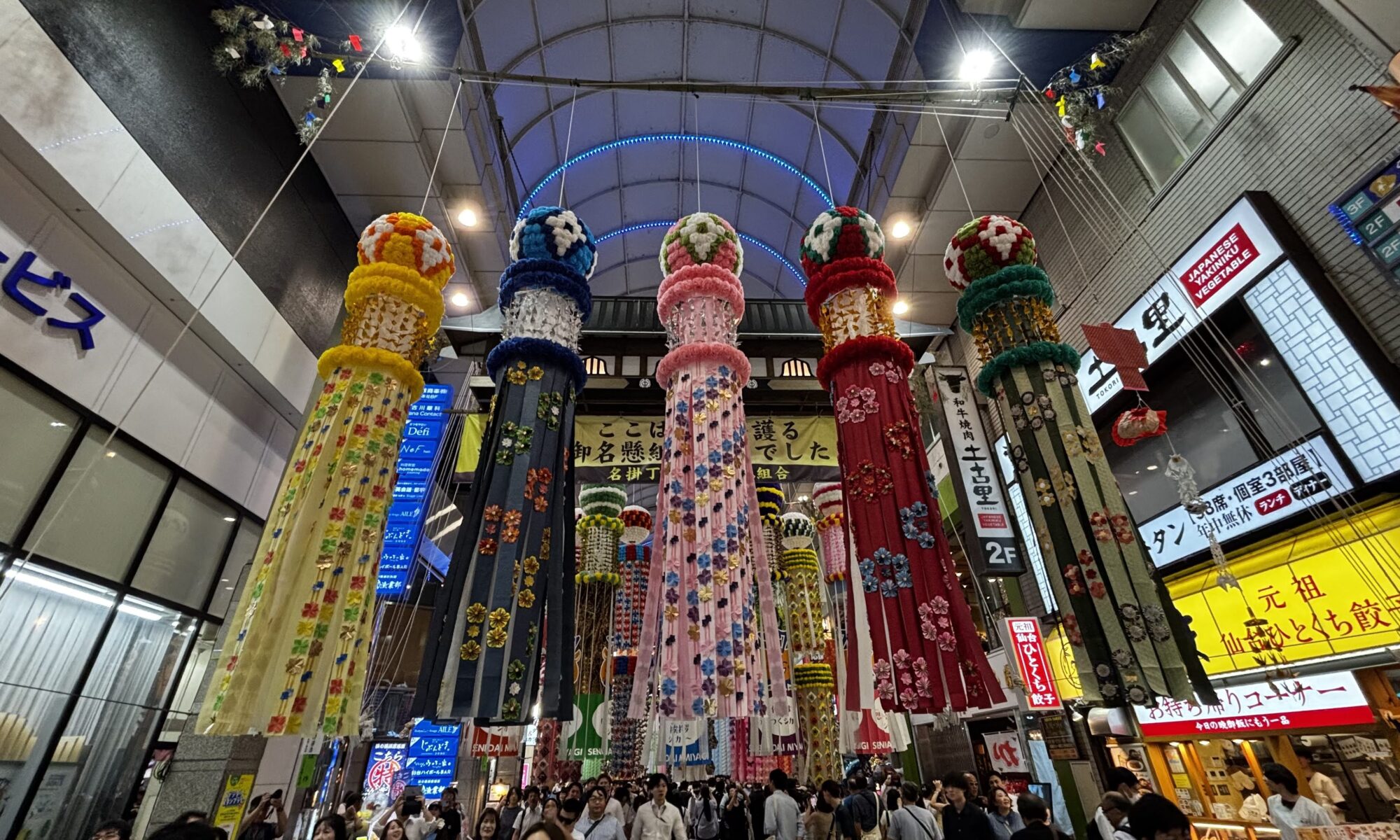
Reaching Sendai at 18:17 on the Tanabata Festival’s final day, after the decorations were said to come down, we found them still up until around 21:00.
What this article covers
- How late the Sendai Tanabata decorations are actually up on the final day (we checked in person)
- Journey time from Tokyo to Sendai on the Hayabusa, with real departure and arrival times
- How the station, our hotel and the festival arcade sit in relation to each other, and how long the walks take
- Sendai food — grilled nodoguro, and a hotel late-night soba (with an allergy warning)
Leaving Tokyo at 16:44, on the Final Afternoon
Our “Tohoku Summer Trip 2025” began in Sendai, the City of Trees.
Sendai is home to the Sendai Tanabata Festival, held every year from 6 to 8 August. The only day we could get there was the last one, Friday 8 August — and everything we could find beforehand said the decorations came down around 6pm.
So why the final day, and why a late-afternoon departure? Because we had spent that morning at Tokyo Big Sight.
We were there for the railway convention we’d been forced to abandon the previous year because of a typhoon — a whole year’s wait, finally repaid. We stayed from 10am until 3pm, tore ourselves away, and hurried to Tokyo Station.
→ Visiting the 2025 Railway Convention | Theme: Freight Trains!
The train we threw ourselves onto was the Hayabusa No. 63, leaving Tokyo at 16:44.
Our journey Hayabusa No. 63, Tokyo 16:44 → Sendai 18:17 (1 hr 33 min, 351.8 km) Seats: Car 8, seats 19D and 19E (reserved)
Which meant that by the time we reached Sendai we were already seventeen minutes past the supposed finish. We spent most of the ride half resigned to missing it, agreeing that we’d run the moment we were off the platform.
The Sendai Tanabata Festival is one of the three great festivals of the Tohoku region, held annually from 6 to 8 August. Enormous handmade streamers fill the shopping arcades, drawing visitors from across the country, and a fireworks display is held on the eve of the festival.
The Festival Had Already Started Inside the Station
Coming through the ticket gates, we rather deflated — in a good way. The station concourse was already full of Tanabata decorations.
Streamers in red, blue and yellow hung from the ceiling, and the Shinkansen gates were framed by festival displays. The atmosphere had reached us before we’d even left the building.
So much for hurrying. We stopped right there.
The Hotel Was Five Minutes from the Station — First, a Wish
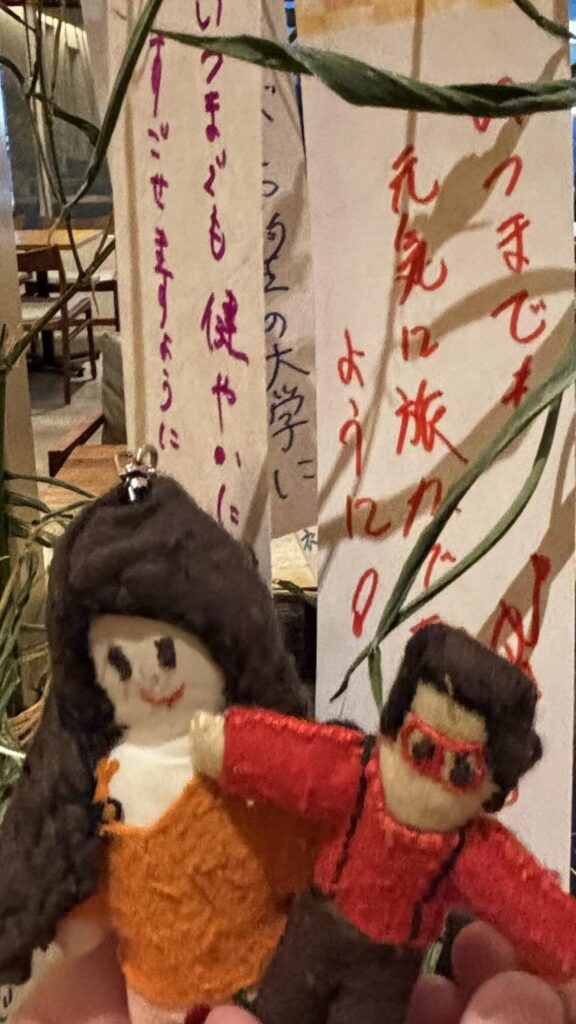
Rather than heading straight for the arcades, we checked in first, at the Richmond Hotel Premier Sendai Ekimae, about a five-minute walk from the station. Carrying luggage through crowded arcades seemed like a poor idea.
The hotel had set up a traditional Tanabata display of its own — bamboo hung with tanzaku, the paper strips you write a wish on. It had probably been decades since either of us last wrote one. We kept it simple and wished for a safe journey.
A hotel that makes something of the season adds more to a trip than you’d expect.
Into the Hapina Nakakecho Arcade — Still Plenty to See at Nearly 7pm
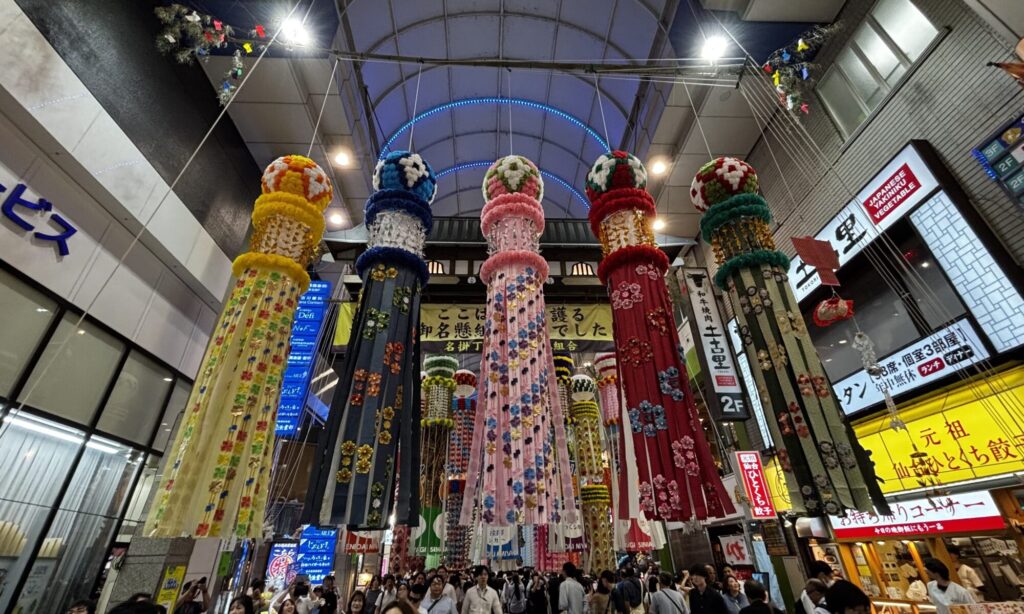
We headed for the Hapina Nakakecho shopping arcade. Walking and looking up at the decorations along the way, it took about ten minutes. By the time we arrived it was nearly 7pm.
A full hour past the “around 6pm” we’d been told. And yet — the decorations were still very much there.
Stepping into the arcade, the streamers fill the space above you entirely. Each one is handmade by an individual shop, and the invention on display is remarkable. Our eyes drifted upwards and our walking pace collapsed. There are so many places you want to photograph that making forward progress becomes difficult.
There were plenty of other visitors, too. Well past 7pm, people were still wandering and taking photographs.
It was only when we walked back to the hotel after dinner that the decorations were finally beginning to come down.
How late can you see them on the final day? (measured on 8 August 2025) From what we saw, the decorations were still fully photographable until around 9pm on the last day — considerably later than the “around 6pm” we’d found beforehand. If you’re arriving on the final evening and thinking of giving up, it’s worth going anyway.
We’d thought of ourselves as “just making it.” In truth there was rather more room than that. We hope that’s useful to anyone else currently panicking about the time.
A few practical notes
- The venue is a covered arcade, so rain isn’t a problem
- Each arcade has its own themes and character
- Evenings are busy — if you want a photograph without people in it, you’ll need patience
Finding Dinner Was the Hard Part
With the decorations seen, we went looking for dinner. This turned out to be the real challenge of the evening.
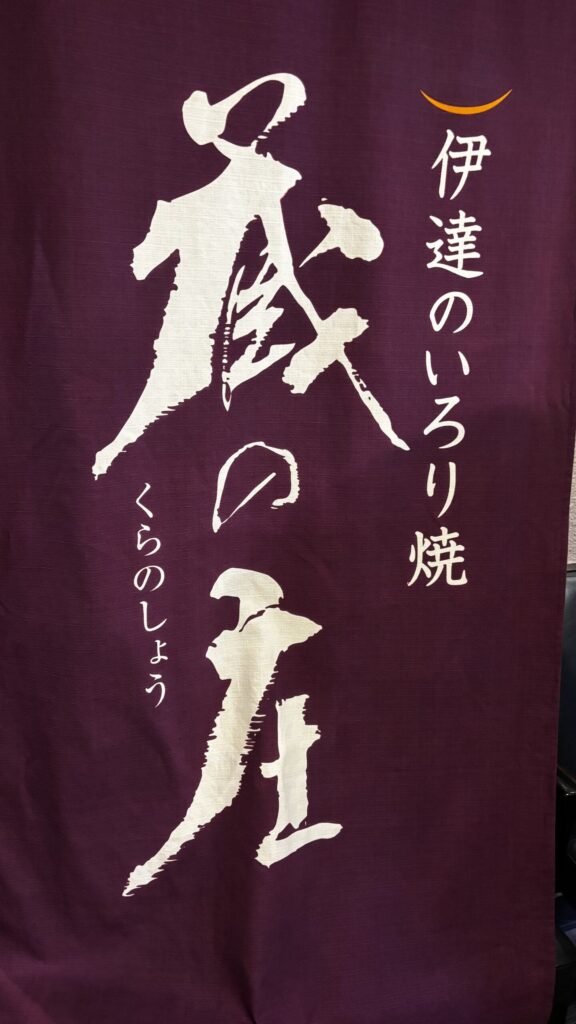
It was the last night of the festival, and every restaurant had a queue. The lines were long enough that we hesitated even at chain restaurants we’d normally walk past. After a hungry circuit of the area, we were drawn in by two characters on a sign — 伊達 (Date), the name of the samurai clan that founded Sendai — and stepped into a place called Kura no Sho (Date no Irori-yaki).
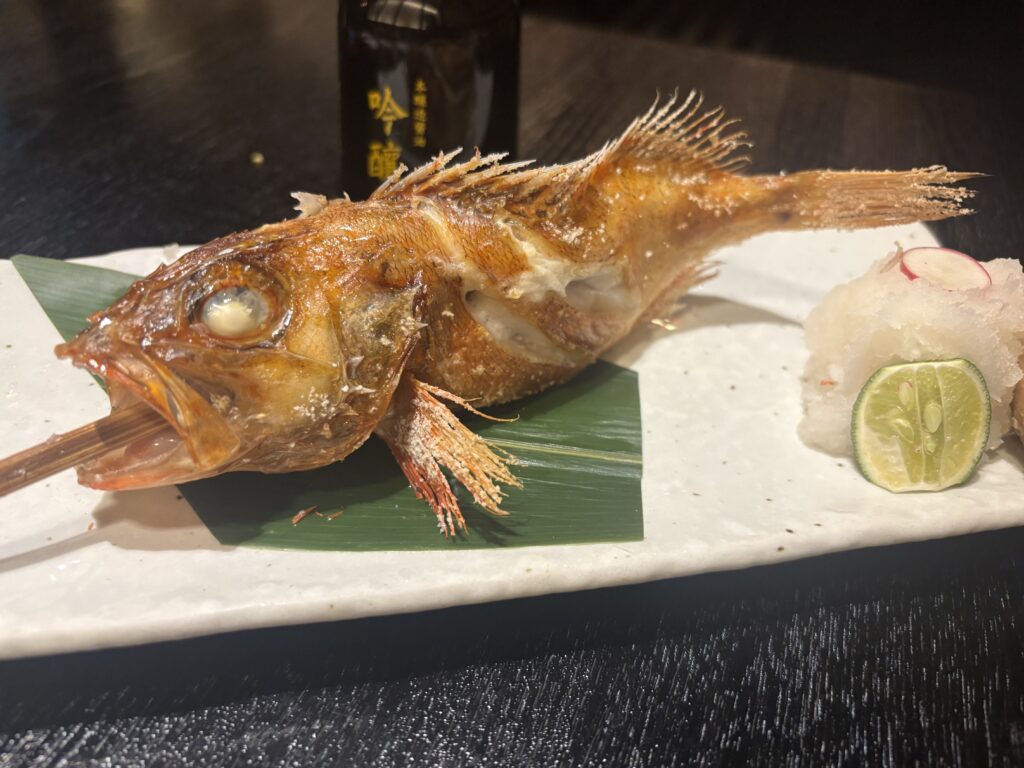
It was the right call. What we found there was grilled nodoguro.
The flesh is rich and falls apart in soft flakes, and the salt was judged perfectly — it dissolves in your mouth. It arrives whole, head to tail, the skin crisped over a charcoal grill. Put your chopsticks in and the flesh simply gives way. We both went quiet for a while.
Nodoguro (blackthroat seaperch) is a prized fish caught mainly along the Sea of Japan coast. It’s so rich that it’s sometimes called “the toro of white fish,” and grilling it with nothing but salt really is the best way to eat it.
Back at the Hotel: Kamo Nanban Soba
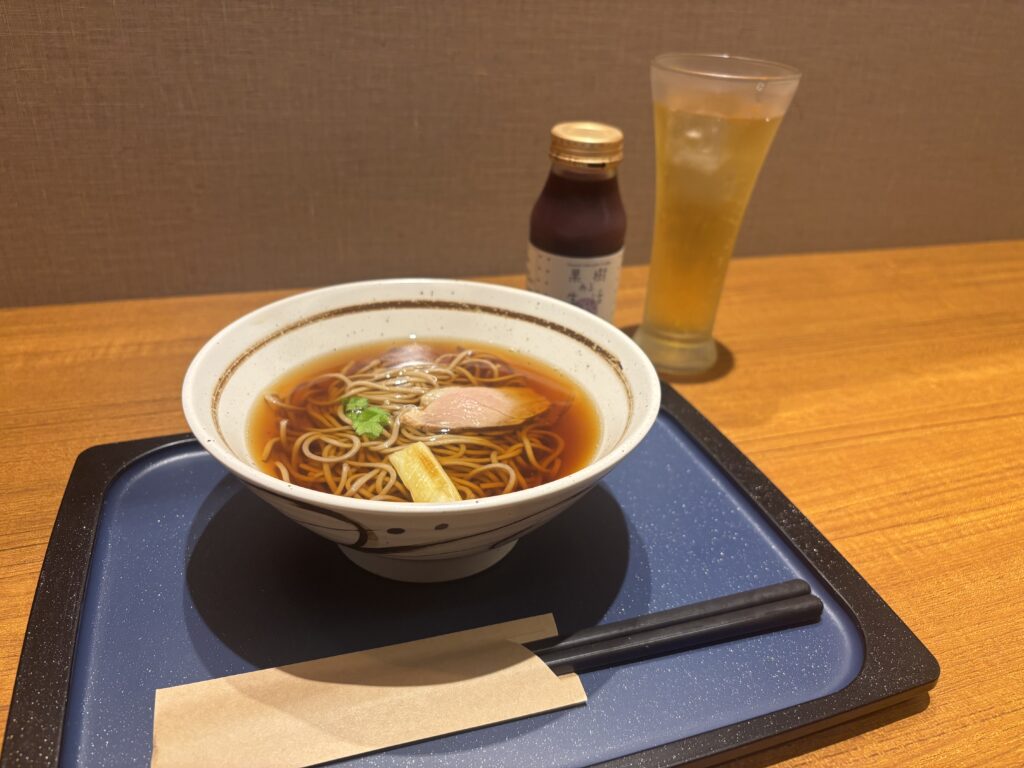
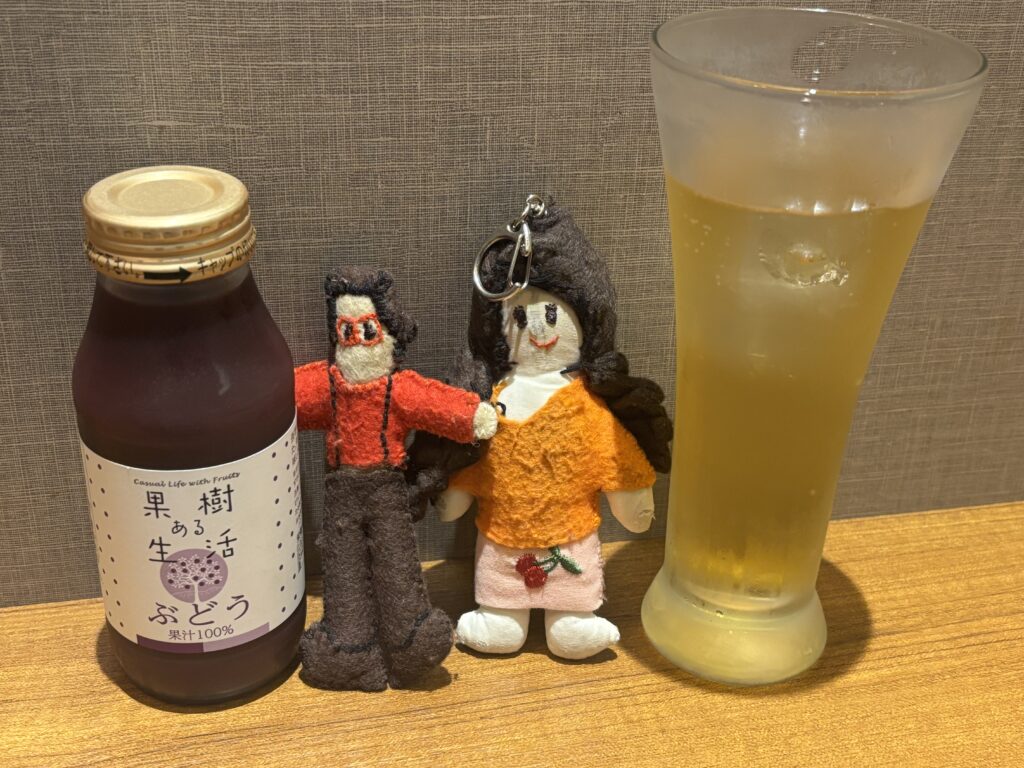
We were, in theory, completely full. Then we got back to the hotel and found the late-night service running. What we were given was kamo nanban soba — duck and leek soba. Not ramen: proper Japanese soba. We worked through the warm broth as the Sendai night wore on.
The Richmond Hotel Premier Sendai Ekimae also offers free soft-serve ice cream and one free alcoholic drink. Between a late-night noodle bowl and dessert, there’s little need to overdo it out in town.
If you have a buckwheat allergy, please read this. Some Japanese hotel chains offer a free late-night noodle service known as yonaki soba, which despite the name is usually ramen — that is, wheat noodles. What we were served here was genuine soba, made from buckwheat. The names are similar; the ingredients are not. Buckwheat allergy can be severe. If it affects you, please check what’s actually being served before accepting it.
The Next Day: North to Kakunodate on the Komachi
Having had our fill of the Sendai evening, we headed further north the following day, boarding the Akita Shinkansen Komachi for Kakunodate.
→ Tohoku Summer Trip 2025 ② | Akita Shinkansen Komachi & Kakunodate
Summary | Arriving on the Final Evening Still Works
| Getting there | Hayabusa No. 63, Tokyo 16:44 → Sendai 18:17 (1 hr 33 min, 351.8 km) |
| Festival dates | 6–8 August, annually |
| Decorations on the final day | Still photographable until around 9pm (confirmed 8 August 2025) |
| Where we stayed | Richmond Hotel Premier Sendai Ekimae, about 5 min from the station |
| Hotel to the arcade | About 10 min on foot to Hapina Nakakecho |
| What to see | Handmade streamers in the arcades; displays inside Sendai Station |
| What to eat | Grilled nodoguro (Kura no Sho); kamo nanban soba at the hotel |
| Hotel extras | Late-night soba, soft-serve ice cream, one free drink |
| Booking note | Rooms go early during the festival — and restaurants queue on the final night |
| Next stop | Kakunodate, by Komachi |
Arriving on the final evening turned out to be perfectly workable. Finishing work and throwing yourself onto a Shinkansen is a more realistic plan than it sounds.