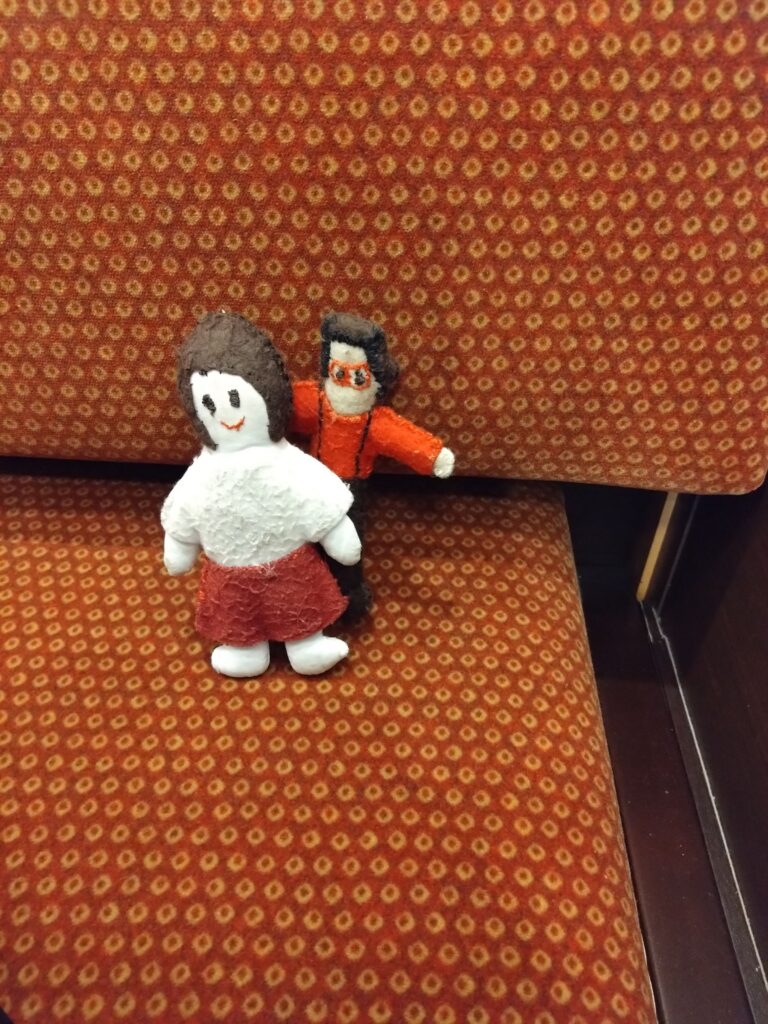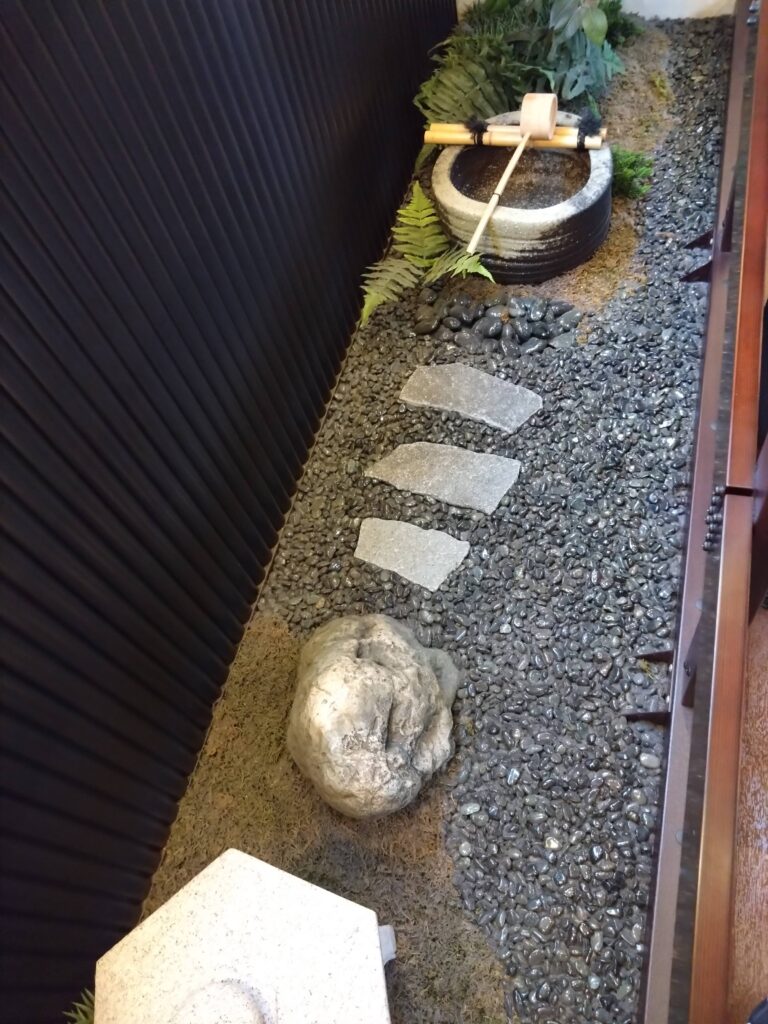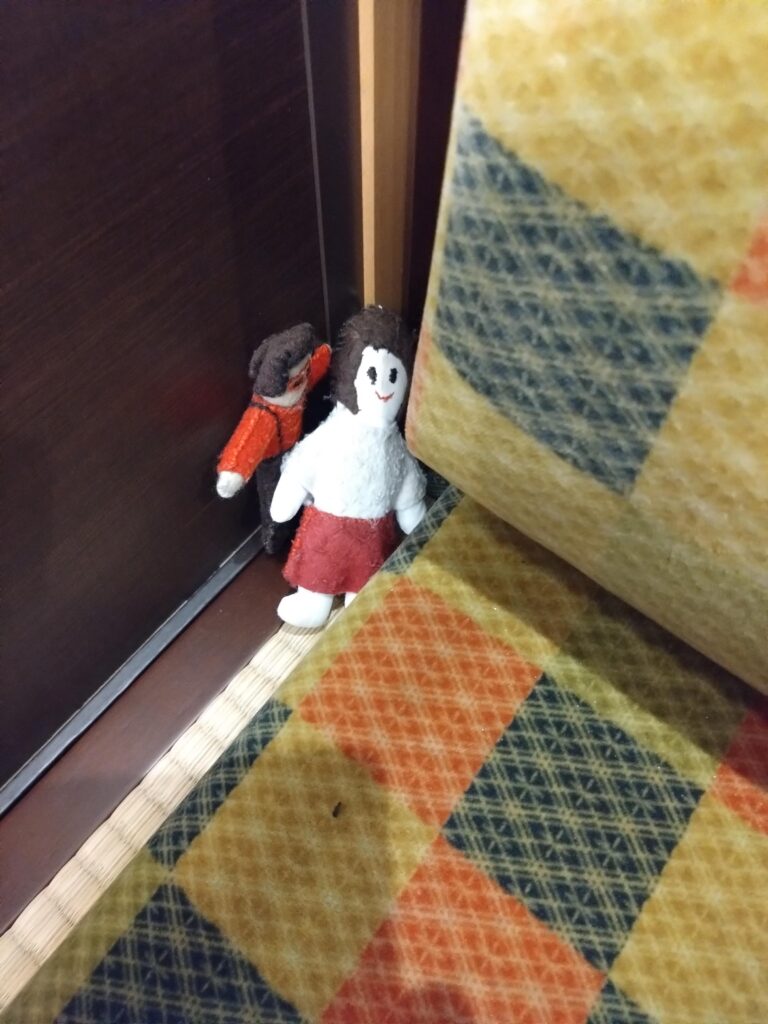
Continue to Tohoku Summer Trip 2025 ②Akita Shinkansen Komachi & Kakunodate | A Complete Guide to the Railway Fan’s Dream Hotel “Flouro Kakunodate”

The Rice Fields of Akita and the Komachi — A View That Takes Your Breath Away

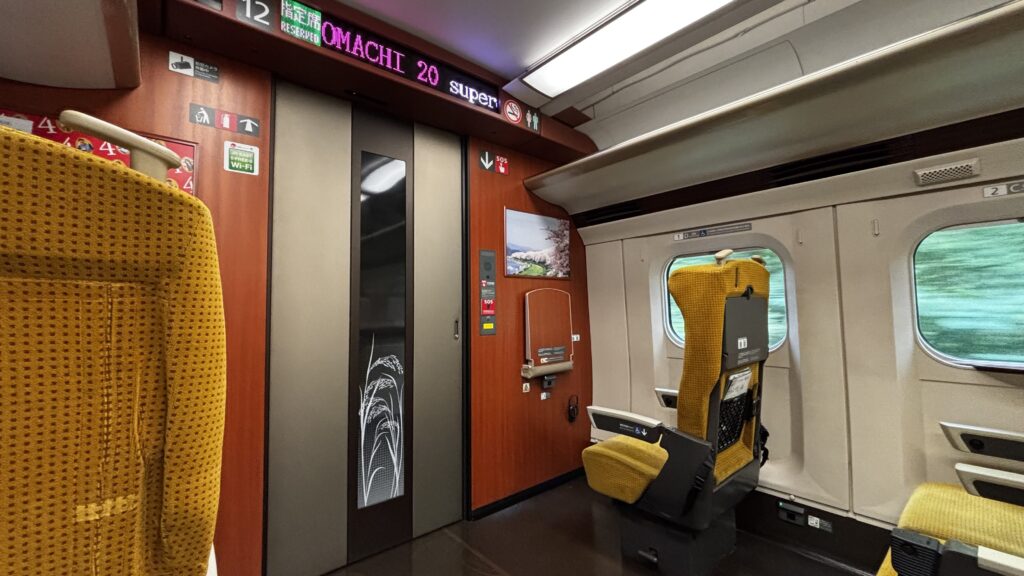
Traveling on the Akita Shinkansen Komachi, the scenery that unfolds outside the window is simply breathtaking — endless rice paddies stretching as far as the eye can see. Akita is the birthplace of the famous Akita Komachi brand of rice, and fittingly, the Komachi train glides gracefully through golden fields of the very crop that shares its name. It’s a view that instantly lifts your travel spirits.

Unlike other Shinkansen lines, the Akita Shinkansen runs on conventional tracks for part of its route, giving it a unique combination of high-speed travel and local, countryside charm — a line that every railway enthusiast should experience at least once.

Destination: Kakunodate | “Flouro Kakunodate” — Just Steps from the Station

Our accommodation for this trip was Flouro Kakunodate, located just a short walk from Kakunodate Station.

But this is no ordinary hotel. For railway fans, it offers something truly special — a Komachi-themed room that is absolutely one of a kind.
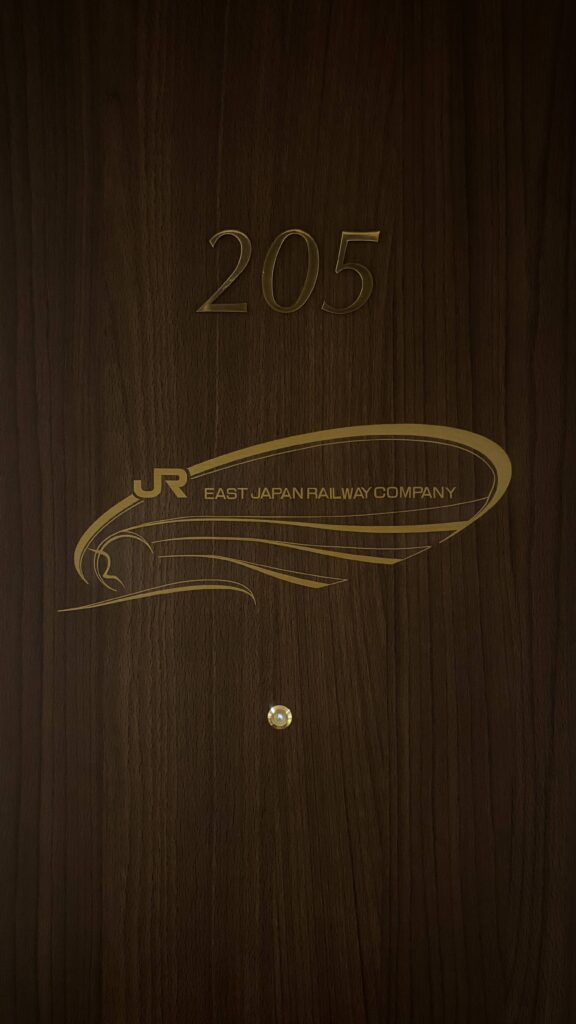
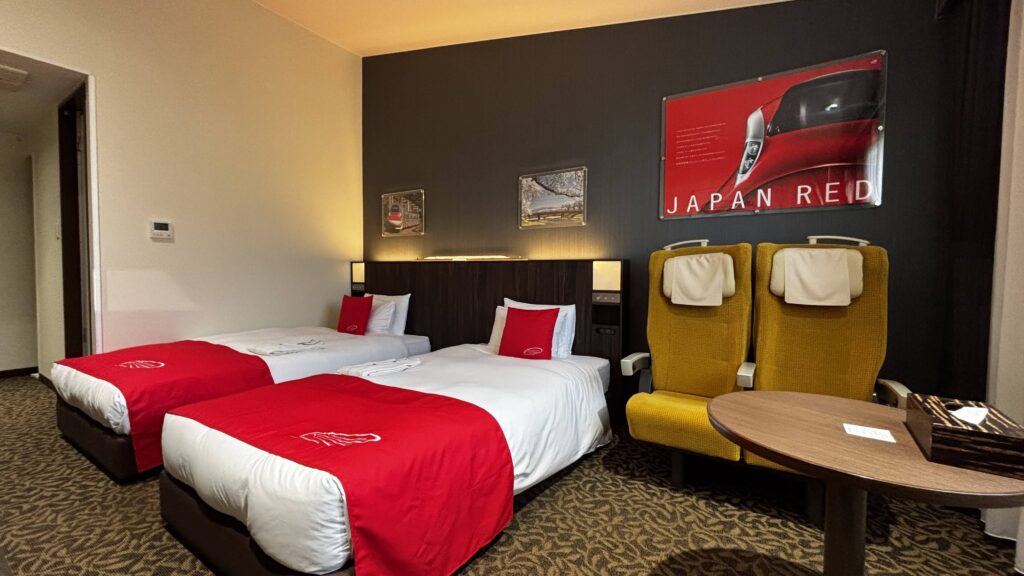
The Door of the Komachi Room Is Something Else

The room door features the Komachi logo and markings, and just walking down the corridor toward your room is enough to set your heart racing. It’s a level of thoughtful detail you simply won’t find in a regular hotel.

The Room Key Is Yours to Keep as a Souvenir!

Even more exciting — the hotel officially allows guests to take their room key home as a souvenir. Laying out the amenities and the room key together for a commemorative photo makes for a travel keepsake that will last a lifetime. It’s little touches like this that make a trip truly unforgettable.
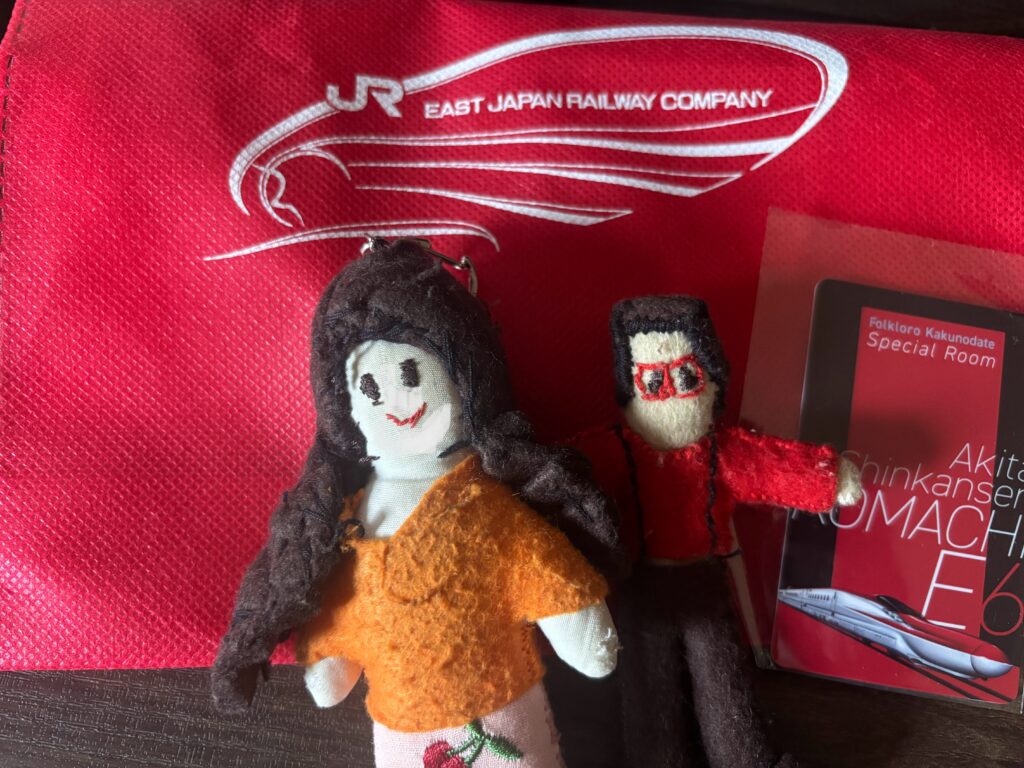

A Front-Row Seat for the Komachi — Right from Your Room!

And the highlight of the stay? The view from the window.

Looking out from the room, Kakunodate Station spreads out before you, and you can watch the Komachi train pull in and out of the station — from the comfort of your own bed. It’s a railway fan’s dream come true, and a view that only guests of this very special hotel get to enjoy.

What exactly does it look like? That’s for you to discover when you stay — it’s a secret worth keeping!


Who Is Flouro Kakunodate Perfect For?

  • Fans of the Akita Shinkansen Komachi
  • Travelers looking to explore Kakunodate’s samurai district and cherry blossoms
  • Anyone wanting a unique railway-themed hotel experience
  • Those seeking a truly special and memorable travel memory

Kakunodate is especially popular during cherry blossom season (late April) and autumn foliage season (October), when accommodation fills up very quickly. Early booking is strongly recommended!


Summary | Flouro Kakunodate Is a Must for Railway Fans Visiting Tohoku

ItemDetails
LocationShort walk from Kakunodate Station
Best FeatureKomachi-themed room with train logo on the door
Special PerkRoom key to take home as a souvenir
ViewKomachi trains arriving and departing — from your room!
Best ForRailway fans, Tohoku travelers, couples, families

This was truly one of the most memorable hotel stays we’ve ever had. If you’re planning a trip on the Akita Shinkansen Komachi, make Flouro Kakunodate your base — you won’t regret it!


▶ More Tohoku railway travel reports → 【Internal Link】
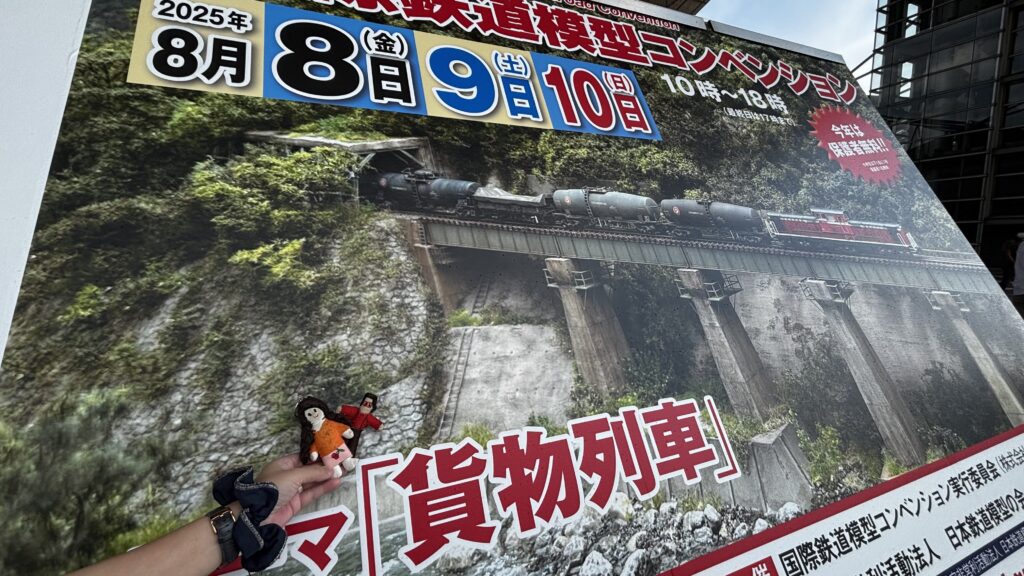
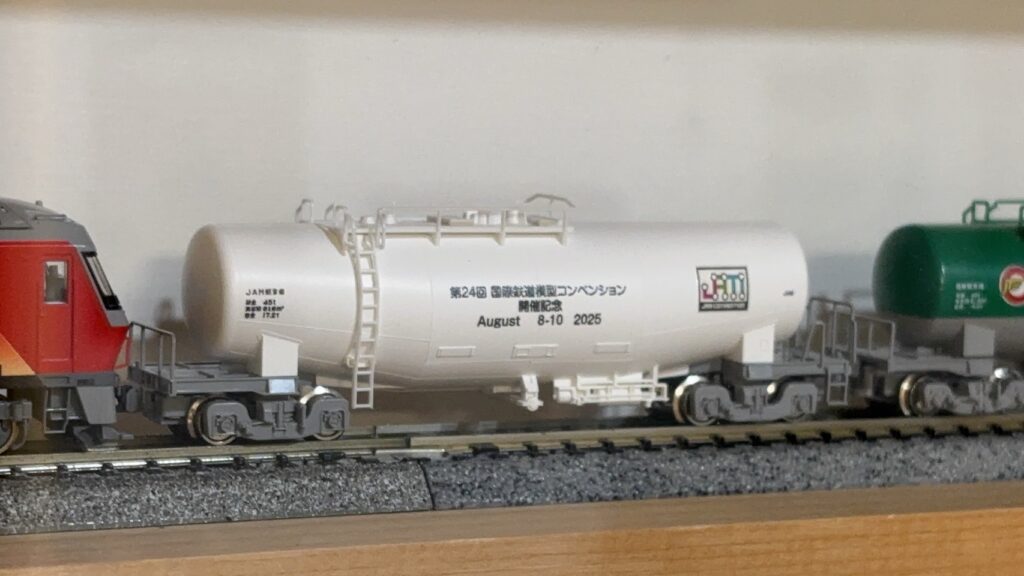
Visiting the 2025 Railway Convention | Theme: Freight Trains! Experiencing the True Depth of Railway Enthusiasm at Tokyo Big Sight

Redemption at Last — This Year, We Finally Made It!

Last year, a typhoon forced us to reluctantly cancel our plans for the Railway Convention. This year’s theme? “Freight Trains!” There was absolutely no way we were missing it — the Mascots were fired up and ready as we made our way into Tokyo Big Sight.

We grabbed some souvenirs the moment we walked through the door, and got a commemorative photo with Aimee lined up beside us. Mission accomplished before we even reached the exhibits! (laughs)

What is the Railway Convention? A major event bringing together railway models, goods, and exhibitions — a must-attend gathering for railway enthusiasts from across Japan. Held at Tokyo Big Sight, it’s an event by railway fans, for railway fans, with the focus firmly on display and community rather than sales.


Getting to Tokyo Big Sight

Access to the venue is straightforward and convenient.

By Train

  • Yurikamome Line: 3-minute walk from Kokusai-Tenjijo-Seimom Station
  • Rinkai Line: 7-minute walk from Kokusai-Tenjijo Station

When Is It Held? The Railway Convention takes place once a year. Keep an eye on the official website and social media for announcements about dates and details.

So Many Types of Railway Fans! Overwhelmed by the Depth of the Hobby

Stepping into the venue, the vast floor of Tokyo Big Sight was packed wall-to-wall with railway-related displays.

What struck us most was the sheer diversity. “Railway fan” turns out to be an umbrella term covering a remarkable range of passions:

  • Shinkansen enthusiasts — collecting models and materials on every generation of bullet train
  • Steam locomotive devotees — deeply passionate about the mechanics and history of SL trains
  • Tram fans — dedicated to the charming tram networks found across Japan
  • Freight train followers — exploring the overlooked world of cargo rail
  • Station building admirers — visiting and documenting unique station architecture nationwide

Rather than a sales event, the atmosphere was that of an exhibition that goes far beyond the level of a hobby — you could feel the love and dedication radiating from every display. This was a place where the true depth of the railway enthusiast’s world could be felt in person.


Rediscovering the Appeal of Freight Trains — This Year’s Theme

This year’s theme was “Freight Trains” — a side of railway culture that doesn’t always get the spotlight it deserves. Yet freight trains are the unsung heroes of Japan’s logistics network.

Freight Train Fun Facts

  • JR Freight operates cargo services across Japan’s rail network
  • Types include container trains, tank wagons, and vehicle transport trains
  • Many freight trains run late at night or in the early hours — making them rare and exciting targets for railway photographers

Thanks to this convention, we discovered a whole new dimension to enjoying railways — the world of freight!


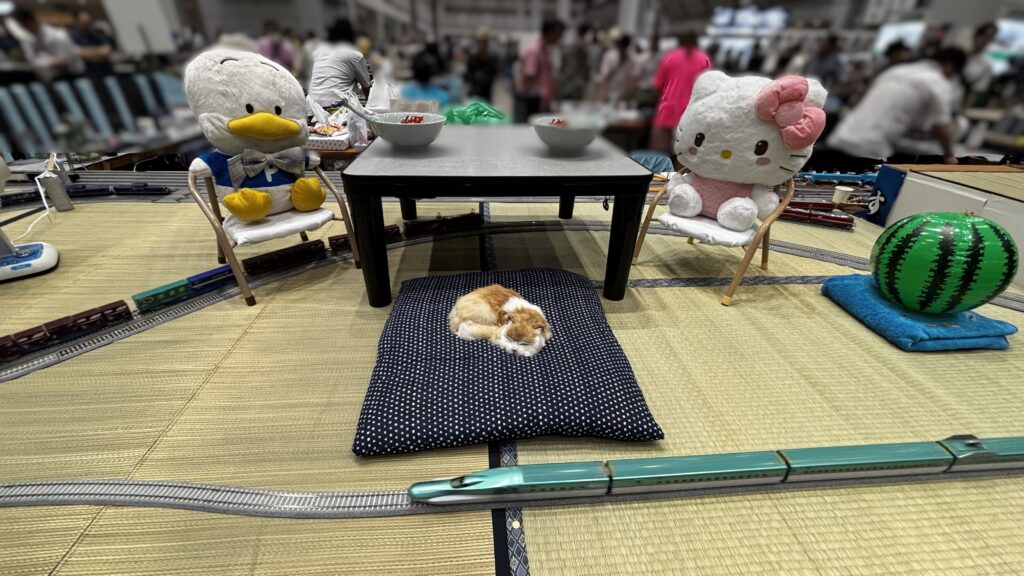
The Exhibit We Loved Most: The Real “Ozashiki Train”!

Among all the displays, the one that captured the Mascots’ hearts completely was this one.

A “tatami room train” — a miniature layout built on a traditional Japanese tatami mat, with freight trains and limited express vehicles running across it.

There’s something wonderfully heartwarming about watching tiny trains glide across a tatami floor. You could almost picture the joy of the person who put it together — every detail spoke of genuine affection for the hobby.

It was a moment that reminded us: there are no rules when it comes to enjoying model trains. Intricate dioramas, humorous displays — the freedom of expression is exactly what makes this world so endlessly fascinating.

“Ozashiki Train” traditionally refers to a tourist train with a Japanese-style tatami interior. But this display offered a wonderfully playful reinterpretation — running models on top of a tatami mat. Pure creative genius!

The Beautiful Diversity of “Loving Something”

The most lasting impression from this year’s convention wasn’t any single exhibit — it was the remarkable diversity of the people who love railways.

People meticulously crafting intricate models. People whose joy comes purely from watching trains run. Photographers. Collectors. Historians. All united by a shared love of railways, yet each finding their own completely unique way to express it.

With freight trains as the theme, we also gained a new appreciation for a corner of railway culture that rarely gets its moment in the sun. Broadening your gaze beyond the trains you ride to include the ones that keep Japan moving — it opens up a whole new world of railway enjoyment.


Thinking About Starting Model Trains?

After walking through the convention, it’s hard not to feel inspired to try model railways yourself! For beginners, N gauge is the recommended starting point.

Why N Gauge?

  • Compact size — doesn’t take up much space
  • Wide price range — accessible for beginners
  • Huge variety of vehicles available
  • Highly expandable — you can grow your layout gradually


Summary | The Railway Convention Is a Must for Every Railway Fan

ItemDetails
Event NameRailway Convention 2025
VenueTokyo Big Sight
This Year’s ThemeFreight Trains
Access3-min walk from Kokusai-Tenjijo-Seimom Station (Yurikamome)
HighlightsDisplays that go far beyond hobby level
Top ExhibitThe tatami-mat train layout
Recommended ForRailway fans, model enthusiasts, families

This year’s convention — our long-awaited redemption visit — exceeded every expectation. The depth of passion in the railway community, and the sheer joy of people sharing what they love, made for an unforgettable experience. We can’t wait to see what theme next year’s convention will bring!

When planning your visit, consider combining it with a broader Tokyo sightseeing trip for the most rewarding experience.

Summer Trip Starts at Nagoya Station! Surprising Facts About Shirasagi No.1 & a Last-Minute Route Change Thanks to a Typhoon

The Summer Adventure Begins — Early Morning at Nagoya Station

The day before our main summer trip, we set off from Nagoya Station in the early morning. Our first train: the Limited Express Shirasagi No. 1.

“If it’s No. 1, it must be the first departure of the day, right?” — well, not quite. It turned out the train had already made one run as a “Liner” service before becoming Shirasagi No. 1! We boarded the freshly prepared train and headed for Tsuruga, gliding along the shores of Lake Biwa.

The Limited Express Shirasagi is operated jointly by JR West and JR Central, connecting Nagoya and Maibara with Kanazawa and Toyama. The scenic route along Lake Biwa is one of its most popular features.

👉【Affiliate Link: Rakuten Travel — Kanazawa accommodations search】


Flipping the Seats at Maibara — A Rare Experience These Days

At Maibara Station, the train reverses direction — which means passengers flip their own seats to face the new direction of travel. It’s a familiar sight on local rapid trains, but a surprisingly rare experience on a limited express.

The Mascots had never done it before and were absolutely delighted.

The reason seat-flipping is necessary here is that Shirasagi operates a switchback at Maibara, reversing its direction of travel. Little moments like this are part of what makes train travel so special.


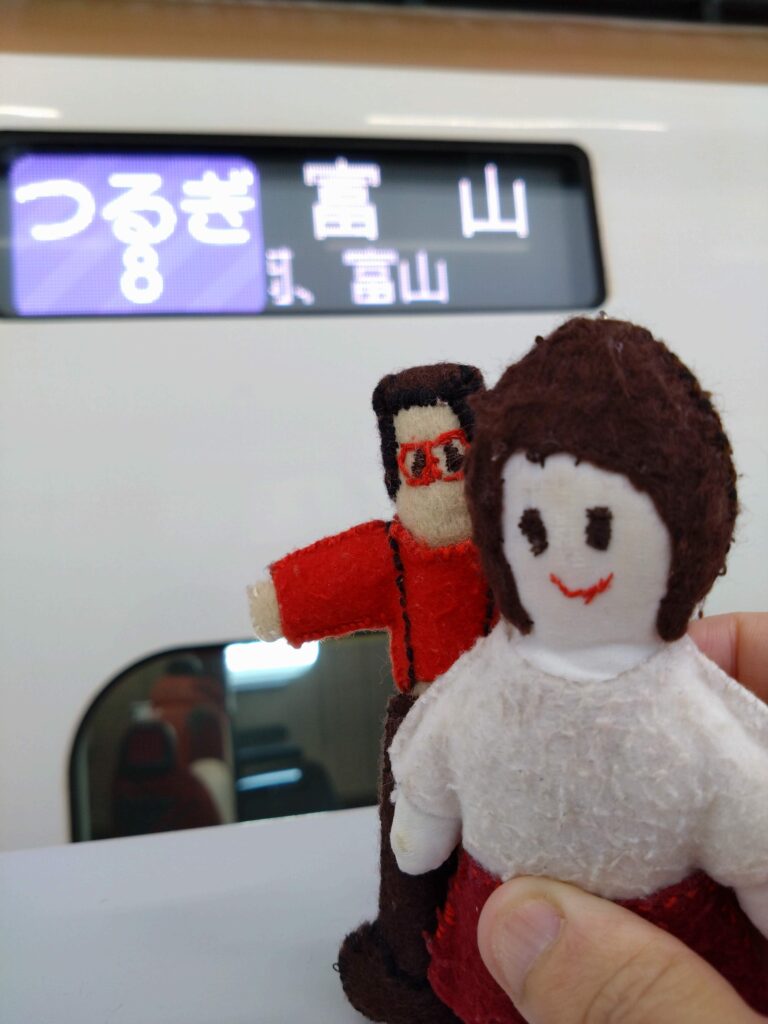
Transferring to Tsurugi No. 8 at Tsuruga — Onward to Kanazawa!

At Tsuruga Station, we transferred to the Hokuriku Shinkansen Tsurugi No. 8 and arrived at our first destination: Kanazawa!

Tsurugi is a Hokuriku Shinkansen service connecting Fukui and Tsuruga with Toyama. It was introduced as part of the Hokuriku Shinkansen extension that opened in 2024.

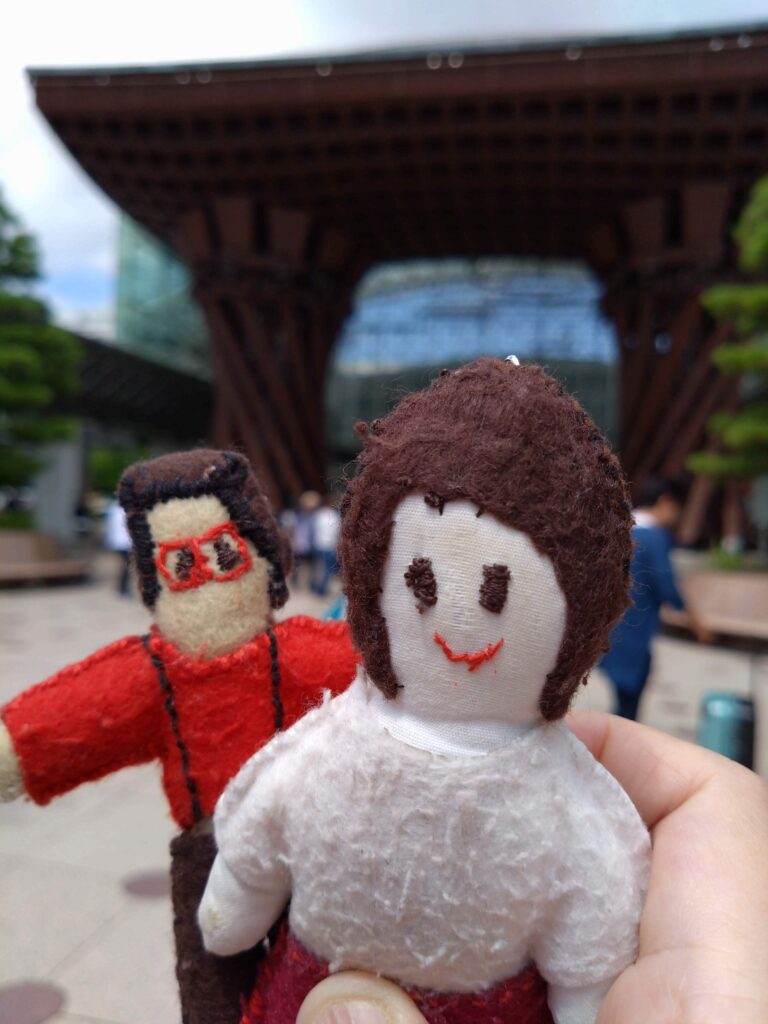
Making the Most of Kanazawa — Gold Leaf, Shio-pan & Kanazawa Castle

Kanazawa packed in an incredible amount of experiences.

Gold Leaf Application Experience
Kanazawa is famous for its gold leaf, and we got to try our hand at applying it ourselves under the guidance of a skilled craftsperson. It requires a surprising amount of concentration — but the sense of achievement when you finish is something else entirely.

Discovering the Famous “Shio-pan”
We stumbled upon Kanazawa’s beloved shio-pan (salt bread). Simple yet perfectly seasoned, it was so good we ended up buying extra to take home as souvenirs.

Kanazawa Castle
We also visited the historic Kanazawa Castle, taking in the stunning contrast of stone walls and white-plastered towers against the bright summer sky.

The area around Kanazawa Castle is also home to Kenroku-en, one of Japan’s three great gardens, celebrated for its beautiful landscaping. With gold leaf experiences, local food, and historic sights all within walking distance of each other, half a day is enough to pack in a wonderfully rich taste of what Kanazawa has to offer.

Typhoon Alert — Emergency Meeting and a Major Route Change!

Then came the news: a typhoon was approaching the following day. We held an emergency meeting to completely rethink our original plan to head for Omiya.

After some lively discussion, the verdict was in:

“Let’s eat Hida beef, enjoy fresh seafood in Toyama, and switch to a Takayama → Nagoya route!”

A classic Mascots-style pivot — turning a crisis into an opportunity (laughs).

Revised Itinerary:
Kanazawa → Toyama (by Hakutaka) → Takayama (by Limited Express Hida) → Nagoya

👉【Affiliate Link: Rakuten Travel — Kanazawa sightseeing plan search】


The Trains We Rode on the New Route

Hakutaka
We took the Hokuriku Shinkansen from Kanazawa to Toyama. Toyama Bay seafood is famous across Japan — white shrimp, firefly squid, yellowtail, and nodoguro (blackthroat seaperch) are just some of the highlights. Whether at the market or a casual diner near the station, you can enjoy world-class seafood at surprisingly reasonable prices. If the typhoon hadn’t forced our route change, we never would have had this food experience — and we found ourselves secretly grateful for the storm (laughs).

Limited Express Hida
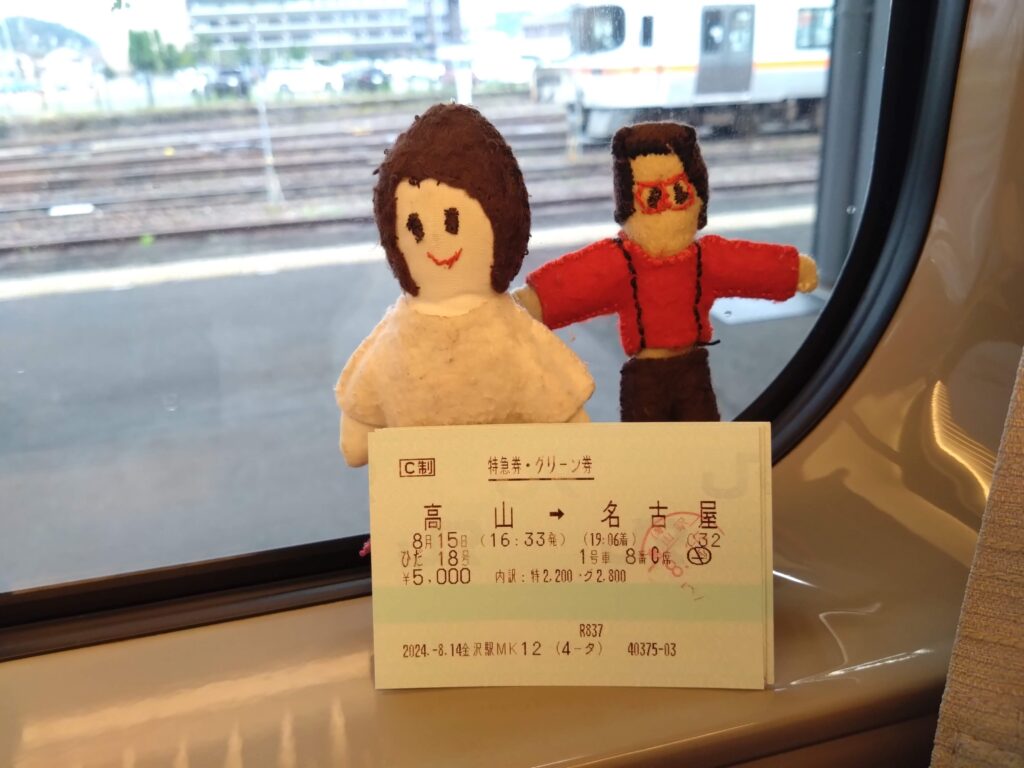
After a feast of Hida beef, we boarded the Hida from Toyama and Takayama, heading back to Nagoya.

The Limited Express Hida is operated by JR Central, connecting Nagoya with Hida-Takayama and Toyama. The sweeping mountain scenery of the Hida region visible from the window is one of its greatest attractions.


Summary: Four Trains in One Day — A Packed and Unforgettable Pre-Trip

TrainRoute
Shirasagi No. 1Nagoya → Tsuruga
Tsurugi No. 8Tsuruga → Kanazawa
HakutakaKanazawa → Toyama
Limited Express HidaToyama / Takayama → Nagoya

A typhoon disrupted our plans — but it also opened the door to Hida beef and Toyama’s incredible seafood. Sometimes the best travel memories come from the moments that don’t go according to plan!

For the full story of what happened on the typhoon day itself, check out the next article👇

▶ Continue to the Typhoon Day travel report → 【Internal Link】
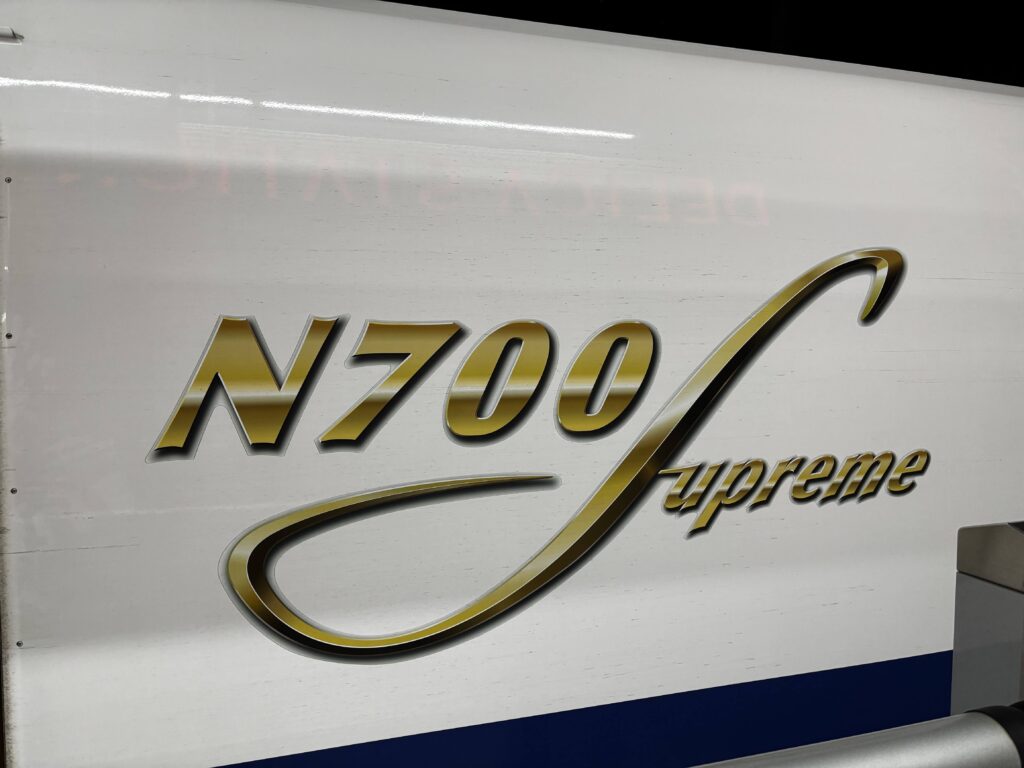
Taking the Thunderbird from Osaka to Kyoto! A Holiday Day Trip to the Kyoto Railway Museum

Why Take the Thunderbird from Osaka to Kyoto?

You can easily get from Osaka to Kyoto in under an hour on a regular train. But this time, we deliberately chose the Limited Express Thunderbird!

The Mascots insisted — “We want to ride this one!” (laughs). Taking a Tsuruga-bound limited express just to get off in Kyoto might sound a little over the top — but we noticed quite a few foreign tourists doing exactly the same thing, which just goes to show how popular the Thunderbird really is.

The Limited Express Thunderbird is operated by JR West, running between Osaka and Tsuruga. Even after the Hokuriku Shinkansen extension opened in 2024, it remains one of the most popular limited express trains in the region. The Osaka–Kyoto leg takes just about 15 minutes — over before you know it!

The Thrill of Traveling by Limited Express — Even on a Short Hop

Taking the Thunderbird for a journey you could easily make on a regular train — that little choice alone makes the whole trip feel more special. Settled into the calm atmosphere of the Green Car, coffee in hand, gazing out the window… 15 minutes suddenly feels far too short.

During holiday periods, even the unreserved carriages fill up quickly on the Thunderbird. Reserved seats and Green Car seats are best booked in advance. Keep an eye on “Ekinet” and “e5489” for discounted early-bird tickets — if your plans are set, booking early is always the smart move.

Kyoto in the Blink of an Eye — Straight to the Railway Museum!

We’d barely settled into our seats on the Thunderbird when Kyoto Station appeared (laughs). From there, we headed straight to the Kyoto Railway Museum.

The museum is about a 20-minute walk from Kyoto Station, or easily accessible by local bus.


A Packed Museum — So Much to See!

The museum is full of exhibits that railway fans will love — but it’s genuinely enjoyable for everyone, even those who don’t know much about trains.

Main Highlights at the Kyoto Railway Museum:

  • Real vehicle displays (53 vehicles including steam locomotives, Shinkansen, and conventional trains)
  • Train driving simulator experience
  • SL Steam Train ride
  • Railway diorama demonstrations

During holiday periods, the museum gets busy — buying your entry ticket in advance is strongly recommended.

Basic Information

ItemDetails
Opening Hours10:00–17:30 (last entry 17:00)
ClosedWednesdays (or the following day if Wednesday is a public holiday)
AdmissionAdults ¥1,500 / University & High School Students ¥1,300 / Junior & Elementary School Students ¥500 / Children aged 3+ ¥200

The museum is packed with exhibits that railway fans and casual visitors alike will thoroughly The Mascots’ Favourite: The SL Steam Train Ride!

Of everything we saw and did, the one thing that got the Mascots most excited was the SL Steam Train ride — an experience where you actually board a passenger carriage pulled by a real steam locomotive. It’s a short ride, but being pulled by a genuine working steam engine is the kind of thrill that gets adults and children equally giddy.

A numbered ticket is required for the ride, so head straight for the ticket booth as soon as you arrive. And don’t miss the outdoor roundhouse, where rows of historic vehicles that once served on real routes are lined up in an impressive display. Any railway fan will find themselves rooted to the spot.

Finishing with a Souvenir Baumkuchen

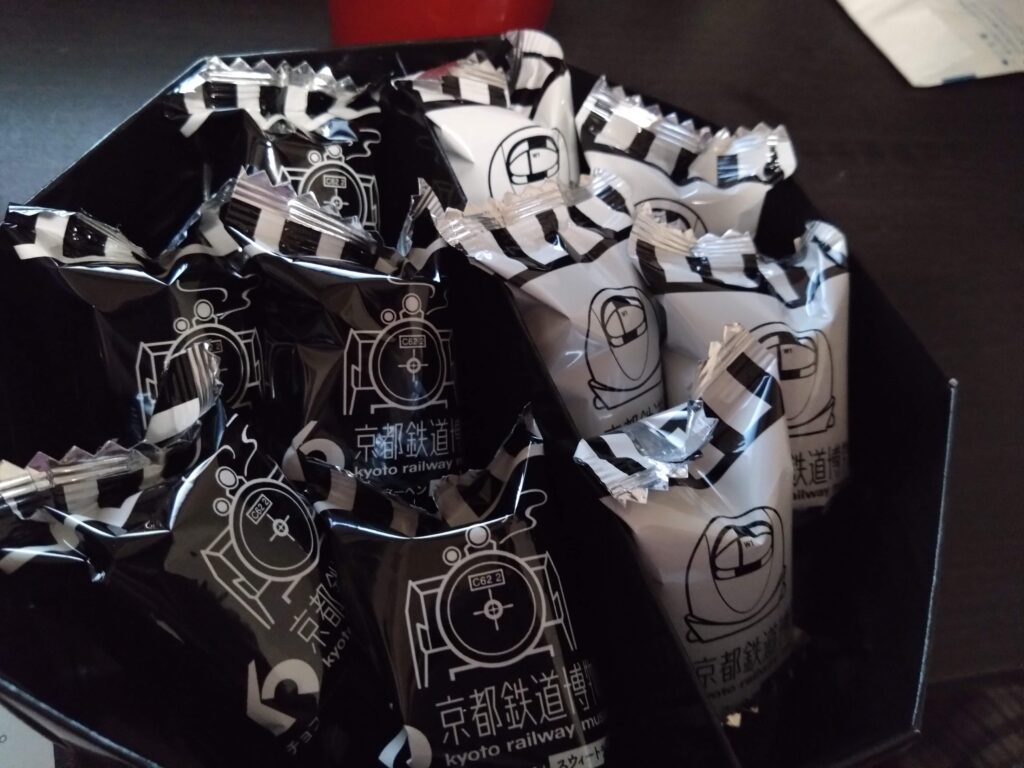
After a thoroughly satisfying visit to the museum, we stopped by the museum shop for souvenirs. Our pick: the Kyoto Railway Museum’s original Baumkuchen!

The packaging features adorable railway motifs — almost too cute to unwrap. But of course, we enjoyed every bite (laughs).

Beyond railway goods, the museum shop also stocks sweet treats and food souvenirs — and that’s one of the things that makes the Kyoto Railway Museum so enjoyable for everyone.


The adorably railway-themed packaging was almost too cute to open — but we managed (laughs). And it was absolutely delicious. The museum shop isn’t just about railway goods — the range of sweets and food souvenirs is one of the hidden highlights of a visit!


Suggested Day Trip Itinerary for a Holiday

TimeActivity
MorningTake the Thunderbird from Osaka to Kyoto (approx. 15 min)
Morning–AfternoonExplore the Kyoto Railway Museum (approx. 2–3 hours)
AfternoonBrowse the museum shop for souvenirs
EveningDinner near Kyoto Station → Return to Osaka

Summary | Taking the Thunderbird to Kyoto — That’s the Joy of Railway Travel!

ItemDetails
TransportLimited Express Thunderbird (Osaka–Kyoto, approx. 15 min)
DestinationKyoto Railway Museum
Why We Recommend ItPerfect for a holiday day trip!
SouvenirThe original Baumkuchen is a must-buy!

Taking the limited express to a destination you could easily reach by local train — that’s the real pleasure of railway travel. Add this to your holiday plans and give it a try!

Can You Guess Where This Is? The Linear Railway Museum in Nagoya — A Must-Visit for Railway Fans!

Only a True Fan Would Know This Place!

Here’s a little quiz for you — do you know where this is?

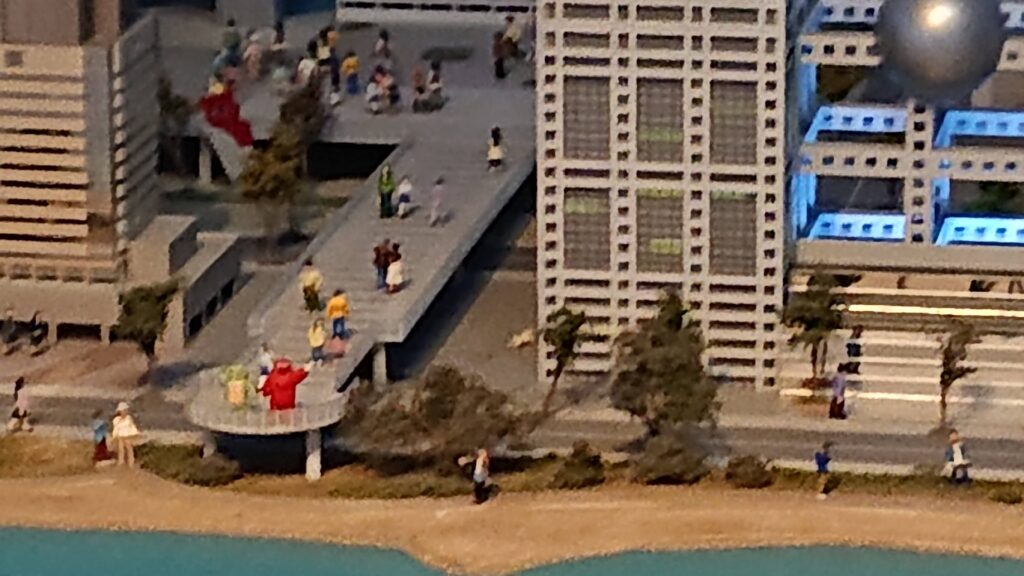
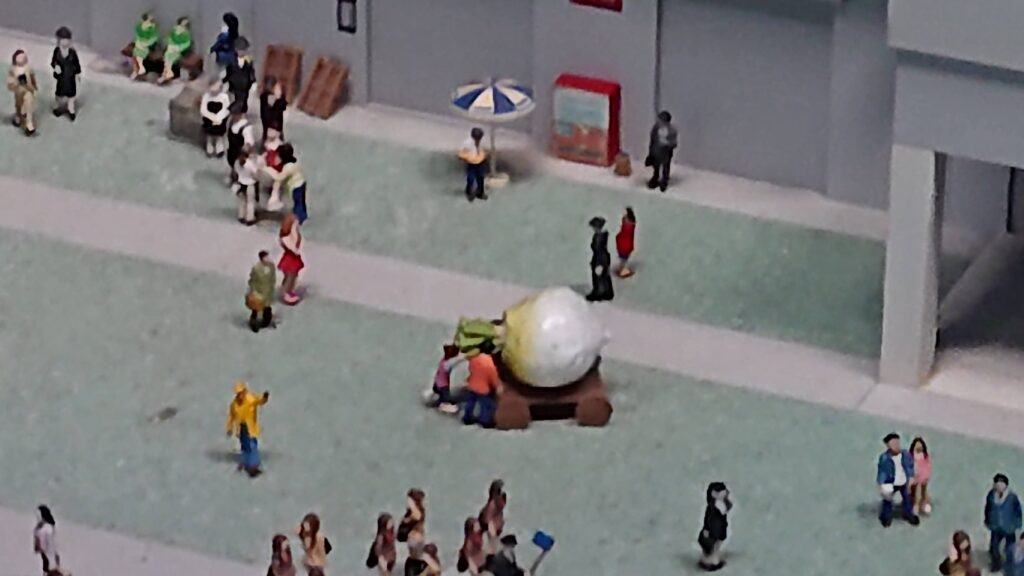
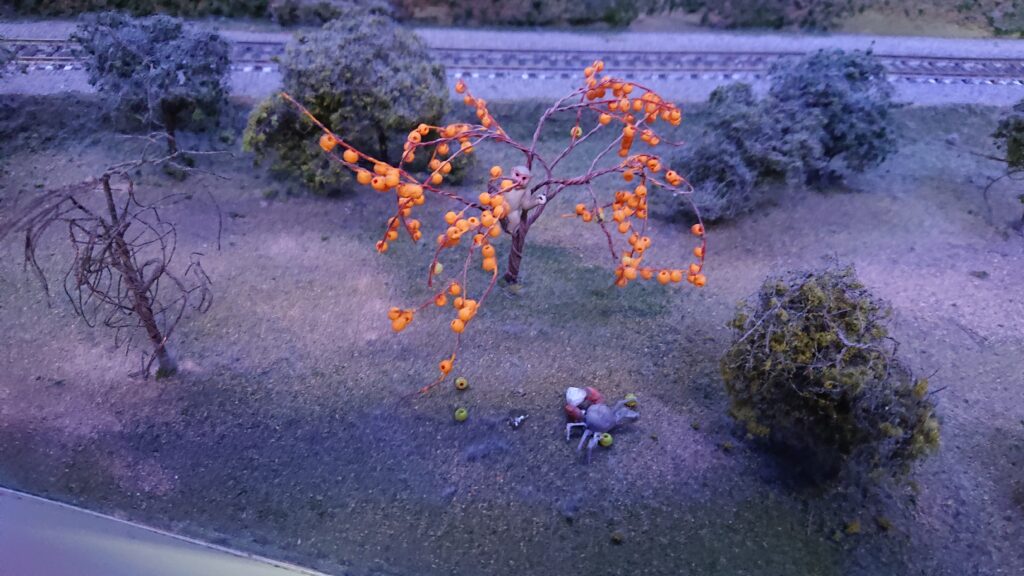
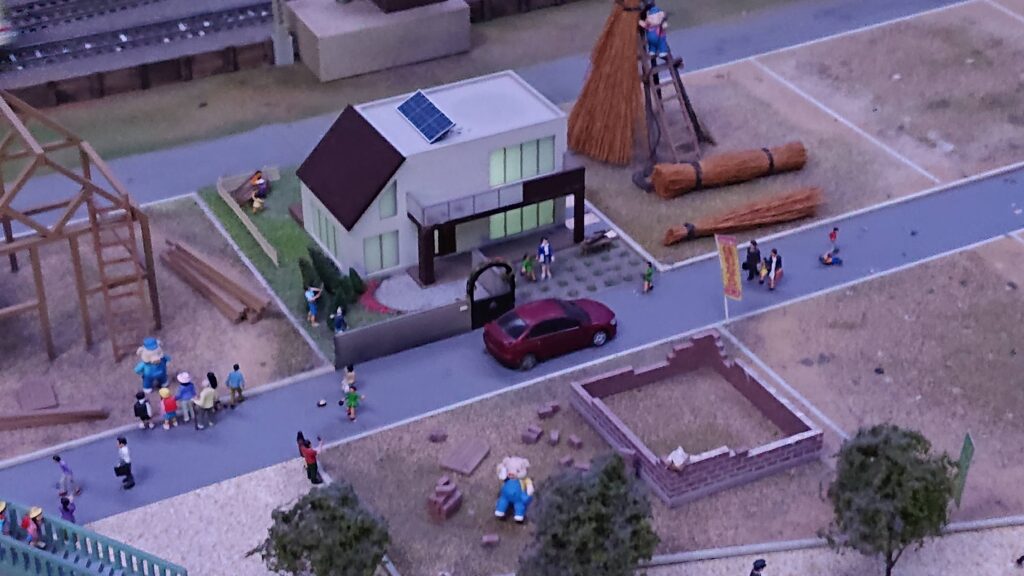
A place where Gachapin and Mukku are waving hello… and for some reason, a giant turnip makes an appearance. “Wait — a turnip?!” We had to do a double-take (laughs).

A Space Straight Out of a Fairy Tale

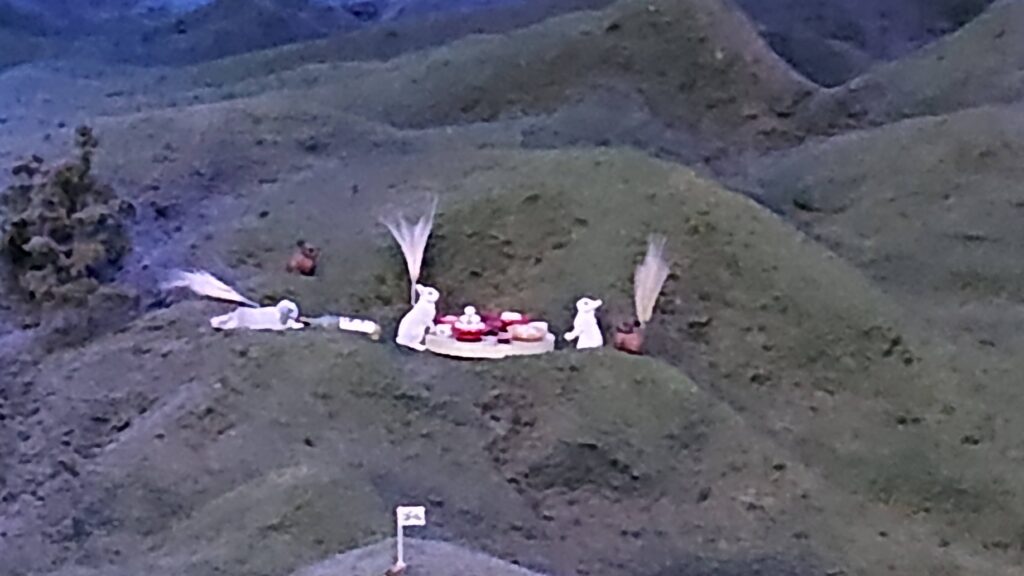
Look a little closer and you’ll find fairy tale worlds tucked away throughout the space:

  • Snow White
  • Moon-viewing (Otsukimi)
  • The Three Little Pigs
  • The Crab and the Monkey (Saru Kani Gassen)

This wonderfully quirky world is absolutely irresistible, isn’t it? It’s the kind of place that keeps drawing you back for more.


The Answer Is… The Linear Railway Museum!

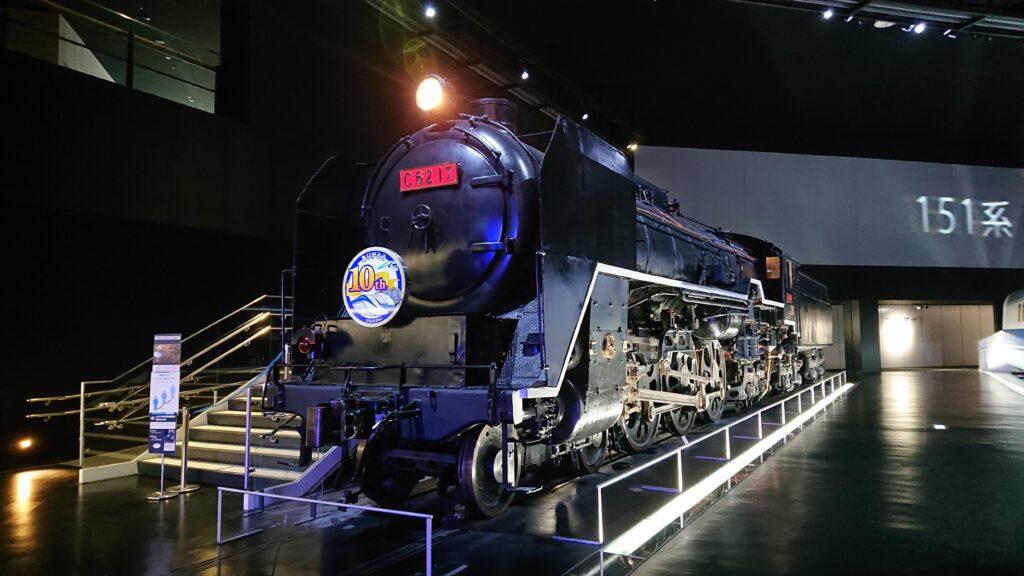
That’s right — this is the Linear Railway Museum (リニア・鉄道館) in Nagoya! A must-visit destination for railway enthusiasts, where you can experience the history and future of the Shinkansen and maglev technology all in one place.

As the name suggests, the Linear Motor Car exhibit is an absolute must-see at the Linear Railway Museum. When our mascots laid eyes on it for the first time, their immediate reaction was, “Why is its nose so long?” And honestly, that elongated, futuristic shape really does make quite an impression when you see it up close. We found ourselves staring at it for quite a while, captivated by its sleek design — so different from the Shinkansen. There’s also a section explaining how the superconducting maglev technology works, and that’s actually where you’ll find the answer to “why the nose is so long.” We can’t wait for the day this train starts running for real!

The Linear Railway Museum is a railway museum operated by JR Central. It features an impressive collection of real vehicles including the superconducting maglev and generations of Shinkansen trains, making railway history both fun and fascinating to explore. Conveniently accessible from central Nagoya.


Doctor Yellow Is Coming Soon!?

And here’s some exciting news — Doctor Yellow is set to make its appearance at the Linear Railway Museum!

Doctor Yellow retired from regular service in 2024, and has long been cherished by railway fans as a mythical Shinkansen said to “bring happiness to anyone who sees it.” The chance to see the real thing on display is absolutely not to be missed!

Linear Railway Museum — Basic Information

ItemDetails
Address3-2-2 Kinjo-futo, Minato-ku, Nagoya, Aichi Prefecture
Access2-minute walk from Kinjo-futo Station (Aonami Line)
Opening Hours10:00–17:30 (Closed on Tuesdays)
AdmissionAdults ¥1,000 / Elementary–High School Students ¥500 / Preschoolers Free

Summary | Fairy Tales Meet Railways — The Linear Railway Museum Is Perfect for Families Too!

The Linear Railway Museum is a joy not just for railway enthusiasts, but for families with children as well. Once the Doctor Yellow exhibit opens, crowds are expected to surge — so we strongly recommend booking nearby hotels sooner rather than later!

We Spotted Doctor Yellow at a Live Event! Photographing the Legend Near Shin-Osaka & What’s Coming to the Linear Railway Museum

We Actually Got to See Doctor Yellow at a Special Event!

This time, a Doctor Yellow boarding event was held, and we managed to photograph the legendary train from a parking lot right near Shin-Osaka Station!

The moment that yellow body flashed past in front of us — the excitement was indescribable, no matter how many times you see it.

The “Lucky Yellow Shinkansen” — Doctor Yellow. There’s a saying that if you happen to spot it, good luck will come your way. We were thinking about that very legend when suddenly, right before our eyes, that unmistakable yellow body appeared. The Mascots fell completely silent for a moment, utterly spellbound. We nearly forgot to press the shutter — that’s how overwhelming its presence was. Unlike any ordinary Shinkansen, it carries a special aura all its own. “Just seeing this today made the whole trip worthwhile” — that’s the only thought running through our heads.

Doctor Yellow is a special inspection vehicle used to check the tracks and electrical systems of the Shinkansen network. It ended its regular service in 2024, but it has long been beloved by railway fans as a legendary train — said to bring happiness to anyone lucky enough to spot it.


Photography Spot: The Parking Lot Near Shin-Osaka Station

Our shooting location this time was a parking lot right near Shin-Osaka Station.

During special events, unexpected spots like this can suddenly become prime photography opportunities. Doctor Yellow operation information is frequently shared on social media and in railway fan communities, so keeping a close eye on those is highly recommended.


Breaking News: Doctor Yellow Is Coming to the Linear Railway Museum!

And now for some big news!

It has been officially announced that Doctor Yellow will be put on permanent display at the Linear Railway Museum in Nagoya, Aichi Prefecture. Now that its regular service has ended, this will be a precious opportunity to see the real thing up close and take your time admiring it.

The Linear Railway Museum is a railway museum operated by JR Central. It houses real vehicles including the superconducting maglev and generations of Shinkansen trains — and with Doctor Yellow joining the lineup, it’s set to become an even more unmissable destination.


Who Should Visit the Linear Railway Museum?

  • Anyone who wants to see Doctor Yellow in person
  • Families who want to enjoy railways together with their children
  • Anyone interested in the history of the Shinkansen and maglev
  • Anyone looking to combine a visit with sightseeing in Nagoya

Once the Doctor Yellow display opens, crowds are expected. Early planning for your Nagoya trip is strongly recommended!


Main Highlights at the Linear Railway Museum

Beyond the Doctor Yellow display, the Linear Railway Museum is packed with things to see.

Superconducting Maglev MLX01
A real superconducting maglev vehicle — one of the fastest ever built — is on display. It’s a rare chance to get up close to the future of transportation.

Generations of Shinkansen, All in One Place
Historic Shinkansen models including the Series 0, Series 100, and Series 300 are all gathered under one roof, letting you trace the entire evolution of Japan’s bullet trains in a single visit. Railway fans and children alike will be absolutely thrilled.

Simulator Experiences
Shinkansen and conventional railway driving simulators are among the most popular attractions. You can experience what it’s like to sit in a real driver’s cab — a highlight for visitors of all ages. Note that some simulators require a numbered ticket, so it’s best to secure yours right when the museum opens.


Things to Know Before You Visit

The Linear Railway Museum is about a 2-minute walk from Kinjo-futo Station on the Aonami Line — very easy to reach. From Nagoya Station, it’s approximately 25 minutes by Aonami Line.

Opening hours are 10:00–17:30 (last entry at 17:00), and the museum is closed on Tuesdays. Once the Doctor Yellow display opens, visitor numbers are expected to rise significantly — visiting on a weekday or arriving right at opening time is the best way to beat the crowds. The museum is also conveniently located for a day trip combined with Nagoya’s famous local cuisine.


Doctor Yellow Merchandise — Worth Checking Out Too

Even after the end of regular service, demand for Doctor Yellow merchandise remains high. If you’d like to keep a piece of the legend at home, check out the commemorative goods available now.


Summary: Doctor Yellow Lives On — at the Linear Railway Museum!

ItemDetails
Photography locationParking lot near Shin-Osaka Station
Future display locationLinear Railway Museum (Nagoya, Aichi)
Access to museum2-min walk from Kinjo-futo Station (Aonami Line)
TipVisit early after the display opens to beat the crowds

Regular service may be over, but the day when you can see Doctor Yellow’s iconic form up close at the Linear Railway Museum is drawing near. Start planning your Nagoya trip now!

Beer at Tokyo Skytree & a Doctor Yellow Wallpaper Win — A Trip Full of Surprises to the Very End!

Wait — Are We Here for the Skytree, or the Beer?!

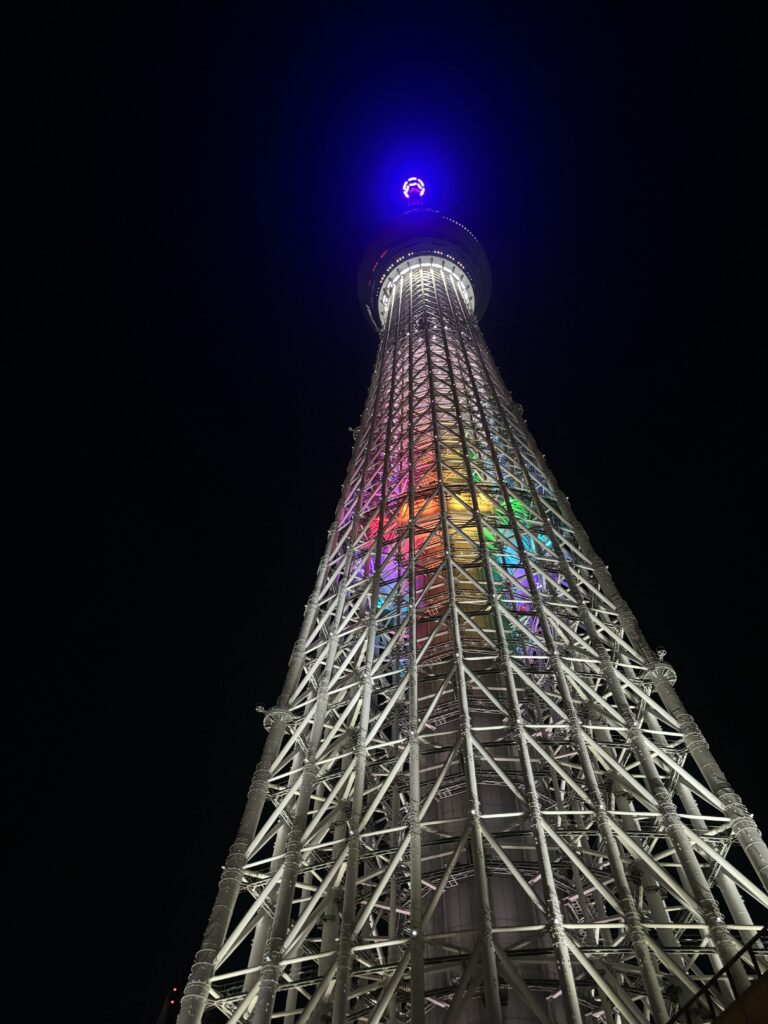
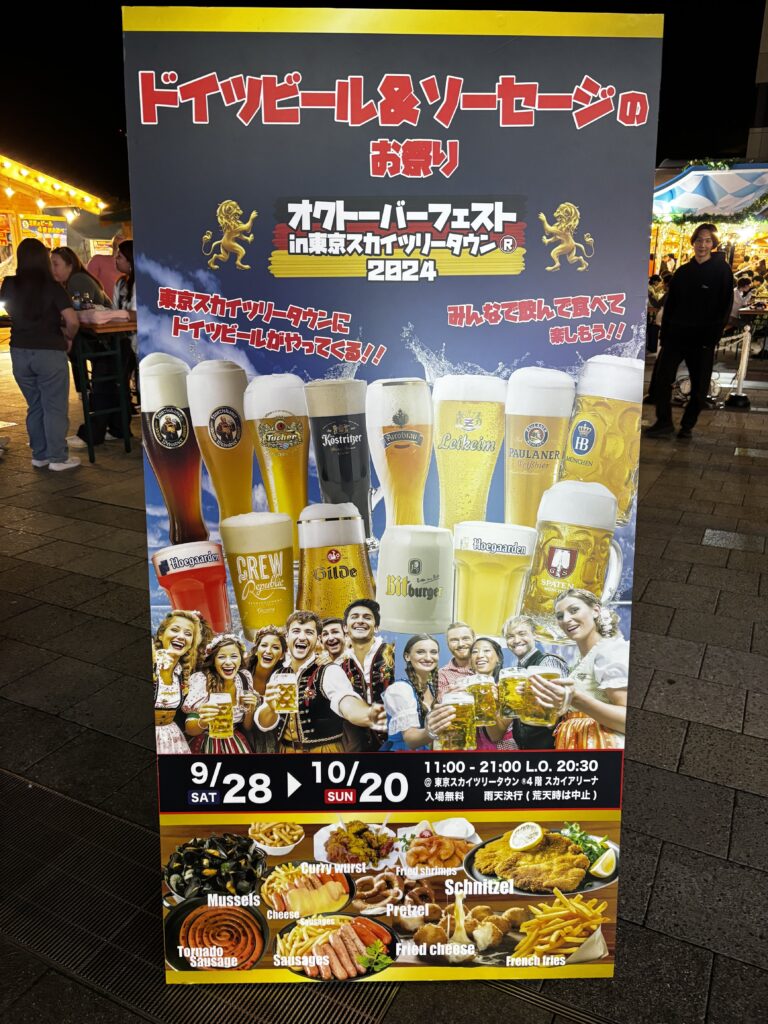
The Mascots were absolutely buzzing with excitement in front of Tokyo Skytree — but look a little closer, and you’ll notice their eyes aren’t fixed on the tower at all. It’s the beer (laughs).

The Mascots being drawn to food over sightseeing — classic. The area around Tokyo Skytree is packed with restaurants and cafés, so combining sightseeing with great food is very much part of the experience.

The Tokyo Skytree area — including the shopping complex Tokyo Solamachi — is filled with restaurants, cafés, and shops. It’s a destination that goes well beyond the tower itself.


What to See at Tokyo Skytree

While you’re there, the observation decks are absolutely worth a visit. From the Tembo Deck at 350 meters and the Tembo Galleria at 450 meters, you get a full 360-degree view of Tokyo’s sprawling cityscape. On a clear day, you can even spot Mount Fuji in the distance.

The glass floor section known as the Sky Walk takes a little courage if you’re not great with heights — but the Mascots were absolutely thrilled (laughs).

Tokyo Skytree — Key Information

ItemDetails
Height634m (world’s tallest self-supporting tower)
Tembo Deck350m above ground
Tembo Galleria450m above ground
AccessDirect from Tobu Skytree Line “Tokyo Skytree Station”
Hours8:00–22:00 (last entry 21:00)

A Chance Conversation — and a Tissue Incident!

While enjoying our beers, we ended up in a lovely conversation with some women sitting nearby — completely by chance.

And then it happened. One of the Mascots reached over and helped themselves to a stranger’s tissue without a second thought. “Excuse me?!” — but thankfully, it was met with laughter rather than outrage. The sheer cheek of the Mascots, somehow always getting away with it (laughs).

Unexpected encounters and moments of laughter like this are what make travel memories truly irreplaceable.


Heading Home on the N700S — the Perfect Ending to a Great Trip

Before we knew it, the fun was over, and we were boarding the N700S Tokaido Shinkansen for the journey home. Settled into the comfortable, state-of-the-art cabin, we let the memories of the day slowly sink in.

The N700S debuted in 2020 as the latest Tokaido Shinkansen model. With power outlets at every seat and free Wi-Fi throughout, even long journeys are effortlessly comfortable.


We Won! A Doctor Yellow Wallpaper Arrived in the Post!!

And then… we won!!

The Doctor Yellow wallpaper that arrived was stunning — a beautiful image of that iconic yellow body set against the vivid blue of the ocean. To think that the legendary train, now retired from regular service, could live on in this form right here in our hands — genuinely moved us.

Doctor Yellow has long been known as the “Lucky Yellow Shinkansen” — the train that brings happiness to anyone who spots it. Back when it was still in regular service, its schedule was kept completely secret. Catching a glimpse of it was a matter of pure luck, and social media would light up every time someone managed it. Since the end of its regular service in 2024, the chance of seeing it in motion has dropped to virtually zero.

That’s exactly why having it preserved in the form of a wallpaper feels all the more special. For railway fans, Doctor Yellow will always hold a place apart — and the fact that its merchandise and commemorative items are still so widely loved is proof of just how deeply it touched people’s hearts. We’d like to share a little of that happiness with all of you. May it bring good things your way too!

Doctor Yellow is a specialized inspection vehicle used to check the tracks and electrical systems of the Shinkansen network. It ended its regular service in 2024, but it continues to be cherished by fans through merchandise and commemorative goods.

Summary: A Trip Packed with Fun, Right to the Very Last Moment

MomentHighlight
Beer at SkytreeThe Mascots followed their instincts — and loved it (laughs)
Chat with fellow visitorsThe tissue incident resolved in laughter!
Home on the N700SA comfortable, modern send-off
Doctor Yellow wallpaper winSharing the luck with everyone!

From start to finish, this trip was packed with laughter and unforgettable moments. The Doctor Yellow wallpaper giveaway is held irregularly on the “Tetsu-oshi!” website — definitely worth keeping an eye on!


Blown Away by the Steam at Shimoimaichi Station! Riding SL Taiju Futara & Spacia X on the Tobu Nikko Line

Shimoimaichi Station — A Hidden Sacred Ground for Railway Fans

“Shimoimaichi”… it’s a bit of a mouthful if you’re not used to it (laughs) — but for railway fans, this station is an absolute must-visit.

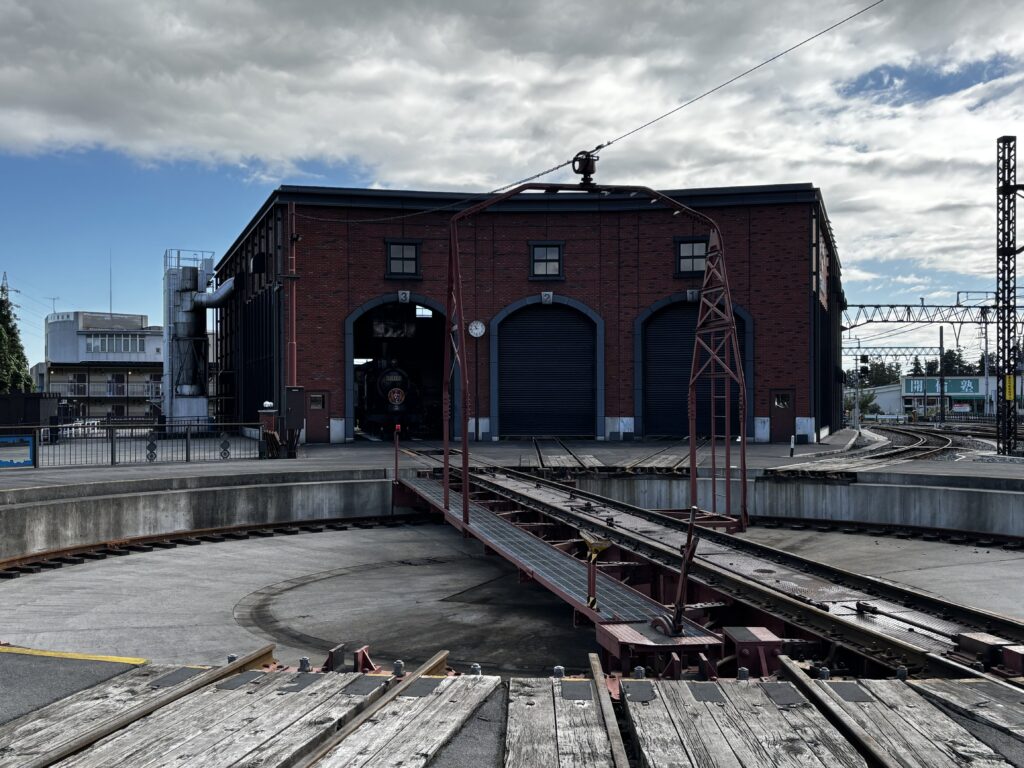
Shimoimaichi Station is home to an SL maintenance depot and a turntable, and if you’re lucky, you might catch the moment a steam locomotive rolls out of the shed. The sheer presence of it is something no photo or video can fully capture. The sight of a steam locomotive moving under its own power, wreathed in black smoke and white steam, is genuinely breathtaking.

A turntable is a piece of equipment used to rotate a steam locomotive 180 degrees. The turntable at Shimoimaichi Station is fully operational, and watching an SL slowly turn around right in front of you is a rare and special experience.

Riding SL Taiju Futara — Feeling the Power of a Real Steam Locomotive

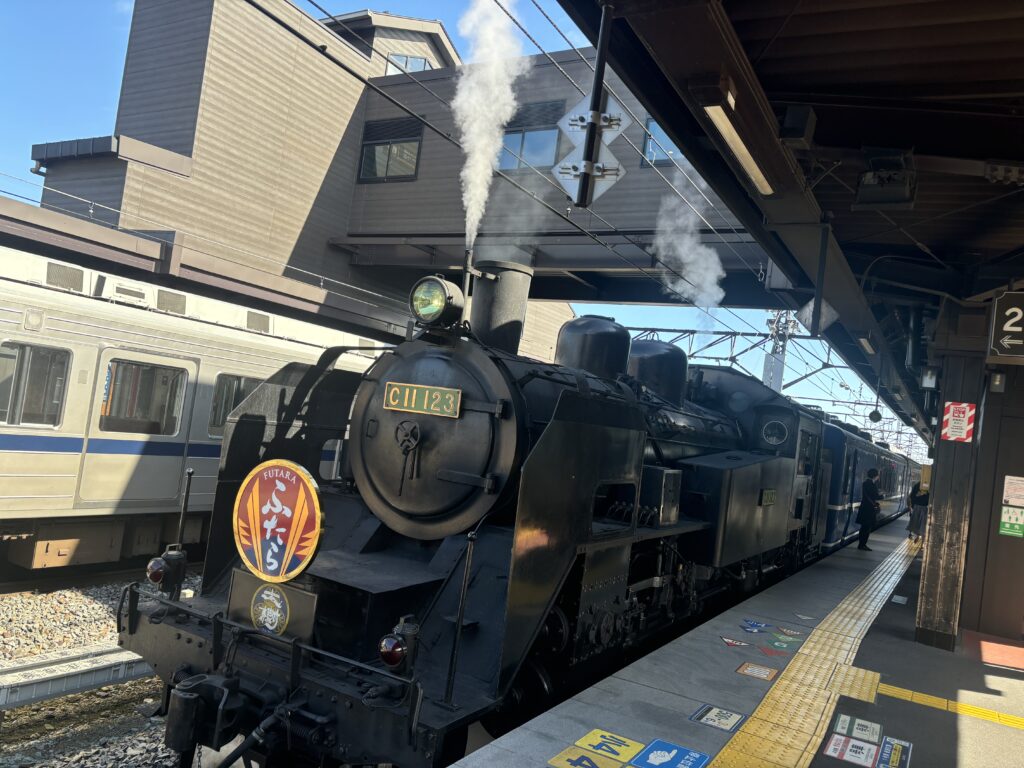
The turntable rotation show is one of the signature attractions at Shimoimaichi Station. Watching the locomotive slowly turn is already impressive — but what really stopped the Mascots in their tracks was the sudden blast of the whistle. A deep, ground-shaking “BOOOON!” froze everyone on the spot for a good few seconds. That was the moment we truly understood: the impact of a real steam locomotive simply cannot be conveyed through a screen. This is a place everyone should experience in person — especially those who have never seen an SL up close before.

The train we rode was SL Taiju Futara, operated by Tobu Railway. It’s a popular steam locomotive service connecting Shimoimaichi Station with Tobu-Nikko Station and Kinugawa Onsen Station.

The excitement of watching the SL emerge from the depot is just the beginning — once you’re on board, the view from the window as smoke and steam drift past is simply stunning. The interior carries a warm Showa-era retro atmosphere, with wooden seating and classic design details that deepen the sense of nostalgia throughout the journey. Combined with the scenic views of Nikko’s mountains and lush greenery rolling past the window, it feels almost like stepping back in time. Traveling at the gentle pace of a steam locomotive — so different from the speed of modern trains — is a rare and deeply satisfying luxury.

SL Taiju Futara is fully reserved seating, so advance booking is strongly recommended. Tickets — especially on weekends and public holidays — tend to sell out quickly.

The Tobu Nikko Line Is a Dream for Special Express Fans Too

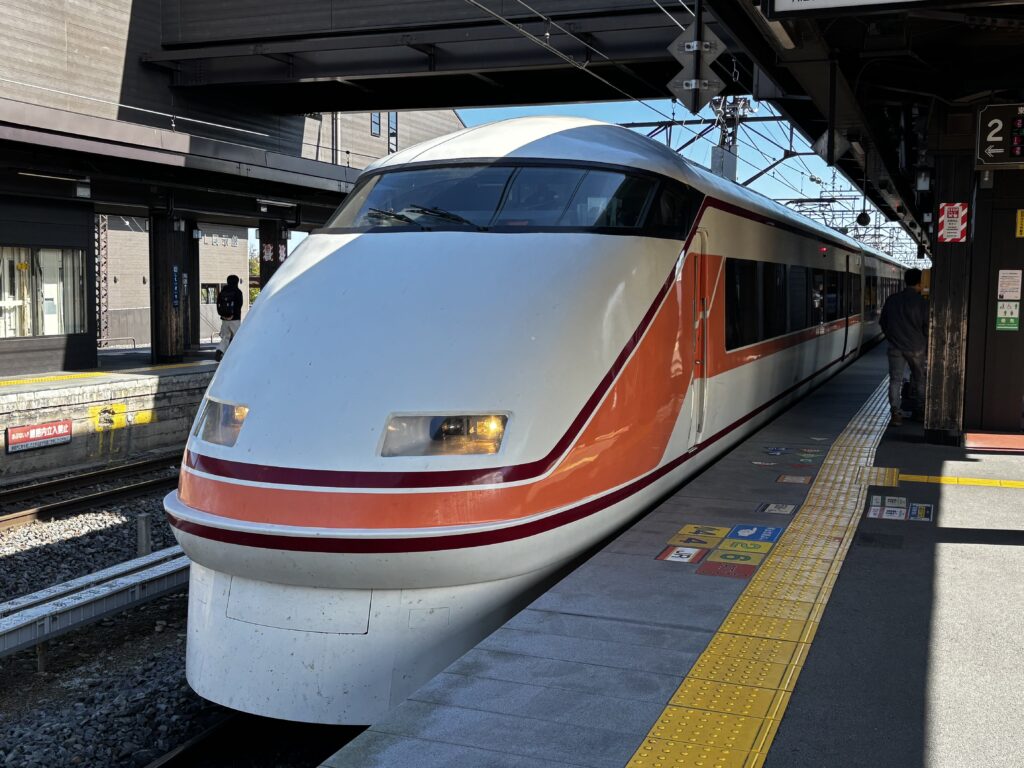
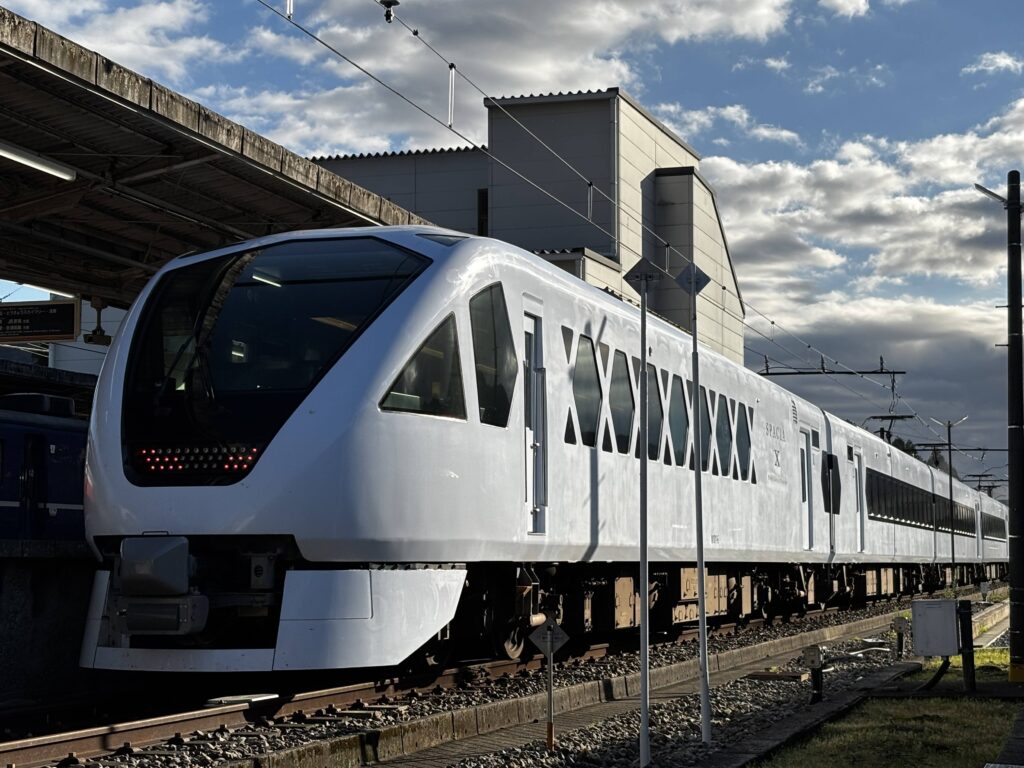
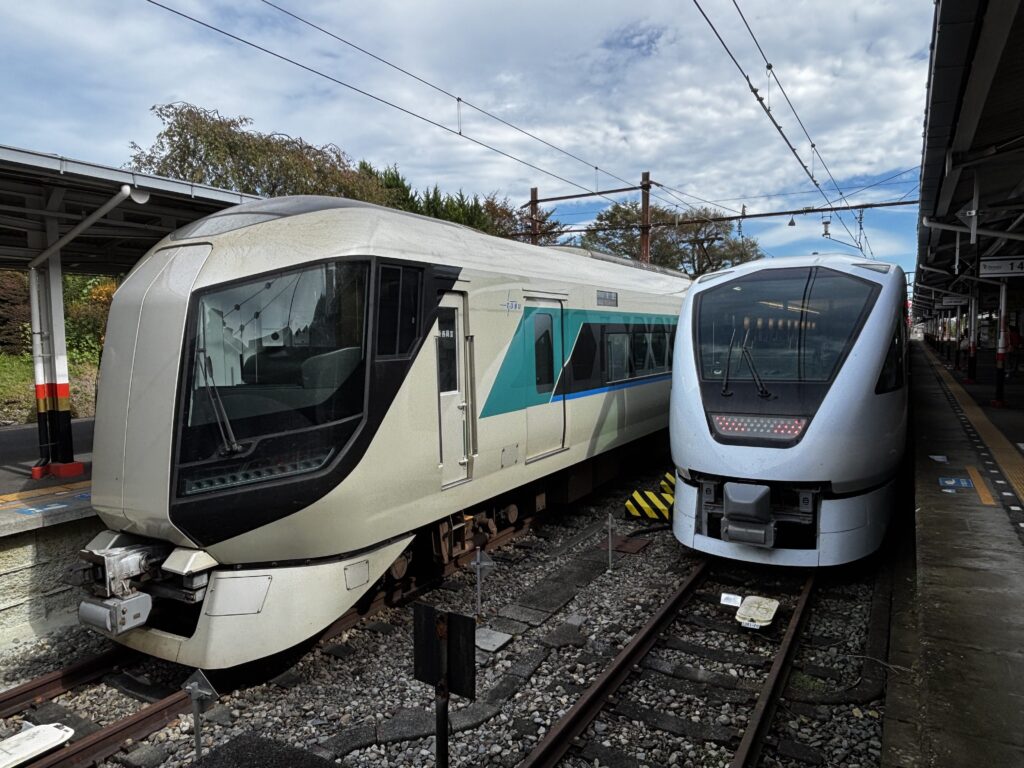
Shimoimaichi Station isn’t just about the SL. It’s also a stop on the Tobu Nikko Line, where popular limited express trains like the Spacia and Spacia X run. The sight of SL Taiju Futara and Spacia X side by side on the same platform is a truly special scene — old and new railway romance crossing paths in one place.

The Spacia X Onboard Cafe Was Incredible!

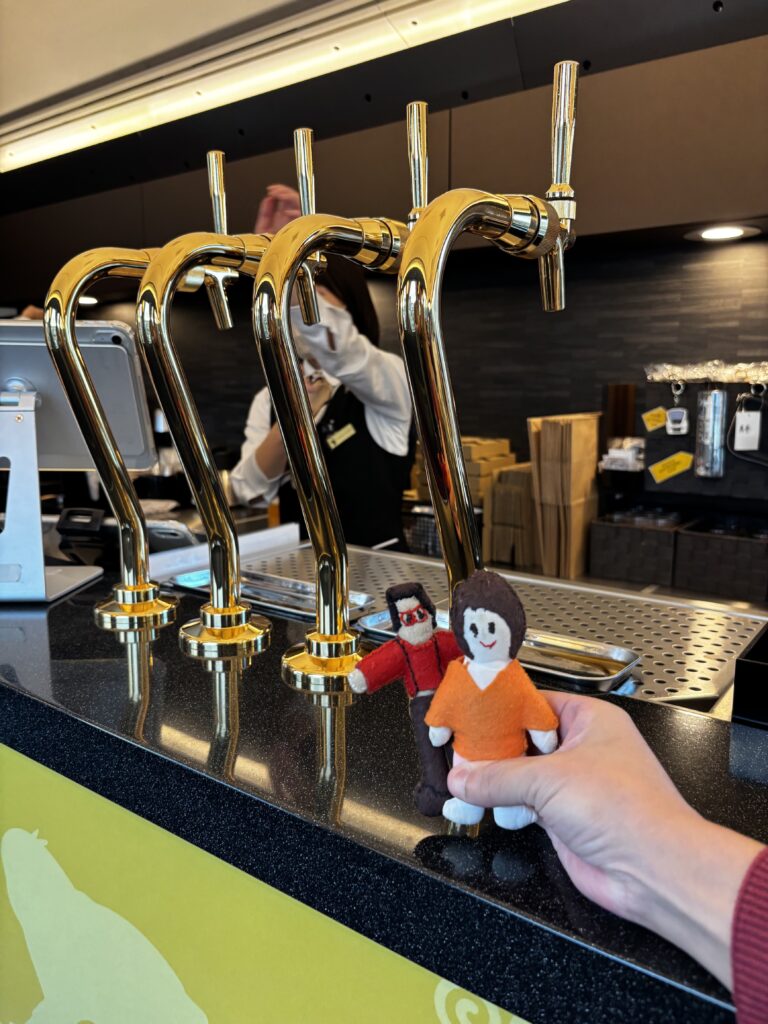
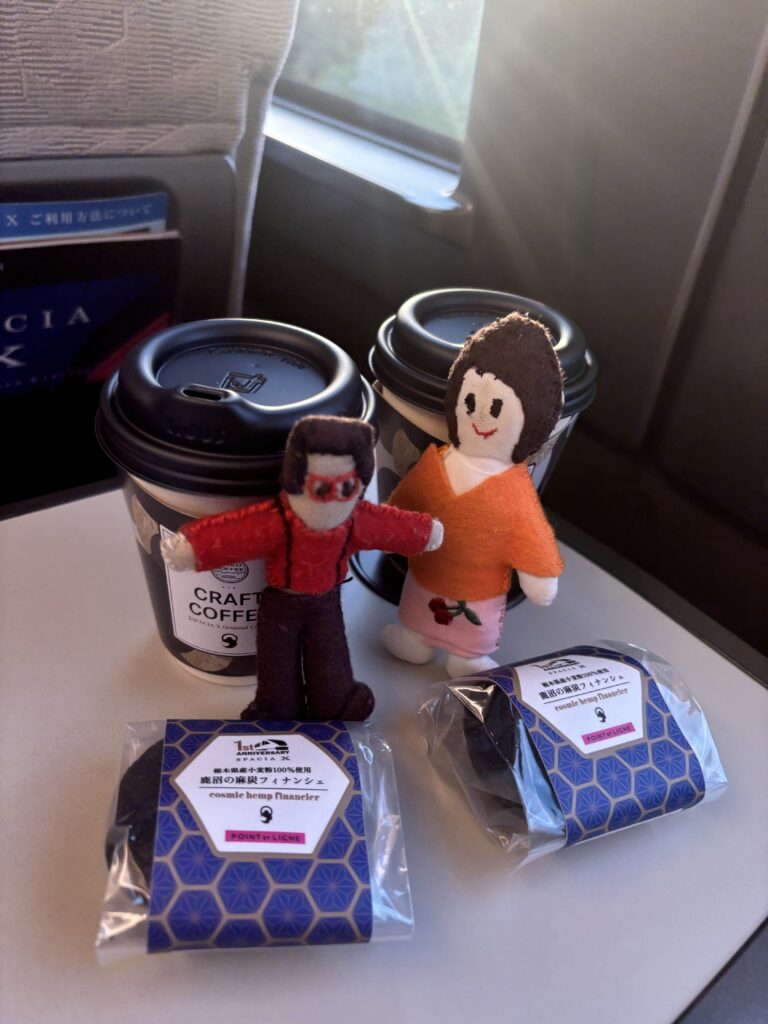
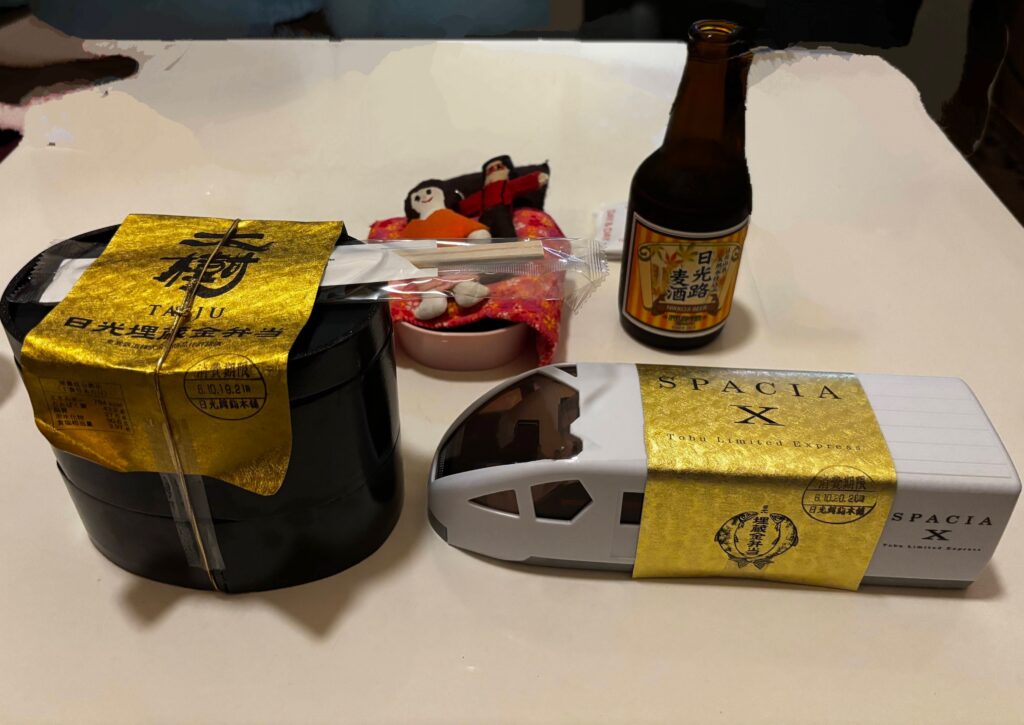
For the return journey, we finally got to ride the Spacia X. On board, you can pre-order exclusive Spacia X café menu items and sweets through the in-train reservation system.

Enjoying a café break while the train glides through the scenery was a genuinely special experience — the Mascots were all smiles, completely in their element. It was the perfect, indulgent way to wrap up the journey.

The Spacia X debuted in 2023 as Tobu Railway’s latest flagship limited express. With distinctive seating options including a cockpit lounge and private compartment seats, boarding the Spacia X is itself a highlight of any trip. Riding both SL Taiju Futara and Spacia X on the same day — old-world steam and cutting-edge luxury — is a uniquely special experience that only the Tobu Nikko Line can offer.

Some Spacia X menu items can be reserved online before boarding. Popular options sell out fast, so early booking is recommended.


Summary: Shimoimaichi Station Is a Must-Stop for Any Railway Fan!

HighlightWhat Made It Special
Shimoimaichi StationSL maintenance depot & turntable
SL Taiju FutaraThe raw power of steam, nostalgic retro atmosphere
Spacia XStunning interior, onboard café experience

The Tobu Nikko Line gives you SL, Spacia, and Spacia X — classic and modern all in one trip. Next time you’re heading to Nikko or Kinugawa Onsen, make sure to stop here along the way!


Coming Up Next: Wait, Are We Already Heading Home? Not So Fast!

The Nikko journey isn’t over yet. There’s one more treat in store… stay tuned for the next article!the journey.

Riding Liberty Kegon to Tobu-Nikko! A Trip Packed with Spacia X & Nikko Toshogu

All Aboard Liberty Kegon — Heading Straight to Tobu-Nikko

Our journey began with the Limited Express Liberty Kegon. Relaxing in the comfortable cabin, we arrived at Tobu-Nikko Station feeling refreshed and ready to explore.

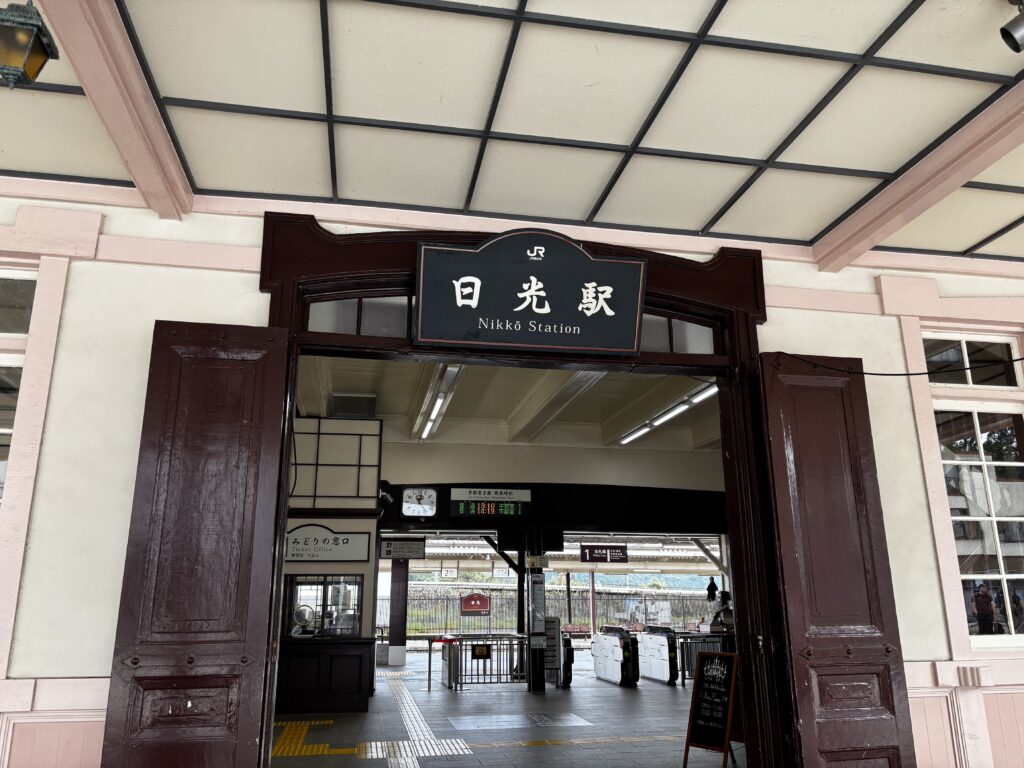
One fun fact about Nikko: there are actually two stations here — Tobu-Nikko Station and JR Nikko Station. The charming, historic station building in the photo is actually JR Nikko Station. Both have their own character and atmosphere, and just admiring the station buildings is enough to get you in the mood for a proper trip!

Liberty Kegon is a limited express service operated by Tobu Railway, connecting Asakusa with Tobu-Nikko in approximately 1 hour 50 minutes.

Spacia X Was Waiting for Us at Tobu-Nikko Station!

Stepping off the train at Tobu-Nikko Station, we were greeted by the sight of a Spacia X waiting on the platform. We couldn’t resist lining up next to it for a commemorative photo 📷

We also snuck a peek inside — and the interior was absolutely stunning. With our return journey on Spacia X already booked, we had to contain our excitement and focus on the task at hand: heading to Nikko Toshogu. The anticipation was almost unbearable (laughs).

Spacia X is Tobu Railway’s newest limited express, which debuted in 2023. Its distinctive seating options — including a cockpit lounge and box seats — have made it one of the most sought-after train experiences in the Kanto region.

Drop the Luggage First — Travel Light for Sightseeing

Hauling heavy bags around Nikko Toshogu didn’t sound appealing — so when we discovered that an affiliated facility of our hotel was right in front of JR Nikko Station, we made a detour to drop off our luggage first.

Best decision of the day. Refreshingly light, we hopped on a bus from in front of JR Nikko Station and headed for Nikko Toshogu.

Getting to Nikko Toshogu: Buses run from both JR Nikko Station and Tobu-Nikko Station. The buses from Tobu-Nikko Station are more frequent and generally more convenient. Journey time is approximately 10 minutes.

Visiting Nikko Toshogu Shrine

Free from our luggage, we were able to explore Nikko Toshogu in complete comfort. No matter how many times you visit, the combination of historic architecture and lush natural surroundings never fails to impress.

The intricate carvings and vivid, technicolor buildings are overwhelming in the best possible way — but what really made the Mascots’ eyes light up was the National Treasure: the Sleeping Cat. One of the most famous decorative carvings in this shrine dedicated to Tokugawa Ieyasu, it’s small but commands an extraordinary presence. “There it is!! The real one!!” — the Mascots were beside themselves with excitement, which made us laugh. In a space heavy with centuries of history, this adorable little sleeping cat had completely stolen the show.

The highlights of Nikko Toshogu go well beyond the Sleeping Cat. The Yomeimon Gate — nicknamed the “Gate of Sunset” for being so beautiful that people lose track of time gazing at it — is truly breathtaking. Adorned in gold and rich colors, its intricate carvings have lost none of their brilliance in hundreds of years.

The cedar-lined path leading to the inner shrine is also remarkable, with many trees said to be over 400 years old, creating an atmosphere of quiet reverence. With so much to see, we’d recommend allowing 2 to 3 hours for a thorough visit to Nikko Toshogu.

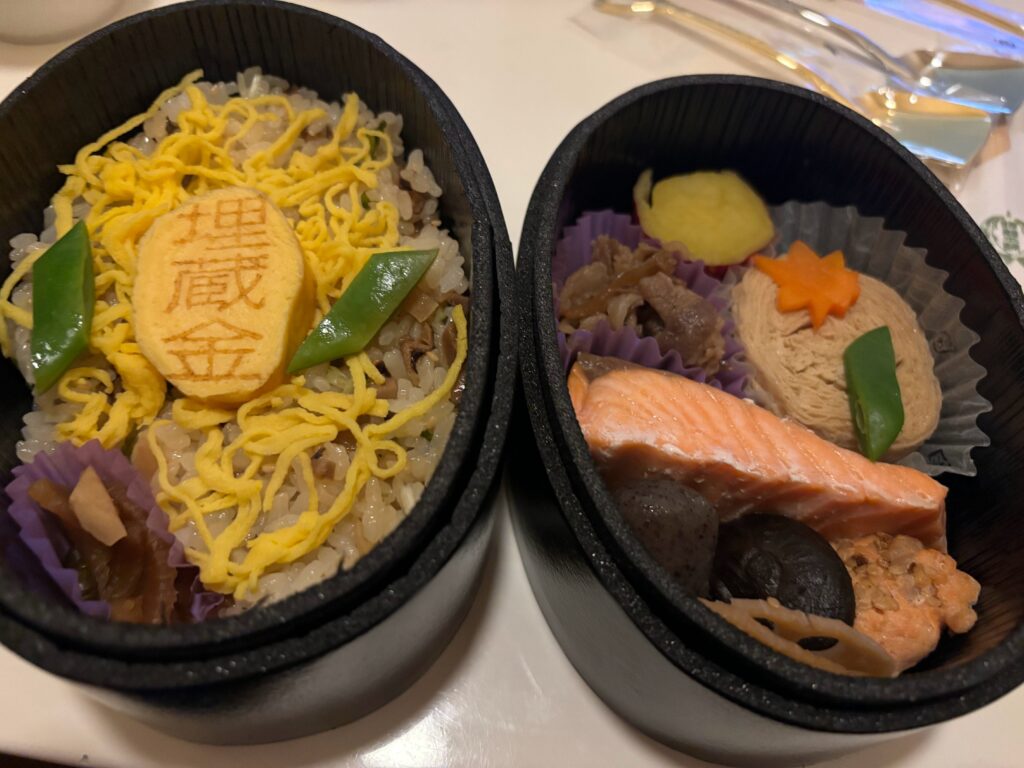
After the visit, we took the bus back to Tobu-Nikko Station, picked up bento boxes for dinner, and headed to our hotel.

Recommended Itinerary for Nikko

TimeActivity
MorningArrive at Tobu-Nikko on Liberty Kegon
MorningDrop luggage at hotel facility near JR Nikko Station
Late morning – middayBus to Nikko Toshogu, explore and worship
EveningPick up bento at Tobu-Nikko Station
EveningCheck in to hotel
Return journeyHead home on Spacia X

The Return Journey — Finally Riding Spacia X!

After a full day of sightseeing, it was finally time for the moment we’d been looking forward to all day: boarding Spacia X. The moment we spotted it on the platform at Tobu-Nikko Station, the excitement was immediate.

The interior lived up to every expectation. The cockpit lounge’s large forward-facing window offers a spectacular view of the track ahead — it genuinely feels like you’re the one driving the train. The box seats have a semi-private feel, making them ideal for group travel.

The exclusive Spacia X café menu available on board is not to be missed either. Enjoying coffee and sweets while the train glides through the countryside was the perfect way to wind down after a full day of exploration. The 1 hour 50 minutes back to Asakusa flew by — that’s how good the journey was.


Thinking of Riding Spacia X?

Spacia X is extremely popular and seats fill up fast — especially the cockpit lounge and box seats, which can sell out well in advance. If you’re planning a Nikko trip, early booking is strongly recommended!

Beyond the Main Street — Exploring the Back Alleys of Gion Festival & a Chance Ride on the Kyototrain!

Gion Festival Has More to Offer Than the Main Boulevard!

Gion Festival is one of Kyoto’s most iconic summer traditions. This time, instead of sticking to the main street, we discovered a whole new way to enjoy the festival — wandering through Kyoto’s narrow back alleys to find the floats and mountain floats tucked away in quieter corners of the city.

Arare Tenjin-yama: A Place That Brought Back Student Memories

Our first stop was Arare Tenjin-yama.

This float is famous for its protective power against fire, and it also happened to be a place I visited during my student days. Revisiting it brought a wave of nostalgia — and yet, looking at it with fresh eyes, I noticed new details I’d never seen before. It reminded me just how deep the history of Gion Festival really runs.

About Arare Tenjinyama: One of the iconic floats of Gion Matsuri, this float is said to have protected the city from a devastating fire in 1582 (the 10th year of the Tensho era). Its chimaki (sacred rice dumplings) are popular as fire-prevention charms and sell out quickly each year.

A New Way to Enjoy Gion Festival — Why the Back Alleys Are Worth Exploring

Here’s what makes wandering the side streets such a special experience:

  • Fewer crowds than the main boulevard — you can take your time and look properly
  • A warmer, more intimate atmosphere with locals nearby
  • Each float and mountain float has its own unique history and story to discover
  • The contrast between the traditional Kyoto townhouses and the floats makes for stunning photos

The back alleys of Gion Festival are a hidden gem — and one we’d highly recommend adding to your itinerary.

Kikusui-hoko: Another Highlight Along the Way

Next, we stopped by Kikusui-hoko. Unlike the famous floats lining the main street, the floats and mountain floats tucked into the side streets have a quietly different atmosphere.

Walking these narrow lanes, you can feel the living culture of the festival — lovingly preserved and carried forward by the local community, generation after generation.

Kikusui-hoko is one of the floats in the Gion Festival’s Sakimatsuri (front festival). It takes its name from the Noh play “Kiku Jido” and is said to grant the blessing of longevity. Original Kikusui-hoko tea and sweets are also sold on the float itself.

Things to Know Before Visiting Gion Festival

Gion Festival runs throughout the entire month of July, from the 1st to the 31st. The highlight events are the Sakimatsuri yamahoko procession on July 17th and the Atomatsuri procession on July 24th — but the Yoiyama evenings (the nights before the processions) are also incredibly lively, with food stalls and float displays filling the streets.

Tips for your visit:

  • Wearing a yukata (summer kimono) adds to the atmosphere and is highly recommended
  • If you want to avoid the biggest crowds, weekday mornings are your best bet
  • Some floats offer paid boarding experiences — well worth trying if you get the chance
  • Chimaki (protective rice dumpling charms) sold at each float make wonderful souvenirs

On the Way Home — A Chance Encounter with the Kyototrain!

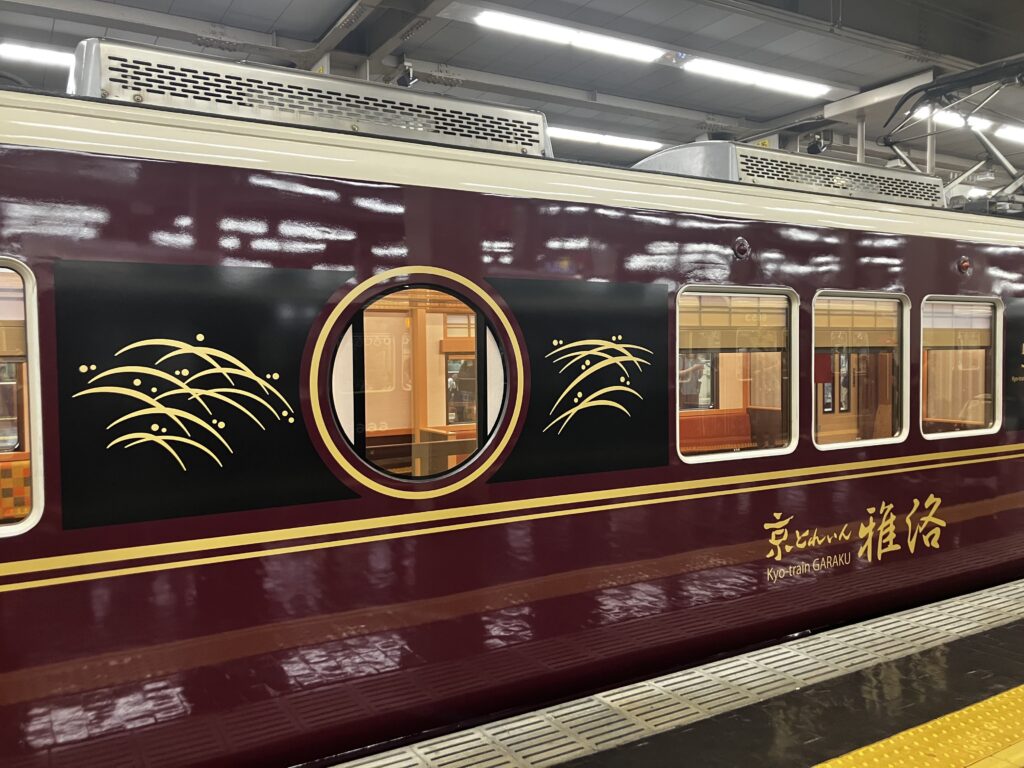
After finishing our stroll, we were heading home when we stumbled upon the Kyototrain — and somehow managed to get on board!

This was a train I’d always wanted to ride. The beautiful Japanese-inspired interior design, evoking the changing seasons throughout the carriages, was everything I’d hoped for. Even the Mascots were unusually quiet, clearly soaking in the atmosphere (laughs).

Each carriage features a different interpretation of traditional Japanese aesthetics — from a karesansui dry garden space to wooden bench seating reminiscent of a traditional engawa veranda. The BGM playing softly through the carriages was equally Japanese in feel, making the whole journey feel like an extension of Kyoto itself.

Stumbling onto the Kyototrain at exactly the right moment felt like the perfect reward to round off the day. With the lingering warmth of Gion Festival still in our hearts, we made our way gently back to Osaka. Next time, I’d love to plan the trip around the train schedule so we can enjoy the full experience from start to finish.

The Kyototrain is a sightseeing train operated by Hankyu Railway. Themed around traditional Japanese aesthetics, each carriage features a different seasonal landscape. It runs mainly on weekends and public holidays between Osaka-Umeda and Kyoto-Kawaramachi. Check the schedule in advance before your visit.

Recommended Itinerary: Gion Festival + Kyototrain

TimeActivity
MorningArrive in Kyoto, begin back-alley festival stroll
Late morningVisit Arare Tenjin-yama, Kikusui-hoko and more
MiddayLunch at a Kyoto restaurant
AfternoonContinue exploring the side-street floats
EveningBoard the Kyototrain from Hankyu and head back to Osaka

Summary: Gion Festival Back Alleys + Kyototrain — The Perfect Kyoto Summer Combination

HighlightWhat Made It Special
Arare Tenjin-yamaFire-protection charm, nostalgic memories from student days
Kikusui-hokoLongevity blessing, quiet side-street atmosphere
Kyoto back alleysA hidden, unhurried way to experience Gion Festival
KyototrainJapanese-inspired interior, soaking in the Kyoto afterglow

Gion Festival takes place every July. The Yoiyama evenings and yamahoko processions are especially crowded, so book your accommodation well in advance!