Blown Away by the Steam at Shimoimaichi Station! Riding SL Taiju Futara & Spacia X on the Tobu Nikko Line
Shimoimaichi Station — A Hidden Sacred Ground for Railway Fans

“Shimoimaichi”… it’s a bit of a mouthful if you’re not used to it (laughs) — but for railway fans, this station is an absolute must-visit.

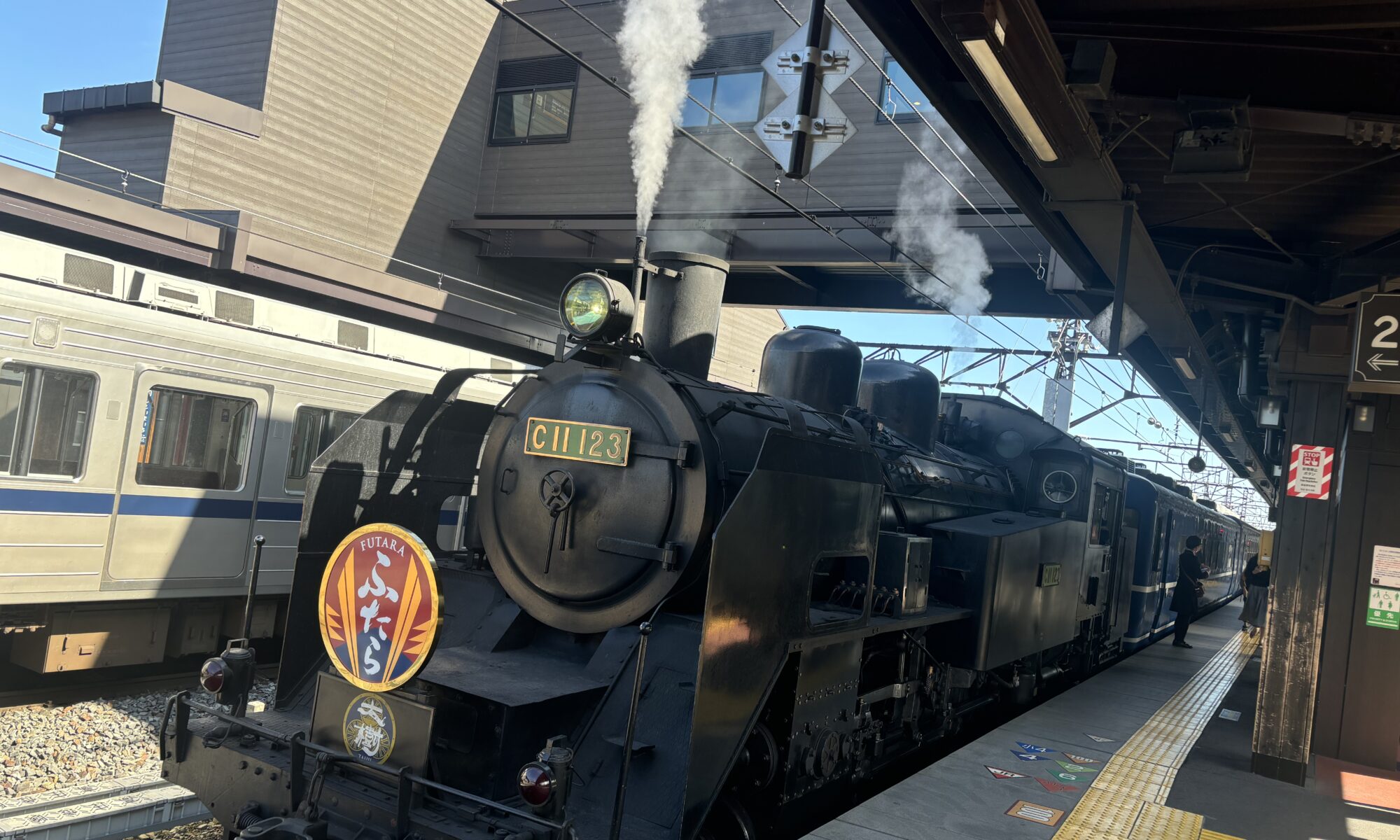
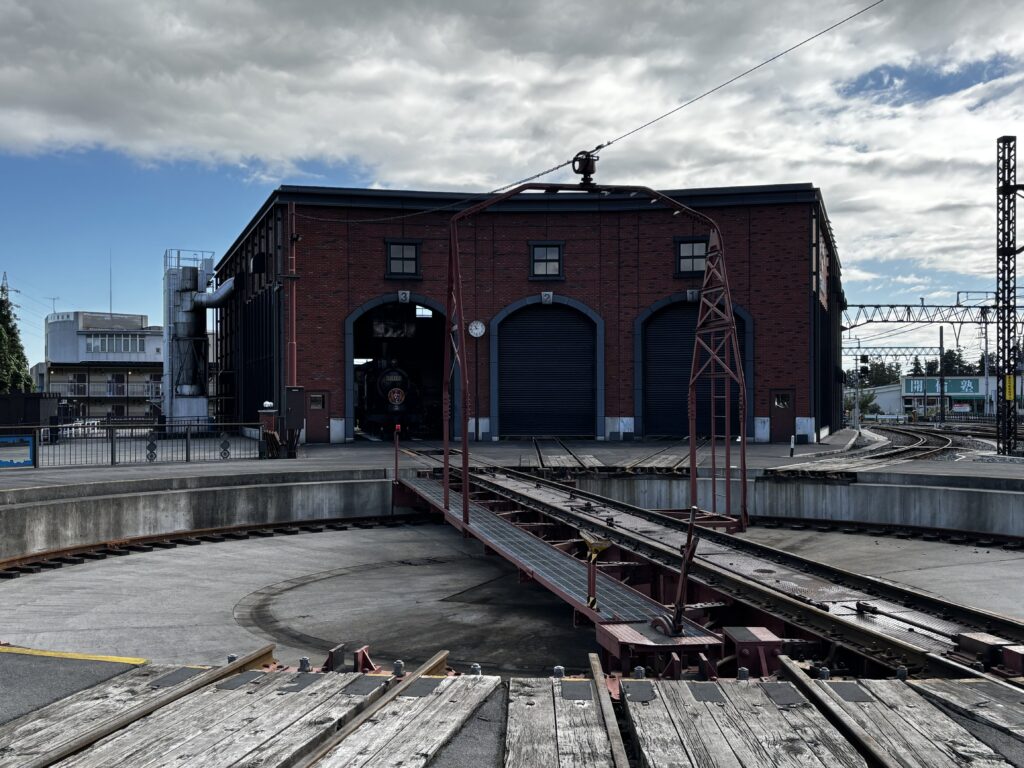
Shimoimaichi Station is home to an SL maintenance depot and a turntable, and if you’re lucky, you might catch the moment a steam locomotive rolls out of the shed. The sheer presence of it is something no photo or video can fully capture. The sight of a steam locomotive moving under its own power, wreathed in black smoke and white steam, is genuinely breathtaking.

A turntable is a piece of equipment used to rotate a steam locomotive 180 degrees. The turntable at Shimoimaichi Station is fully operational, and watching an SL slowly turn around right in front of you is a rare and special experience.

Riding SL Taiju Futara — Feeling the Power of a Real Steam Locomotive

The turntable rotation show is one of the signature attractions at Shimoimaichi Station. Watching the locomotive slowly turn is already impressive — but what really stopped the Mascots in their tracks was the sudden blast of the whistle. A deep, ground-shaking “BOOOON!” froze everyone on the spot for a good few seconds. That was the moment we truly understood: the impact of a real steam locomotive simply cannot be conveyed through a screen. This is a place everyone should experience in person — especially those who have never seen an SL up close before.

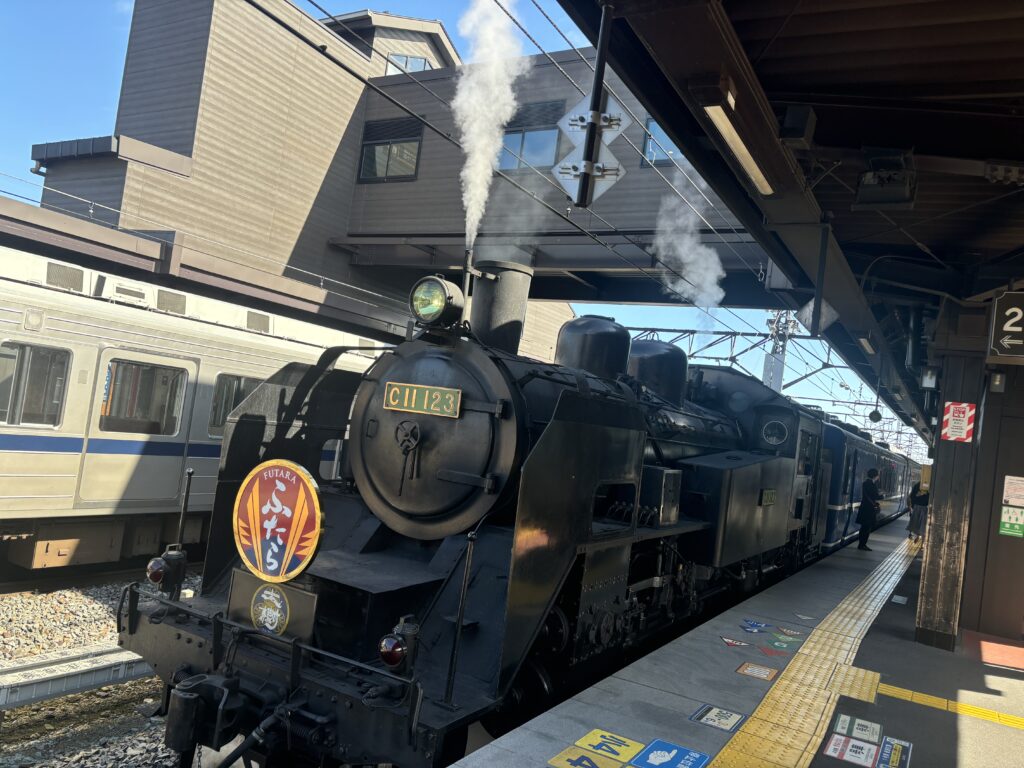
The train we rode was SL Taiju Futara, operated by Tobu Railway. It’s a popular steam locomotive service connecting Shimoimaichi Station with Tobu-Nikko Station and Kinugawa Onsen Station.

The excitement of watching the SL emerge from the depot is just the beginning — once you’re on board, the view from the window as smoke and steam drift past is simply stunning. The interior carries a warm Showa-era retro atmosphere, with wooden seating and classic design details that deepen the sense of nostalgia throughout the journey. Combined with the scenic views of Nikko’s mountains and lush greenery rolling past the window, it feels almost like stepping back in time. Traveling at the gentle pace of a steam locomotive — so different from the speed of modern trains — is a rare and deeply satisfying luxury.

SL Taiju Futara is fully reserved seating, so advance booking is strongly recommended. Tickets — especially on weekends and public holidays — tend to sell out quickly.

The Tobu Nikko Line Is a Dream for Special Express Fans Too

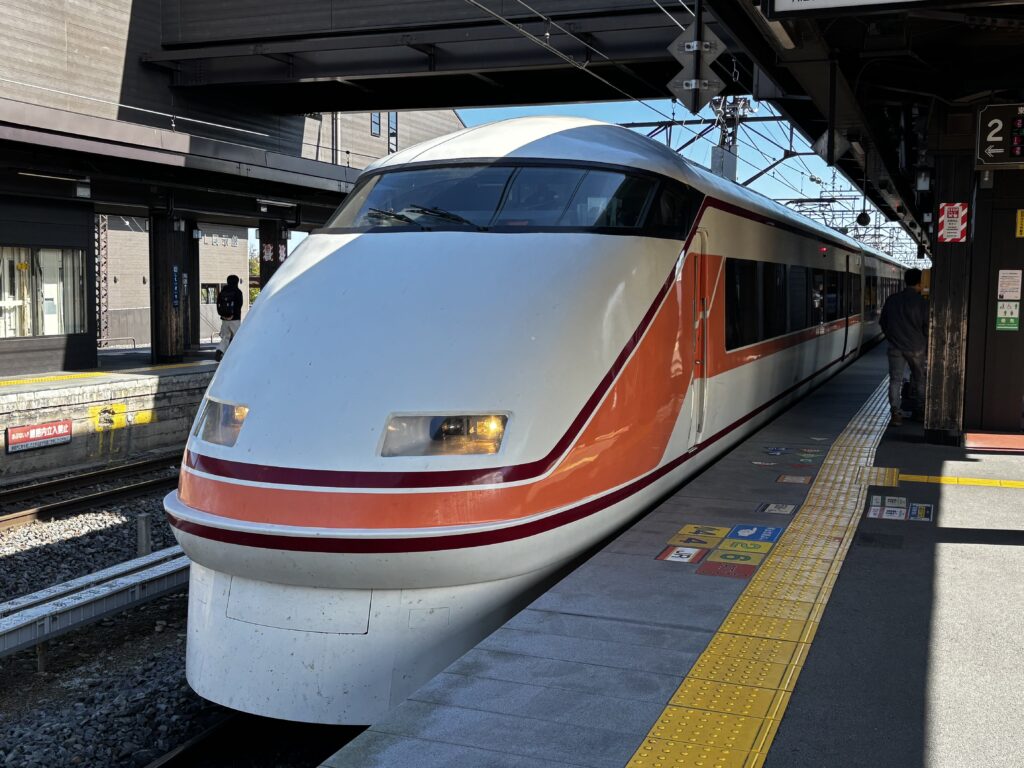
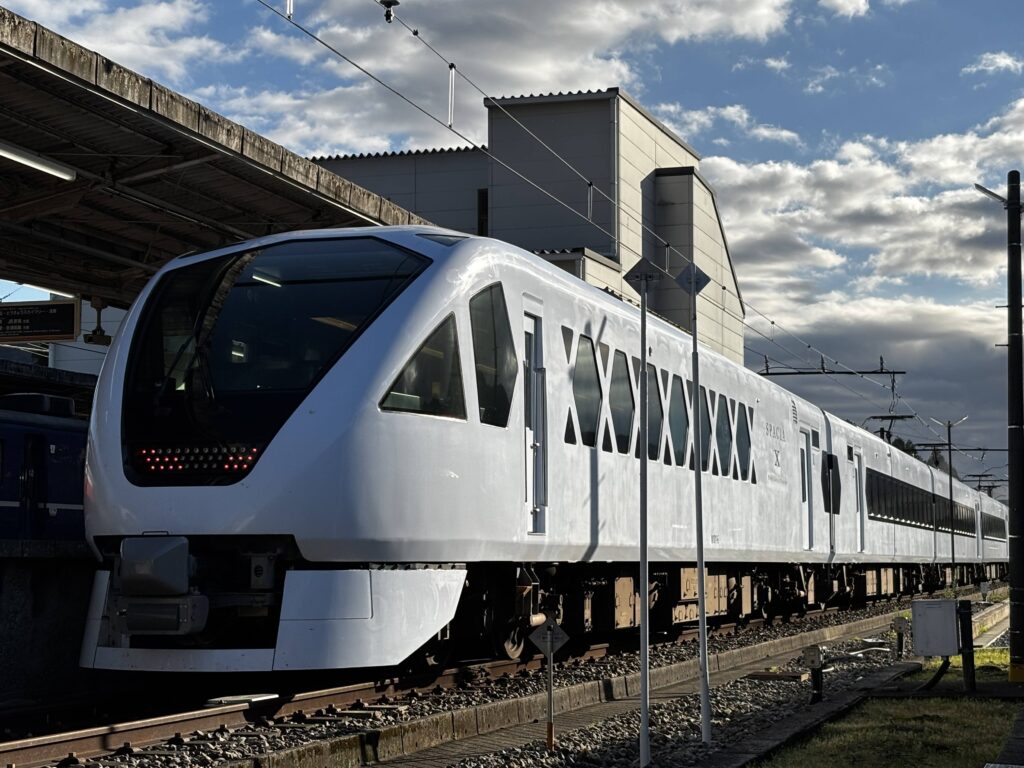
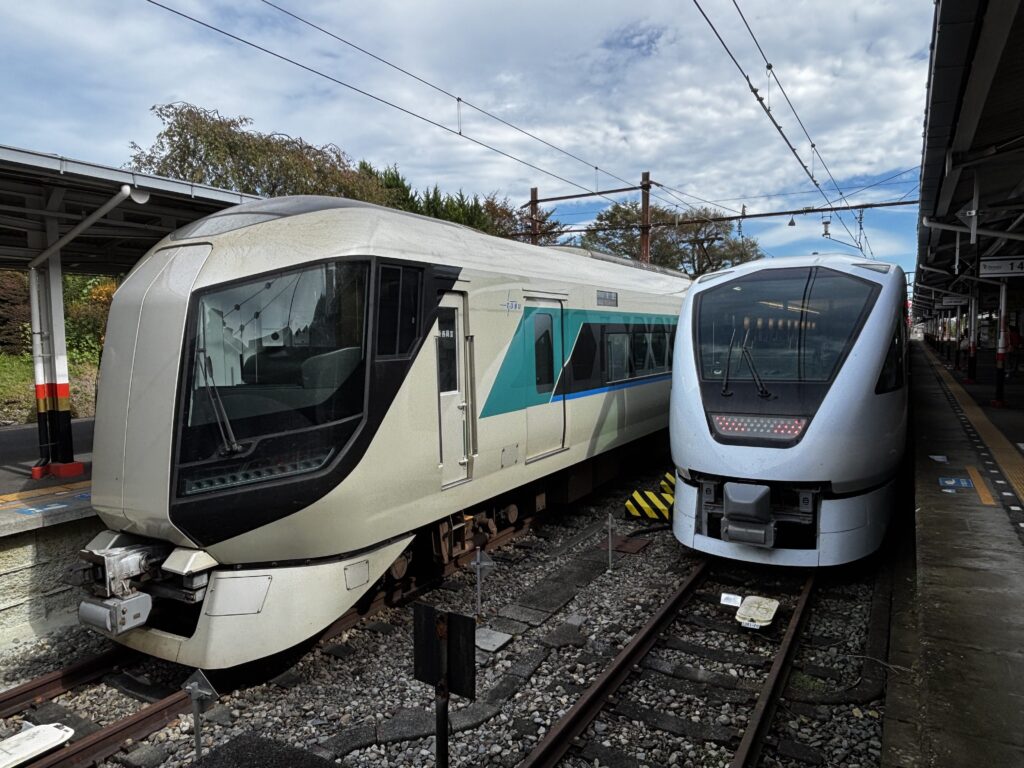
Shimoimaichi Station isn’t just about the SL. It’s also a stop on the Tobu Nikko Line, where popular limited express trains like the Spacia and Spacia X run. The sight of SL Taiju Futara and Spacia X side by side on the same platform is a truly special scene — old and new railway romance crossing paths in one place.

The Spacia X Onboard Cafe Was Incredible!

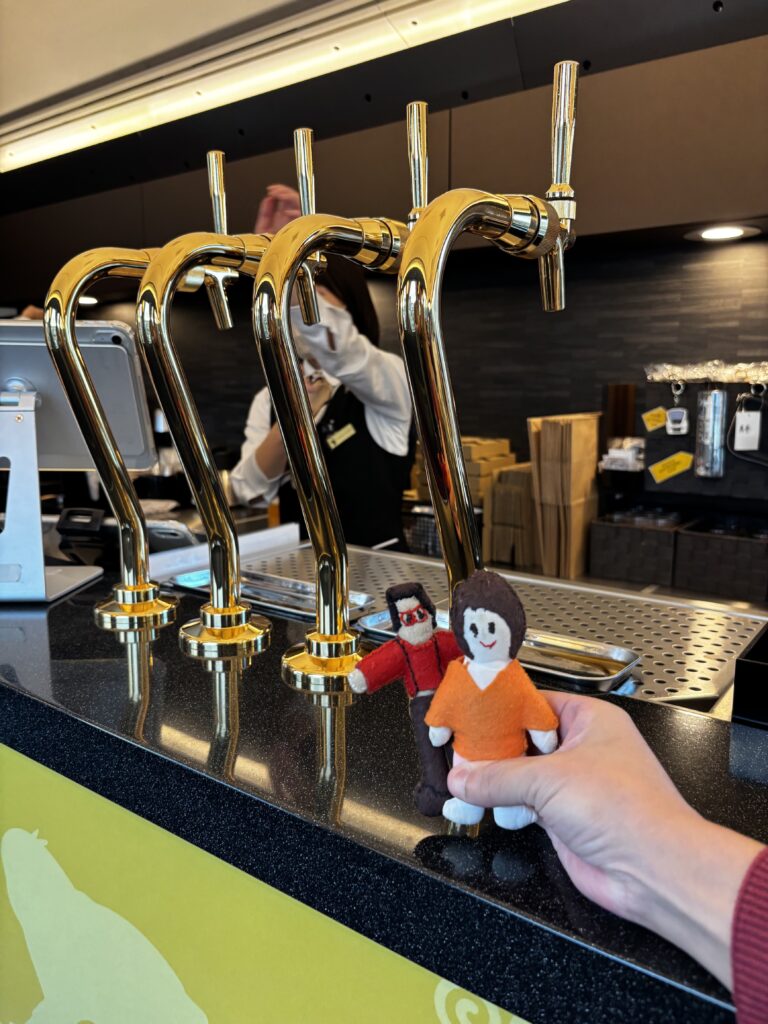
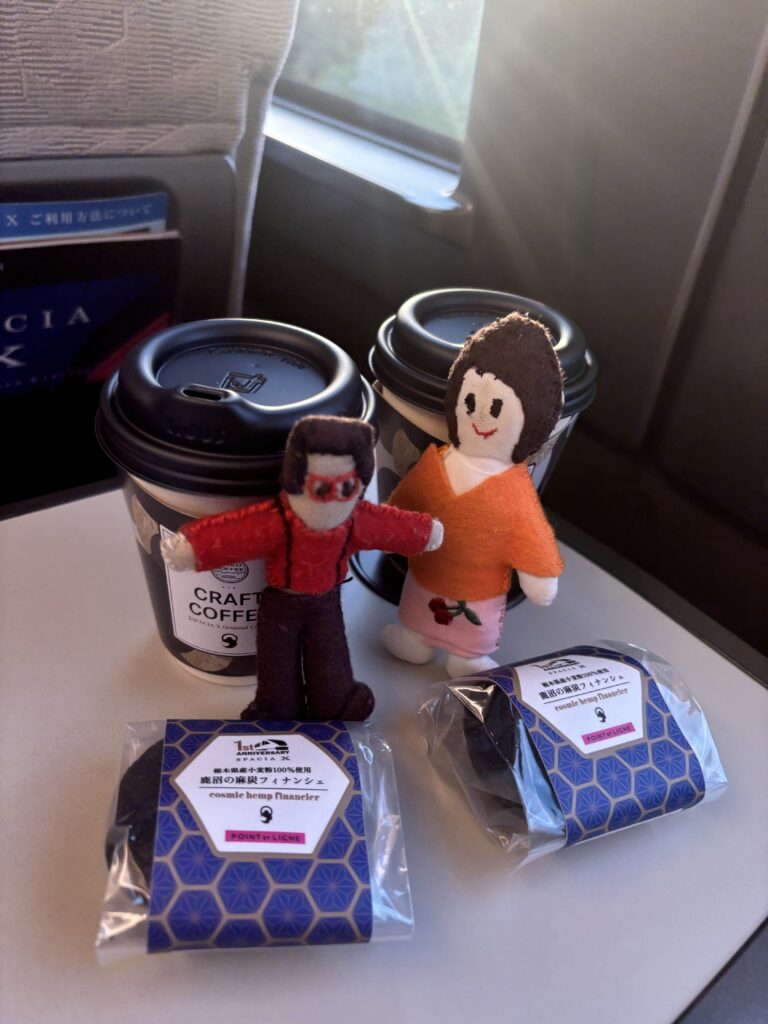
For the return journey, we finally got to ride the Spacia X. On board, you can pre-order exclusive Spacia X café menu items and sweets through the in-train reservation system.

Enjoying a café break while the train glides through the scenery was a genuinely special experience — the Mascots were all smiles, completely in their element. It was the perfect, indulgent way to wrap up the journey.

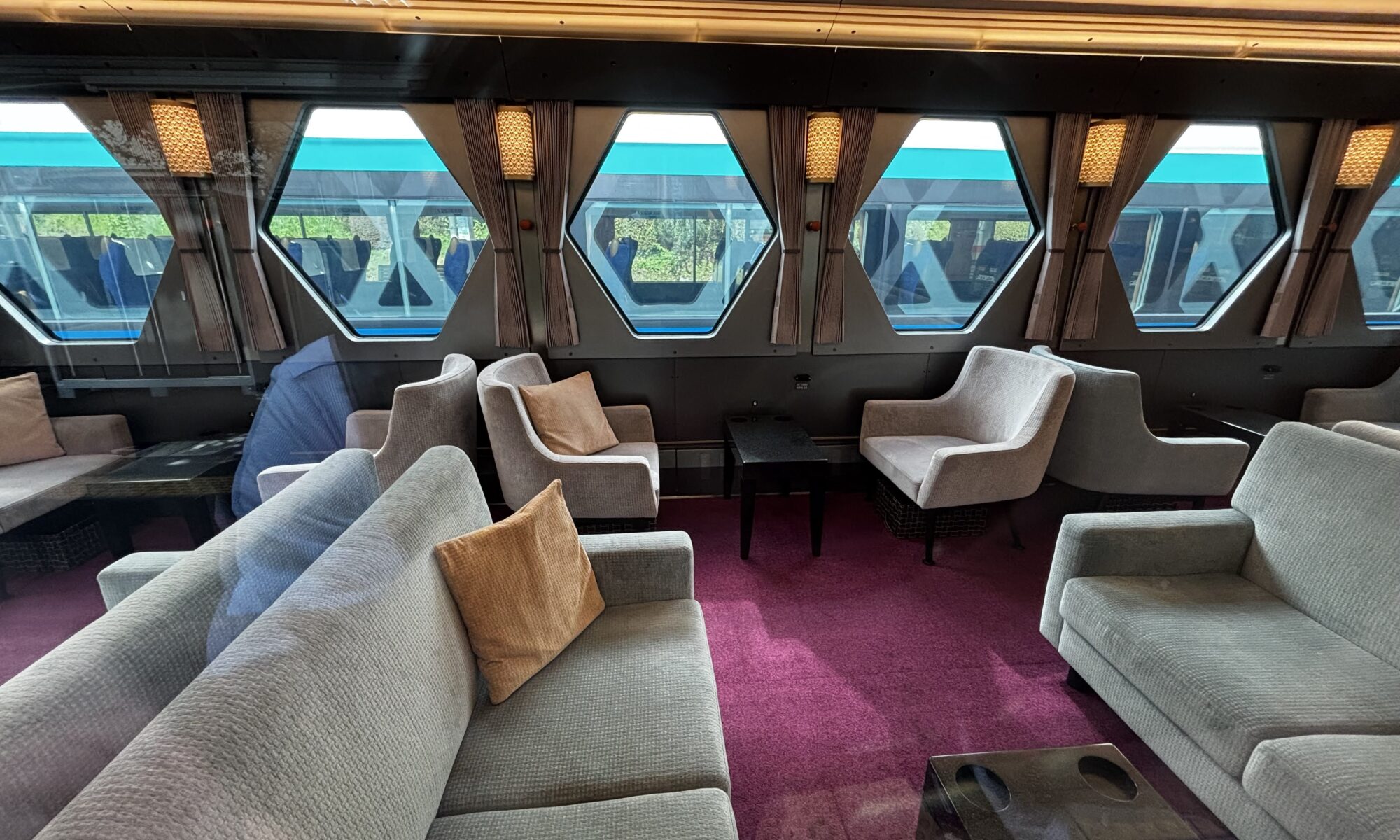
The Spacia X debuted in 2023 as Tobu Railway’s latest flagship limited express. With distinctive seating options including a cockpit lounge and private compartment seats, boarding the Spacia X is itself a highlight of any trip. Riding both SL Taiju Futara and Spacia X on the same day — old-world steam and cutting-edge luxury — is a uniquely special experience that only the Tobu Nikko Line can offer.

Some Spacia X menu items can be reserved online before boarding. Popular options sell out fast, so early booking is recommended.


Summary: Shimoimaichi Station Is a Must-Stop for Any Railway Fan!

HighlightWhat Made It Special
Shimoimaichi StationSL maintenance depot & turntable
SL Taiju FutaraThe raw power of steam, nostalgic retro atmosphere
Spacia XStunning interior, onboard café experience

The Tobu Nikko Line gives you SL, Spacia, and Spacia X — classic and modern all in one trip. Next time you’re heading to Nikko or Kinugawa Onsen, make sure to stop here along the way!


Coming Up Next: Wait, Are We Already Heading Home? Not So Fast!

The Nikko journey isn’t over yet. There’s one more treat in store… stay tuned for the next article!the journey.

Riding Liberty Kegon to Tobu-Nikko! A Trip Packed with Spacia X & Nikko Toshogu

All Aboard Liberty Kegon — Heading Straight to Tobu-Nikko

Our journey began with the Limited Express Liberty Kegon. Relaxing in the comfortable cabin, we arrived at Tobu-Nikko Station feeling refreshed and ready to explore.

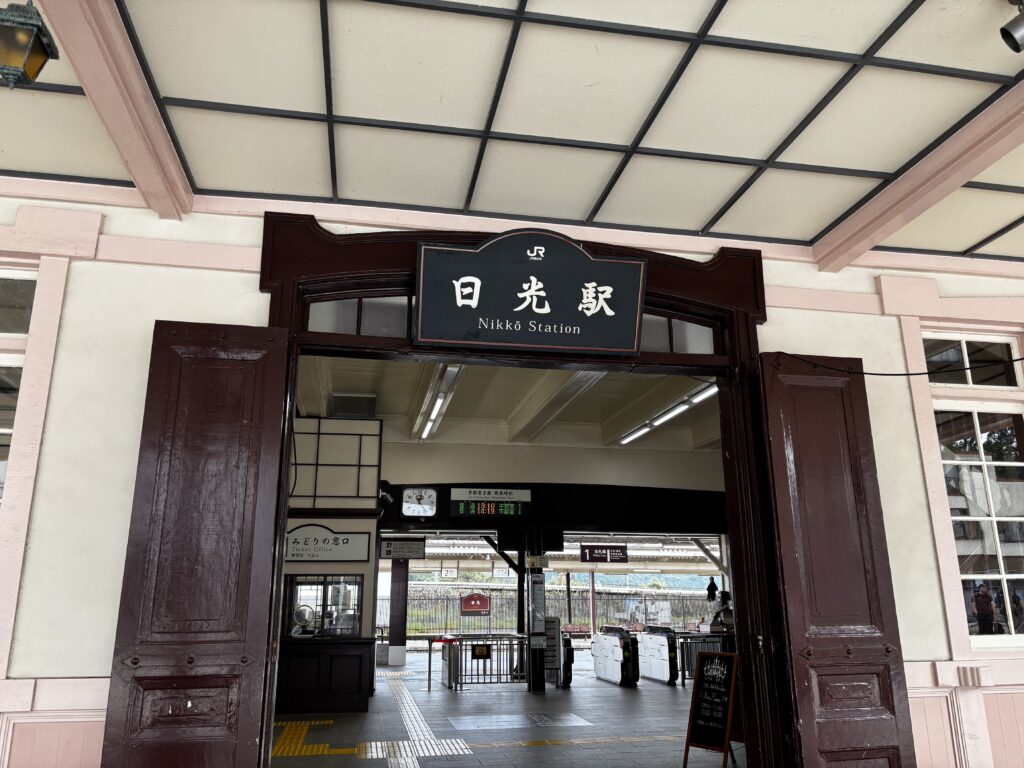
One fun fact about Nikko: there are actually two stations here — Tobu-Nikko Station and JR Nikko Station. The charming, historic station building in the photo is actually JR Nikko Station. Both have their own character and atmosphere, and just admiring the station buildings is enough to get you in the mood for a proper trip!

Liberty Kegon is a limited express service operated by Tobu Railway, connecting Asakusa with Tobu-Nikko in approximately 1 hour 50 minutes.

Spacia X Was Waiting for Us at Tobu-Nikko Station!

Stepping off the train at Tobu-Nikko Station, we were greeted by the sight of a Spacia X waiting on the platform. We couldn’t resist lining up next to it for a commemorative photo 📷

We also snuck a peek inside — and the interior was absolutely stunning. With our return journey on Spacia X already booked, we had to contain our excitement and focus on the task at hand: heading to Nikko Toshogu. The anticipation was almost unbearable (laughs).

Spacia X is Tobu Railway’s newest limited express, which debuted in 2023. Its distinctive seating options — including a cockpit lounge and box seats — have made it one of the most sought-after train experiences in the Kanto region.

Drop the Luggage First — Travel Light for Sightseeing

Hauling heavy bags around Nikko Toshogu didn’t sound appealing — so when we discovered that an affiliated facility of our hotel was right in front of JR Nikko Station, we made a detour to drop off our luggage first.

Best decision of the day. Refreshingly light, we hopped on a bus from in front of JR Nikko Station and headed for Nikko Toshogu.

Getting to Nikko Toshogu: Buses run from both JR Nikko Station and Tobu-Nikko Station. The buses from Tobu-Nikko Station are more frequent and generally more convenient. Journey time is approximately 10 minutes.

Visiting Nikko Toshogu Shrine

Free from our luggage, we were able to explore Nikko Toshogu in complete comfort. No matter how many times you visit, the combination of historic architecture and lush natural surroundings never fails to impress.

The intricate carvings and vivid, technicolor buildings are overwhelming in the best possible way — but what really made the Mascots’ eyes light up was the National Treasure: the Sleeping Cat. One of the most famous decorative carvings in this shrine dedicated to Tokugawa Ieyasu, it’s small but commands an extraordinary presence. “There it is!! The real one!!” — the Mascots were beside themselves with excitement, which made us laugh. In a space heavy with centuries of history, this adorable little sleeping cat had completely stolen the show.

The highlights of Nikko Toshogu go well beyond the Sleeping Cat. The Yomeimon Gate — nicknamed the “Gate of Sunset” for being so beautiful that people lose track of time gazing at it — is truly breathtaking. Adorned in gold and rich colors, its intricate carvings have lost none of their brilliance in hundreds of years.

The cedar-lined path leading to the inner shrine is also remarkable, with many trees said to be over 400 years old, creating an atmosphere of quiet reverence. With so much to see, we’d recommend allowing 2 to 3 hours for a thorough visit to Nikko Toshogu.

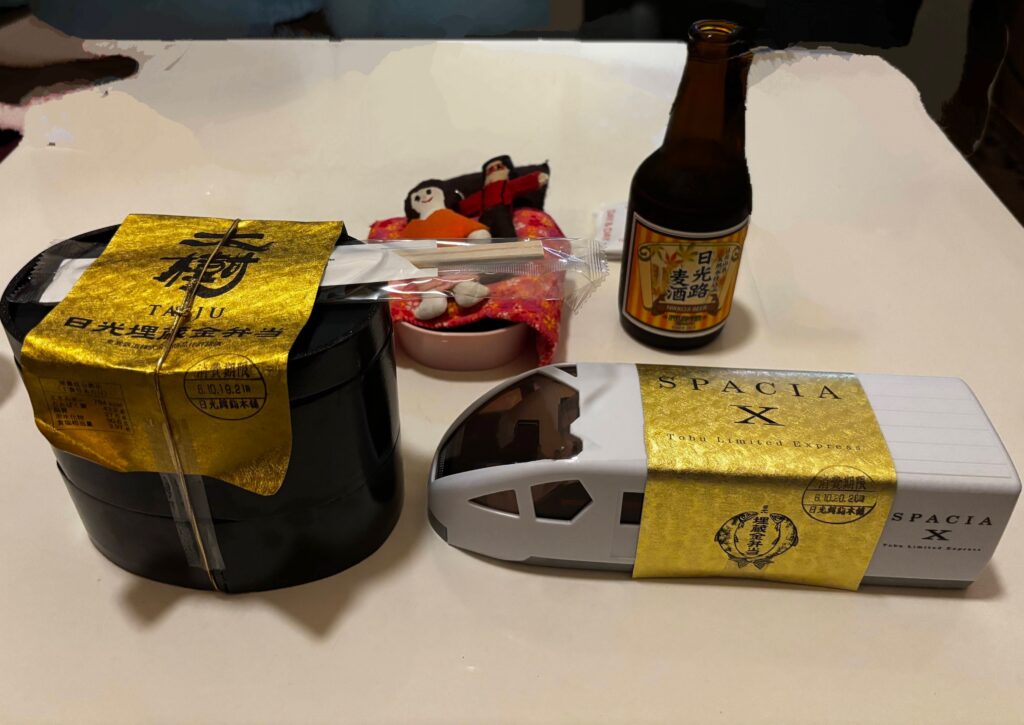
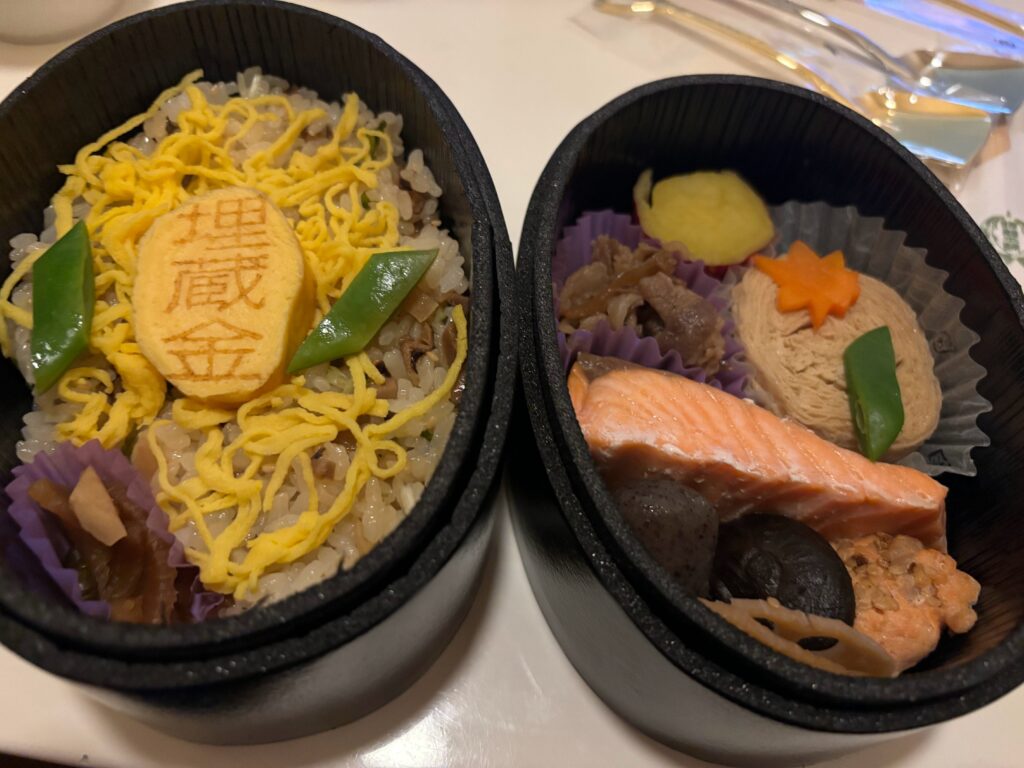
After the visit, we took the bus back to Tobu-Nikko Station, picked up bento boxes for dinner, and headed to our hotel.

Recommended Itinerary for Nikko

TimeActivity
MorningArrive at Tobu-Nikko on Liberty Kegon
MorningDrop luggage at hotel facility near JR Nikko Station
Late morning – middayBus to Nikko Toshogu, explore and worship
EveningPick up bento at Tobu-Nikko Station
EveningCheck in to hotel
Return journeyHead home on Spacia X

The Return Journey — Finally Riding Spacia X!

After a full day of sightseeing, it was finally time for the moment we’d been looking forward to all day: boarding Spacia X. The moment we spotted it on the platform at Tobu-Nikko Station, the excitement was immediate.

The interior lived up to every expectation. The cockpit lounge’s large forward-facing window offers a spectacular view of the track ahead — it genuinely feels like you’re the one driving the train. The box seats have a semi-private feel, making them ideal for group travel.

The exclusive Spacia X café menu available on board is not to be missed either. Enjoying coffee and sweets while the train glides through the countryside was the perfect way to wind down after a full day of exploration. The 1 hour 50 minutes back to Asakusa flew by — that’s how good the journey was.


Thinking of Riding Spacia X?

Spacia X is extremely popular and seats fill up fast — especially the cockpit lounge and box seats, which can sell out well in advance. If you’re planning a Nikko trip, early booking is strongly recommended!

Beyond the Main Street — Exploring the Back Alleys of Gion Festival & a Chance Ride on the Kyototrain!

Gion Festival Has More to Offer Than the Main Boulevard!

Gion Festival is one of Kyoto’s most iconic summer traditions. This time, instead of sticking to the main street, we discovered a whole new way to enjoy the festival — wandering through Kyoto’s narrow back alleys to find the floats and mountain floats tucked away in quieter corners of the city.

Arare Tenjin-yama: A Place That Brought Back Student Memories

Our first stop was Arare Tenjin-yama.

This float is famous for its protective power against fire, and it also happened to be a place I visited during my student days. Revisiting it brought a wave of nostalgia — and yet, looking at it with fresh eyes, I noticed new details I’d never seen before. It reminded me just how deep the history of Gion Festival really runs.

About Arare Tenjinyama: One of the iconic floats of Gion Matsuri, this float is said to have protected the city from a devastating fire in 1582 (the 10th year of the Tensho era). Its chimaki (sacred rice dumplings) are popular as fire-prevention charms and sell out quickly each year.

A New Way to Enjoy Gion Festival — Why the Back Alleys Are Worth Exploring

Here’s what makes wandering the side streets such a special experience:

  • Fewer crowds than the main boulevard — you can take your time and look properly
  • A warmer, more intimate atmosphere with locals nearby
  • Each float and mountain float has its own unique history and story to discover
  • The contrast between the traditional Kyoto townhouses and the floats makes for stunning photos

The back alleys of Gion Festival are a hidden gem — and one we’d highly recommend adding to your itinerary.

Kikusui-hoko: Another Highlight Along the Way

Next, we stopped by Kikusui-hoko. Unlike the famous floats lining the main street, the floats and mountain floats tucked into the side streets have a quietly different atmosphere.

Walking these narrow lanes, you can feel the living culture of the festival — lovingly preserved and carried forward by the local community, generation after generation.

Kikusui-hoko is one of the floats in the Gion Festival’s Sakimatsuri (front festival). It takes its name from the Noh play “Kiku Jido” and is said to grant the blessing of longevity. Original Kikusui-hoko tea and sweets are also sold on the float itself.

Things to Know Before Visiting Gion Festival

Gion Festival runs throughout the entire month of July, from the 1st to the 31st. The highlight events are the Sakimatsuri yamahoko procession on July 17th and the Atomatsuri procession on July 24th — but the Yoiyama evenings (the nights before the processions) are also incredibly lively, with food stalls and float displays filling the streets.

Tips for your visit:

  • Wearing a yukata (summer kimono) adds to the atmosphere and is highly recommended
  • If you want to avoid the biggest crowds, weekday mornings are your best bet
  • Some floats offer paid boarding experiences — well worth trying if you get the chance
  • Chimaki (protective rice dumpling charms) sold at each float make wonderful souvenirs

On the Way Home — A Chance Encounter with the Kyototrain!

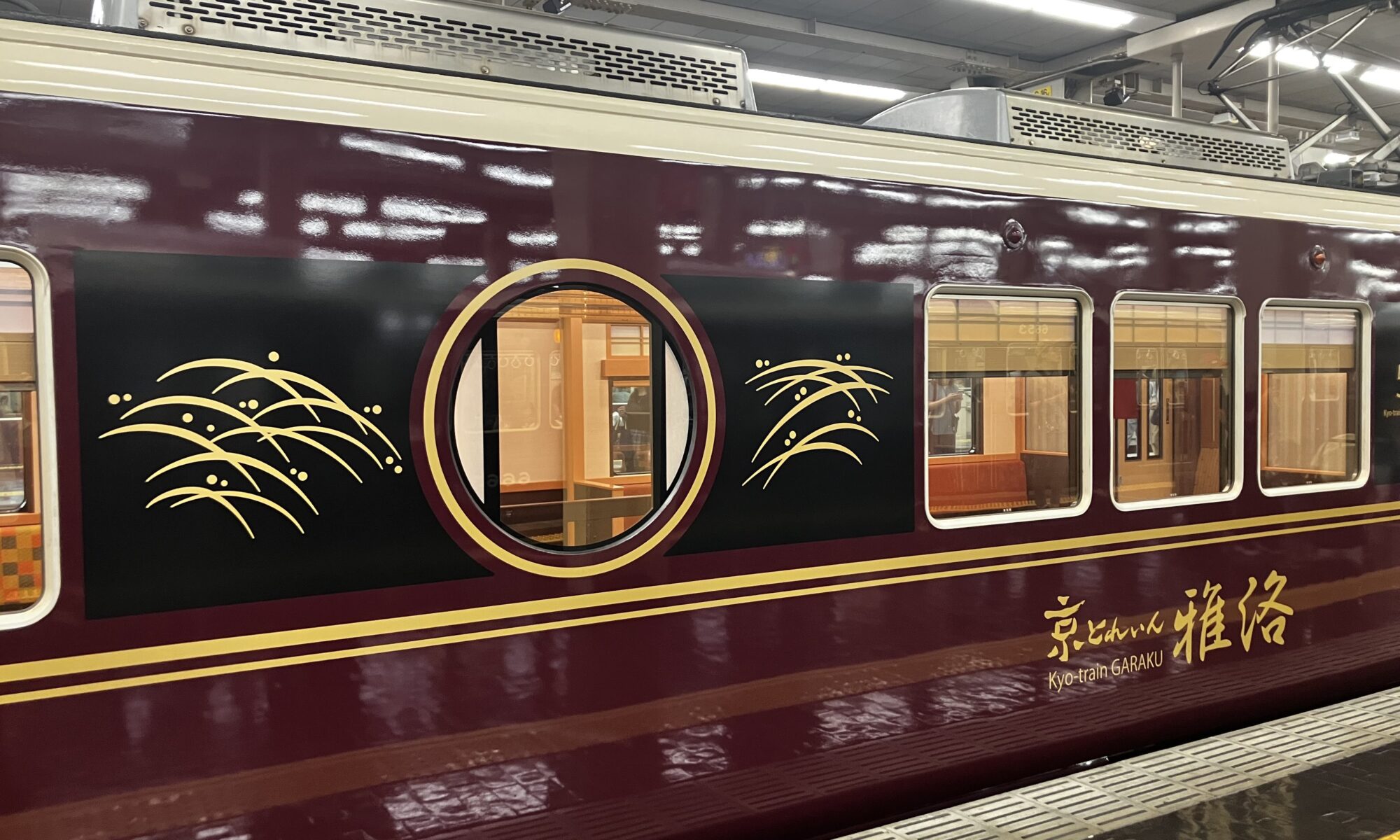
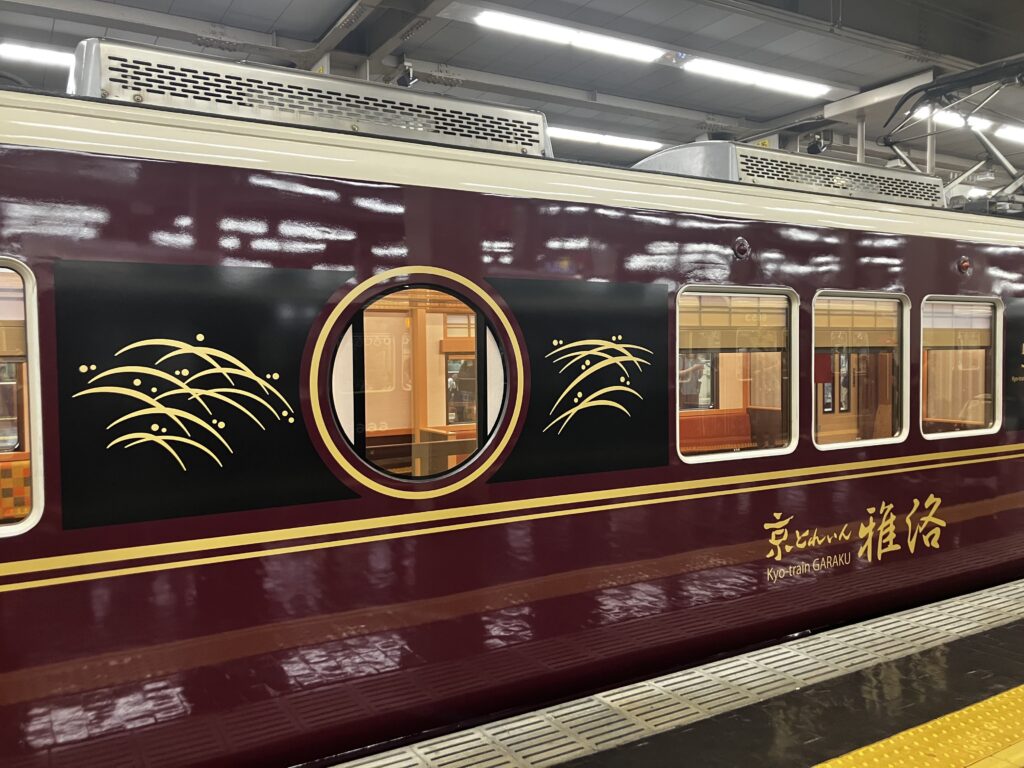
After finishing our stroll, we were heading home when we stumbled upon the Kyototrain — and somehow managed to get on board!

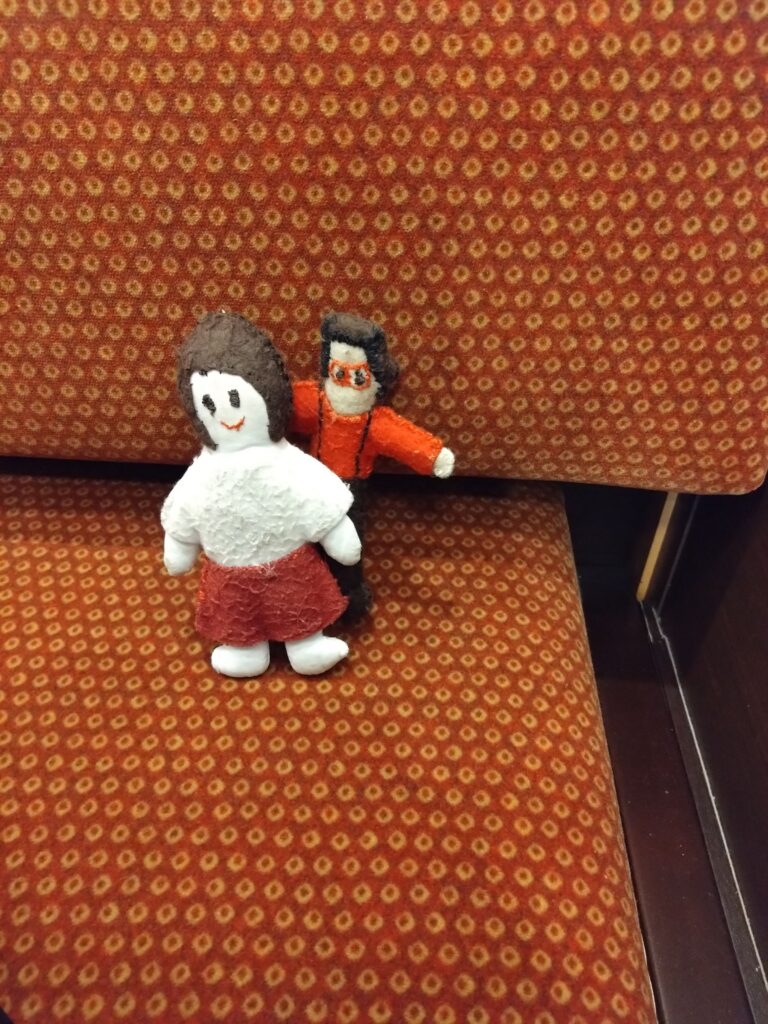
This was a train I’d always wanted to ride. The beautiful Japanese-inspired interior design, evoking the changing seasons throughout the carriages, was everything I’d hoped for. Even the Mascots were unusually quiet, clearly soaking in the atmosphere (laughs).

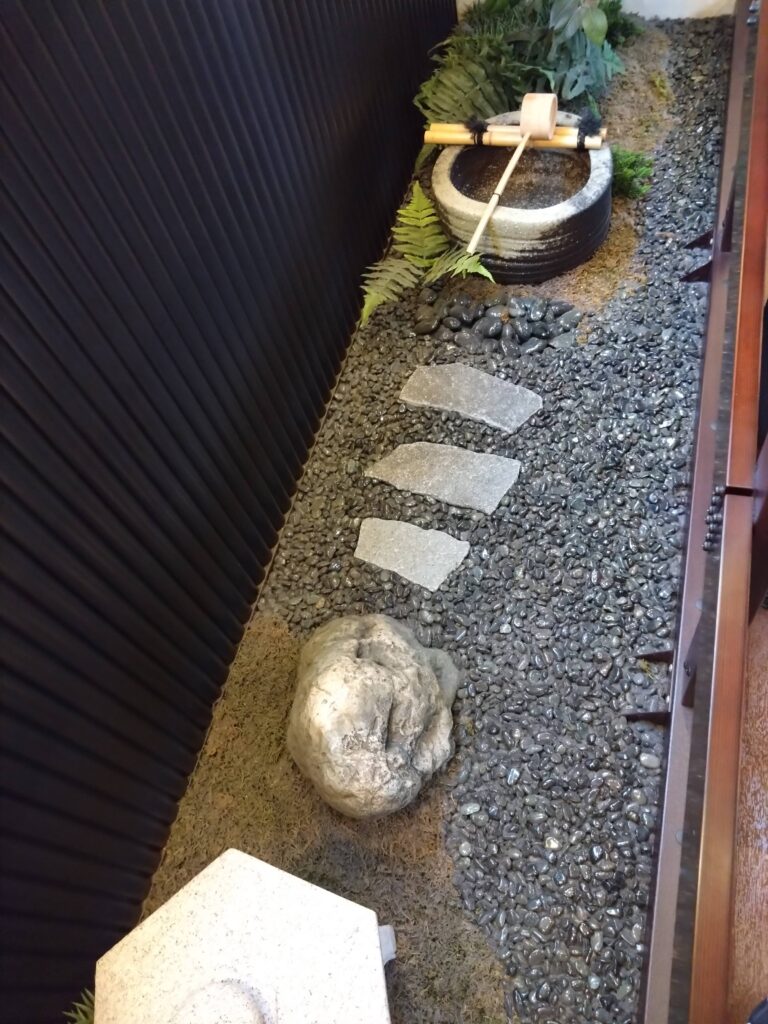
Each carriage features a different interpretation of traditional Japanese aesthetics — from a karesansui dry garden space to wooden bench seating reminiscent of a traditional engawa veranda. The BGM playing softly through the carriages was equally Japanese in feel, making the whole journey feel like an extension of Kyoto itself.

Stumbling onto the Kyototrain at exactly the right moment felt like the perfect reward to round off the day. With the lingering warmth of Gion Festival still in our hearts, we made our way gently back to Osaka. Next time, I’d love to plan the trip around the train schedule so we can enjoy the full experience from start to finish.

The Kyototrain is a sightseeing train operated by Hankyu Railway. Themed around traditional Japanese aesthetics, each carriage features a different seasonal landscape. It runs mainly on weekends and public holidays between Osaka-Umeda and Kyoto-Kawaramachi. Check the schedule in advance before your visit.

Recommended Itinerary: Gion Festival + Kyototrain

TimeActivity
MorningArrive in Kyoto, begin back-alley festival stroll
Late morningVisit Arare Tenjin-yama, Kikusui-hoko and more
MiddayLunch at a Kyoto restaurant
AfternoonContinue exploring the side-street floats
EveningBoard the Kyototrain from Hankyu and head back to Osaka

Summary: Gion Festival Back Alleys + Kyototrain — The Perfect Kyoto Summer Combination

HighlightWhat Made It Special
Arare Tenjin-yamaFire-protection charm, nostalgic memories from student days
Kikusui-hokoLongevity blessing, quiet side-street atmosphere
Kyoto back alleysA hidden, unhurried way to experience Gion Festival
KyototrainJapanese-inspired interior, soaking in the Kyoto afterglow

Gion Festival takes place every July. The Yoiyama evenings and yamahoko processions are especially crowded, so book your accommodation well in advance!

New Year’s Visit to Ohatsu Tenjin & Kabuki at Minami-za | Experiencing the Real Value of Kyoto

New Year’s Visit to Ohatsu Tenjin & Kabuki at Minami-za — Experiencing the Real Thing in 2026

A New Year’s Visit to Ohatsu Tenjin — Just Steps from Higashi-Umeda Station

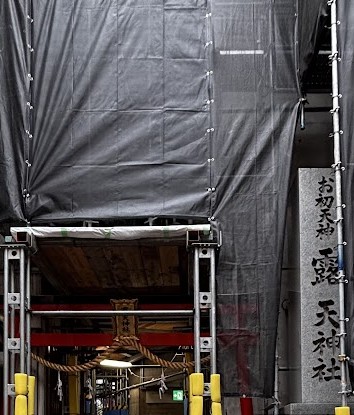
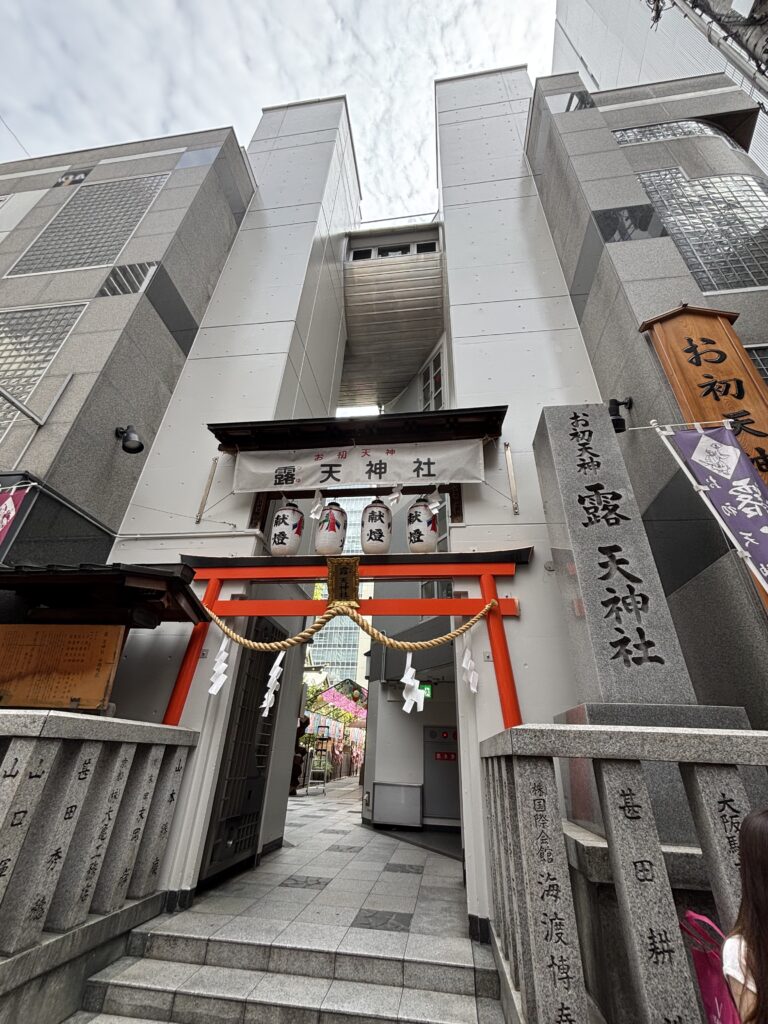
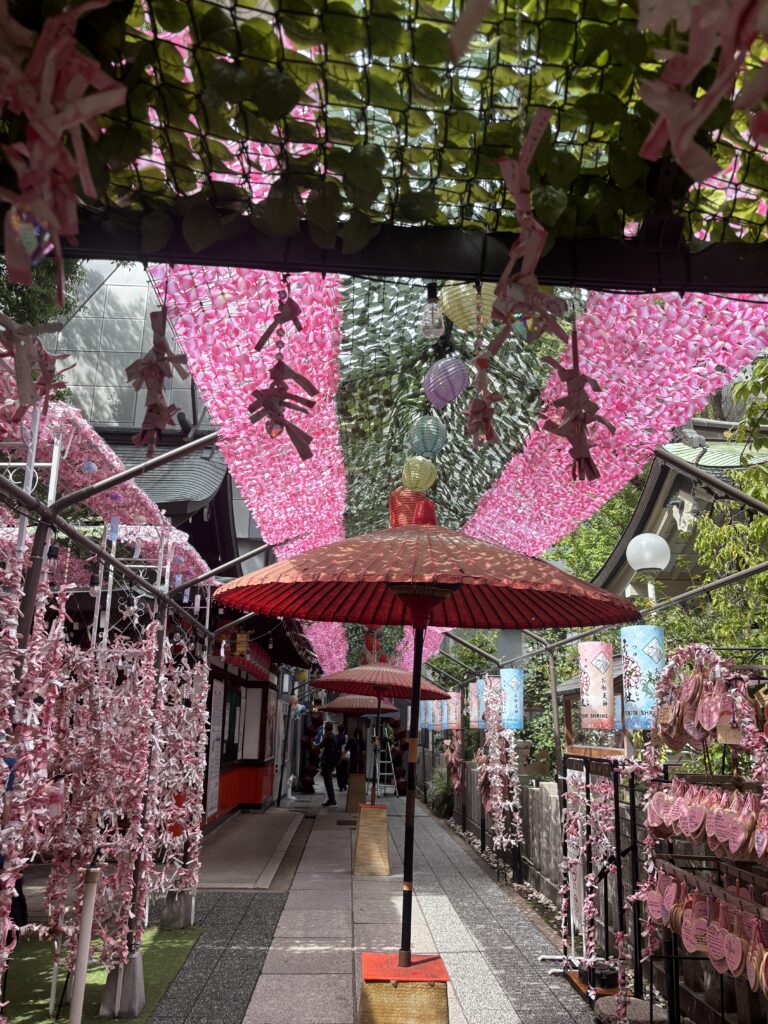
For the first shrine visit of 2026, we headed to Ohatsu Tenjin (Tsuyunoten Shrine) — just a short walk from Higashi-Umeda Station.

Ohatsu Tenjin — formally known as Tsuyunoten Shrine — has a history stretching back approximately 1,300 years. It is famous as the setting of Chikamatsu Monzaemon’s bunraku puppet play “Sonezaki Shinju” (The Love Suicides at Sonezaki), and is also celebrated as a powerful spot for love and marriage blessings.

In the grounds, a statue of Ohatsu and Tokubei — the star-crossed lovers at the heart of Sonezaki Shinju — stands to welcome visitors. The shrine grounds, buzzing with New Year’s worshippers, feel like a quiet sanctuary appearing suddenly in the middle of a busy business district. It’s a strangely magical space that makes you forget the noise of the city entirely.

Ohatsu Tenjin — Basic Information

ItemDetails
Official NameTsuyunoten Shrine
Location2-chome, Sonezaki, Kita-ku, Osaka
AccessApprox. 5 min walk from Higashi-Umeda Station
BlessingsLove, marriage, relationships

The Inspiration — a Film That Changed Everything

The spark for this whole trip was a 2025 film called “Kokuho” (National Treasure), which we finally got around to watching at the end of the year. It moved us deeply — and gave us our goal for 2026: “Make this the year we experience things of real, lasting value.”

The film featured “Sonezaki Shinju” — and the moment we saw it, we knew we had to see it performed live. A quick search turned up a production at Kyoto’s Minami-za theatre, and we booked tickets on the spot.

All Set for Minami-za — First Kabuki in 10 Years

Our last kabuki experience was at the Shinshu Kabuki in Asakusa, Tokyo — a full decade ago. And this would be our first kabuki in the Kansai region, so we made sure to prepare thoroughly. We watched an old film version of Sonezaki Shinju beforehand to make sure we had the story firmly in mind before heading to the theatre.


Walking to Minami-za — Shijo Kawaramachi Observations

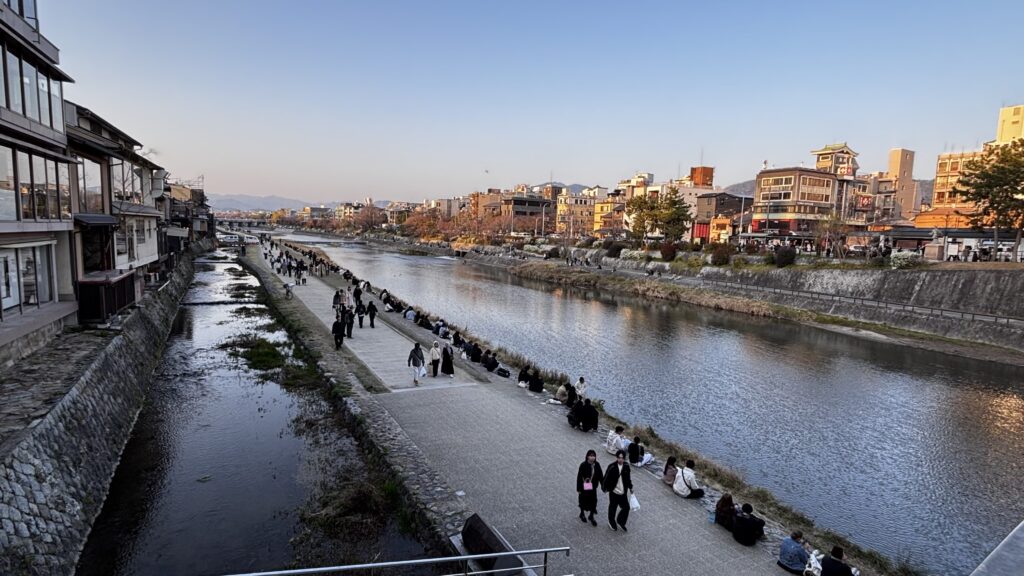
On the way to Minami-za, we walked through Shijo Kawaramachi and noticed couples lined up at regular intervals along the street. A strangely poetic contrast — on our way to see a story of tragic love, surrounded by very much alive and happy modern couples.

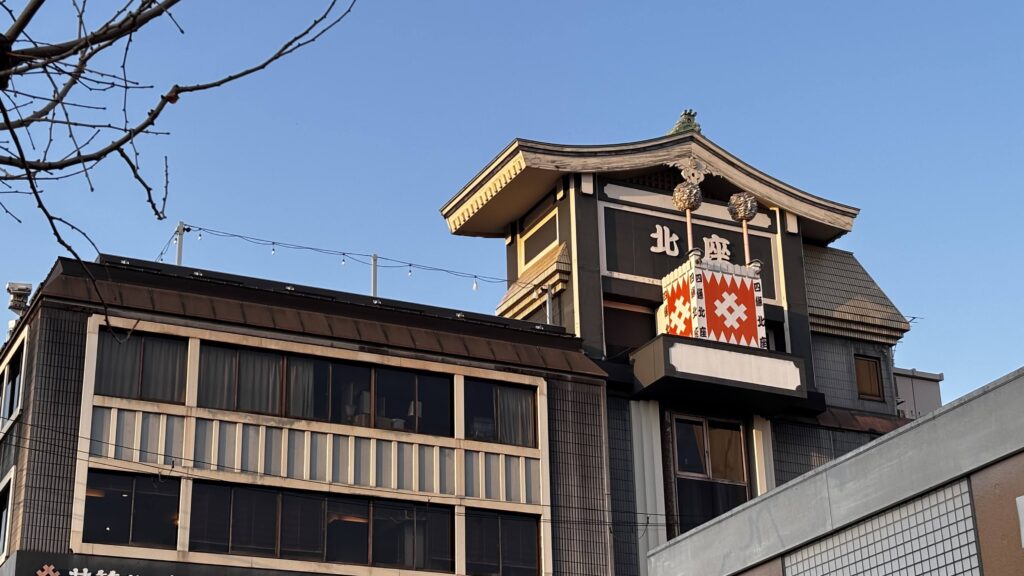
Did you know there’s a building called Kita-za (North Theatre) on the opposite bank from Minami-za (South Theatre)? This area was once lined with numerous theatres and playhouses, and the history embedded in these streets is palpable.

Arriving at Minami-za — Exploring Before the Curtain Rises

Surprise — Minami-za Is a Western-Style Building!

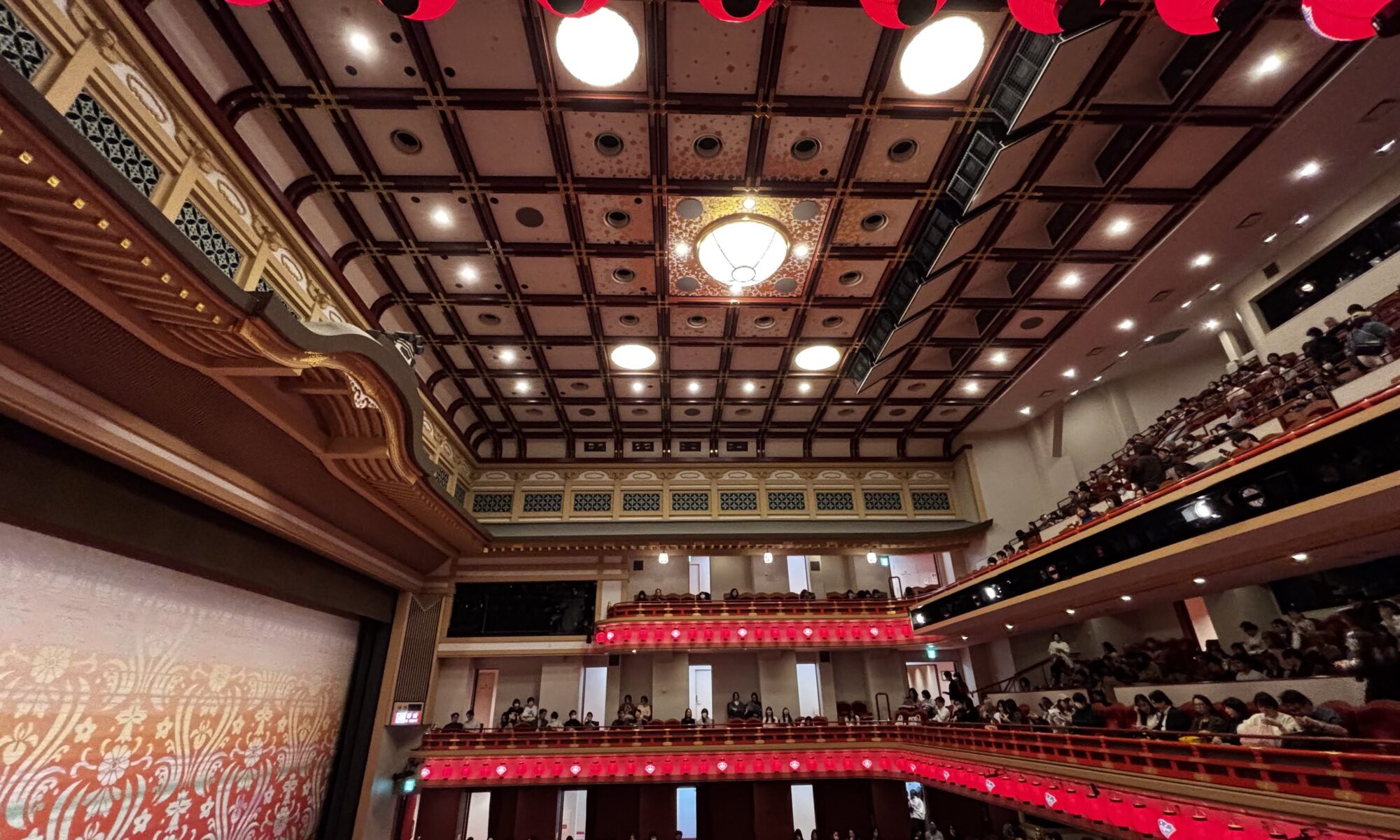
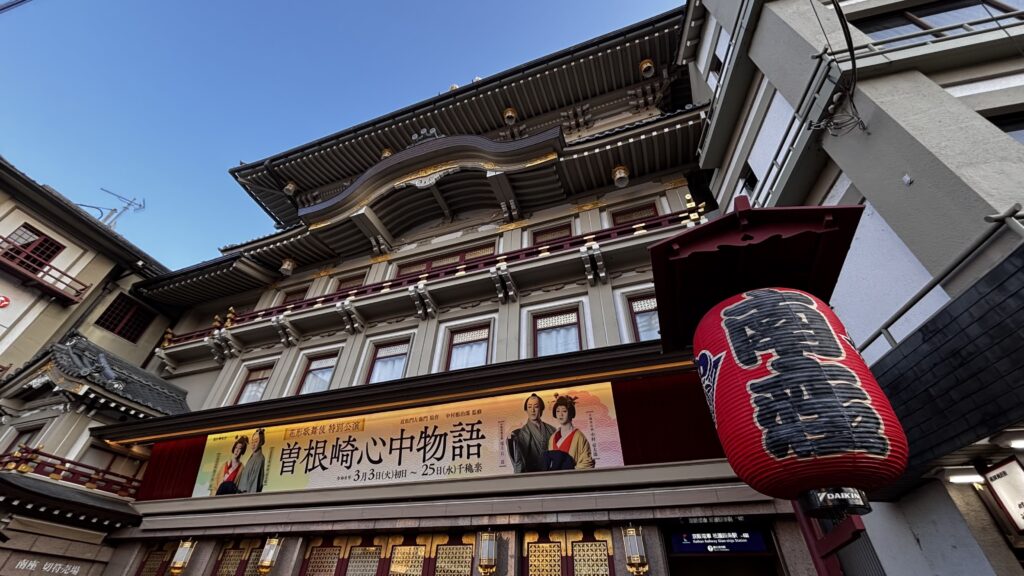
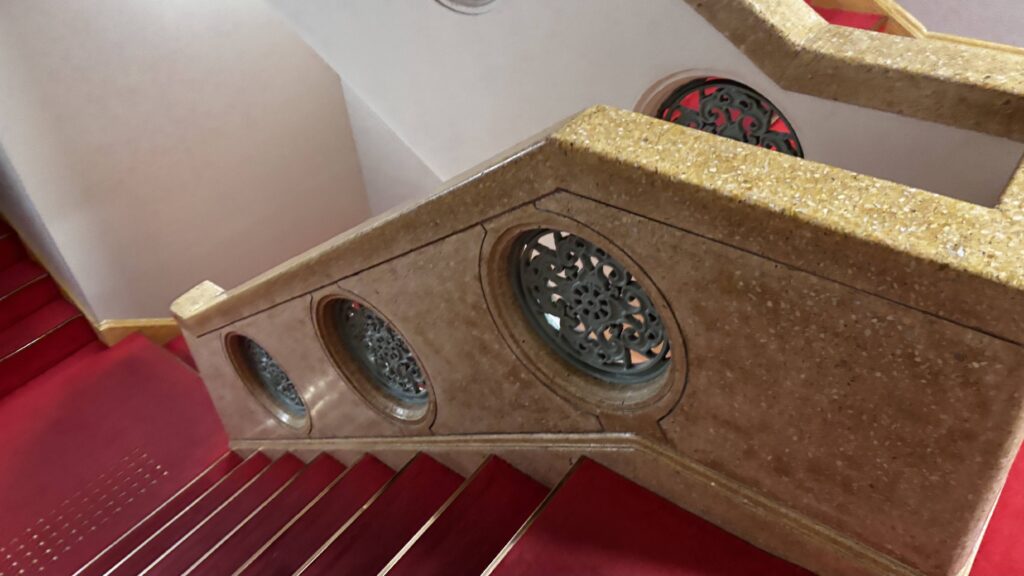
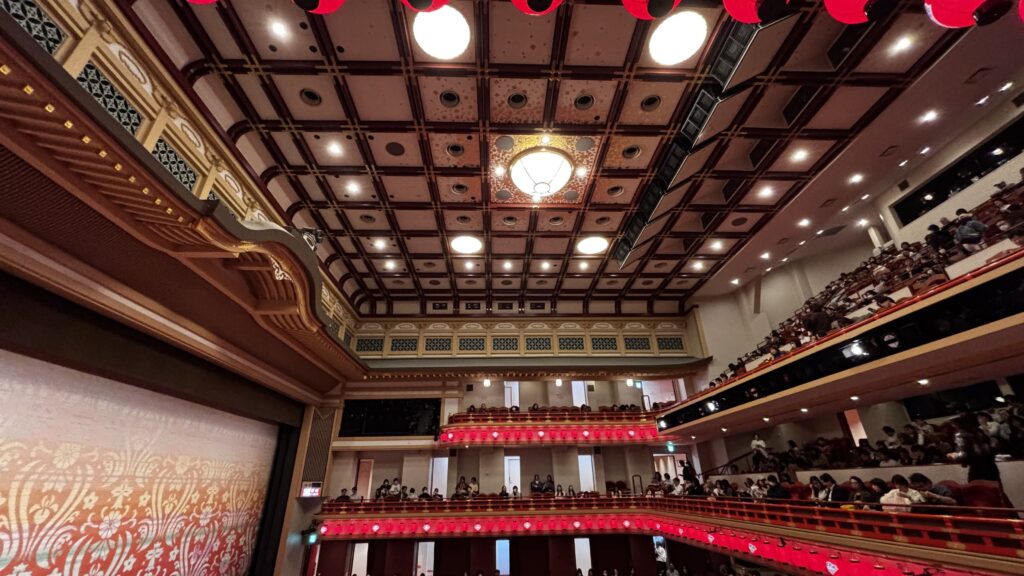
We’d imagined tatami floors and a traditional Japanese interior — but the real Minami-za turned out to be full of Western architectural elements. Designated as an Important Cultural Property, the building is a sight worth exploring inside and out. Even just wandering around before the performance starts is enjoyable in its own right.

Comfortable Seating — Even for Long Performances

Every seat in the house has a chair, and cushions are also provided. The thoughtful touches throughout make it easy to stay comfortable even during long performances, and the environment is welcoming for everyone from young first-timers to older visitors. No experience with kabuki necessary — you’ll be at ease from the moment you arrive.

The performance we saw, “Sonezaki Shinju,” tells the story of Tokubei, an Osaka merchant, and his lover Ohatsu — a tale of ill-fated romance. Using the earphone guide with its modern-language translation makes it easy to follow the story even for first-time kabuki-goers. We’d strongly recommend doing some preparation beforehand — watching a film version or reading a summary really does deepen the experience.

Minami-za is one of Japan’s oldest theaters, located in Shijo-Kawaramachi, Kyoto. It is a nationally registered tangible cultural property, and the building itself is one of the highlights of any visit.

Wait — What About the Trains? Don’t Worry, We Rode Plenty!

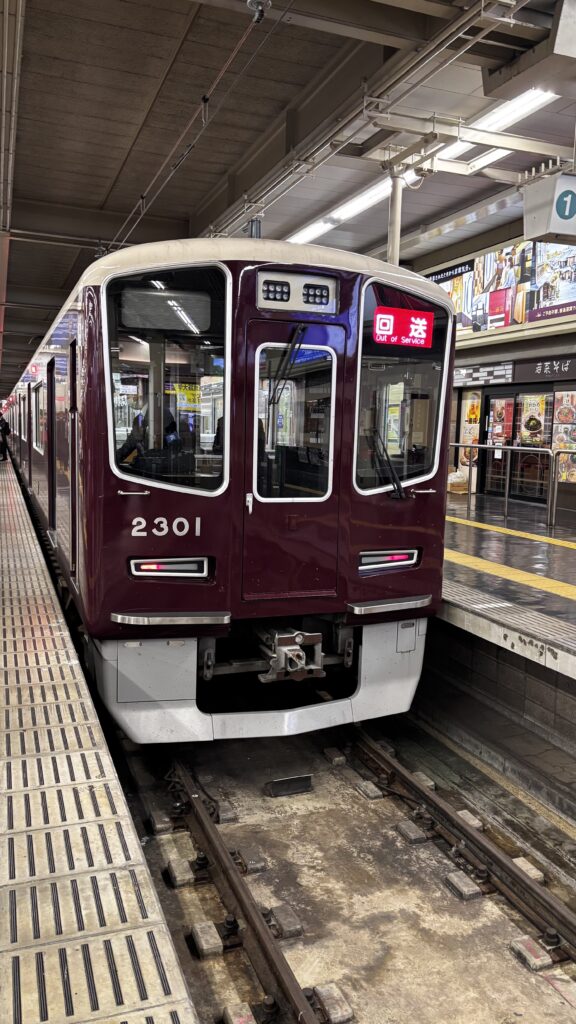
True to our railway travel blog roots, we made sure to get our train fix too. For the journey home, we took the Hankyu Kyoto Line from Kawaramachi back to Umeda. Boarding at Shijo-Kawaramachi Station, we watched the Kyoto streetscape drift past the window as we made our way back to Osaka. The elegant maroon-colored Hankyu carriages made for the perfect close to a Kyoto day.

The Hankyu Kyoto Line connects Osaka-Umeda and Kyoto-Kawaramachi. The limited express takes approximately 43 minutes — fast and convenient. The Hankyu maroon color is one of the most iconic liveries in Japanese railways.

Summary: A Journey in Search of Real, Lasting Value

HighlightWhat Made It Special
Ohatsu TenjinThe setting of Sonezaki Shinju — a love shrine with 1,300 years of history
Minami-zaAn Important Cultural Property theatre with comfortable seating
Shijo KawaramachiHistoric streets, the site of Kita-za, modern romance on display
Hankyu Kyoto LineElegant maroon carriages — the perfect end to a Kyoto trip

Using a film or a piece of literature as the starting point for a trip is one of the most rewarding ways to travel. The quest to experience things of real, lasting value — it continues through 2026!

Riding the Tokaido Shinkansen N700S for Work | How to See Mount Fuji from Your Seat

March–April: Peak Season for Shinkansen Business Travel

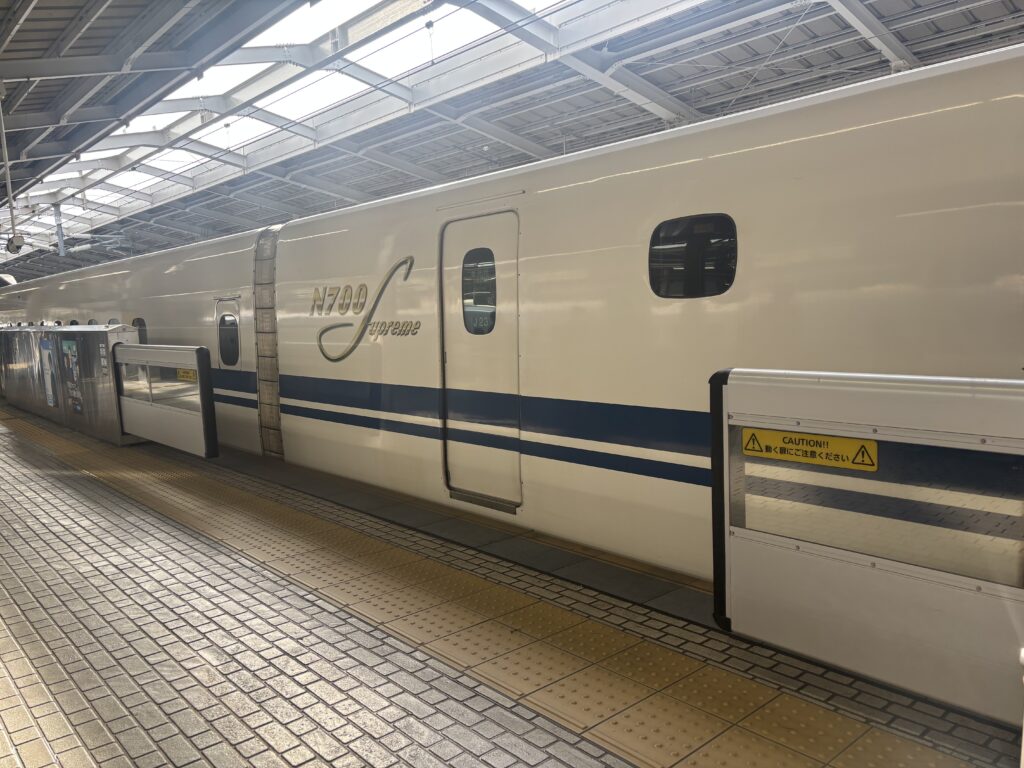
Due to the nature of my work, business trips increase between March and April, which means more opportunities to ride the Tokaido Shinkansen N700S. Car 7 is my go-to choice for business travel — but during this season, there’s a hidden bonus even for railway enthusiasts!

Want to See Mount Fuji? Go for Seat “E”!

Seat selection is everything when it comes to spotting Mount Fuji from the Shinkansen.

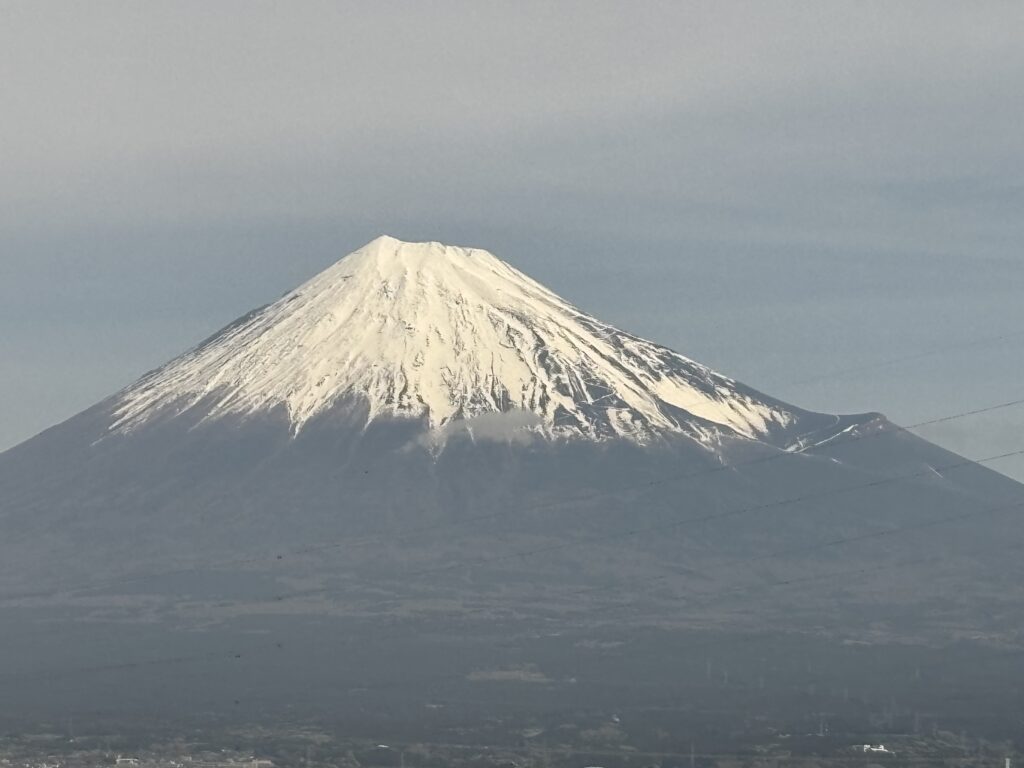
If you’re traveling from Tokyo, book a window seat on the left side of the train — Seat “E”. As the train passes through Shizuoka Prefecture, you may be treated to a breathtaking view of Mount Fuji right outside your window.

Best spot to see Mount Fuji: The stretch between Shin-Fuji Station and Shizuoka Station offers the best views. Winter through early spring, when the air is clear, gives you the best chance of a stunning, unobstructed view.

A Special Announcement Interrupted My Work!

During one recent business trip, I was heads-down working when suddenly an announcement came over the speakers:

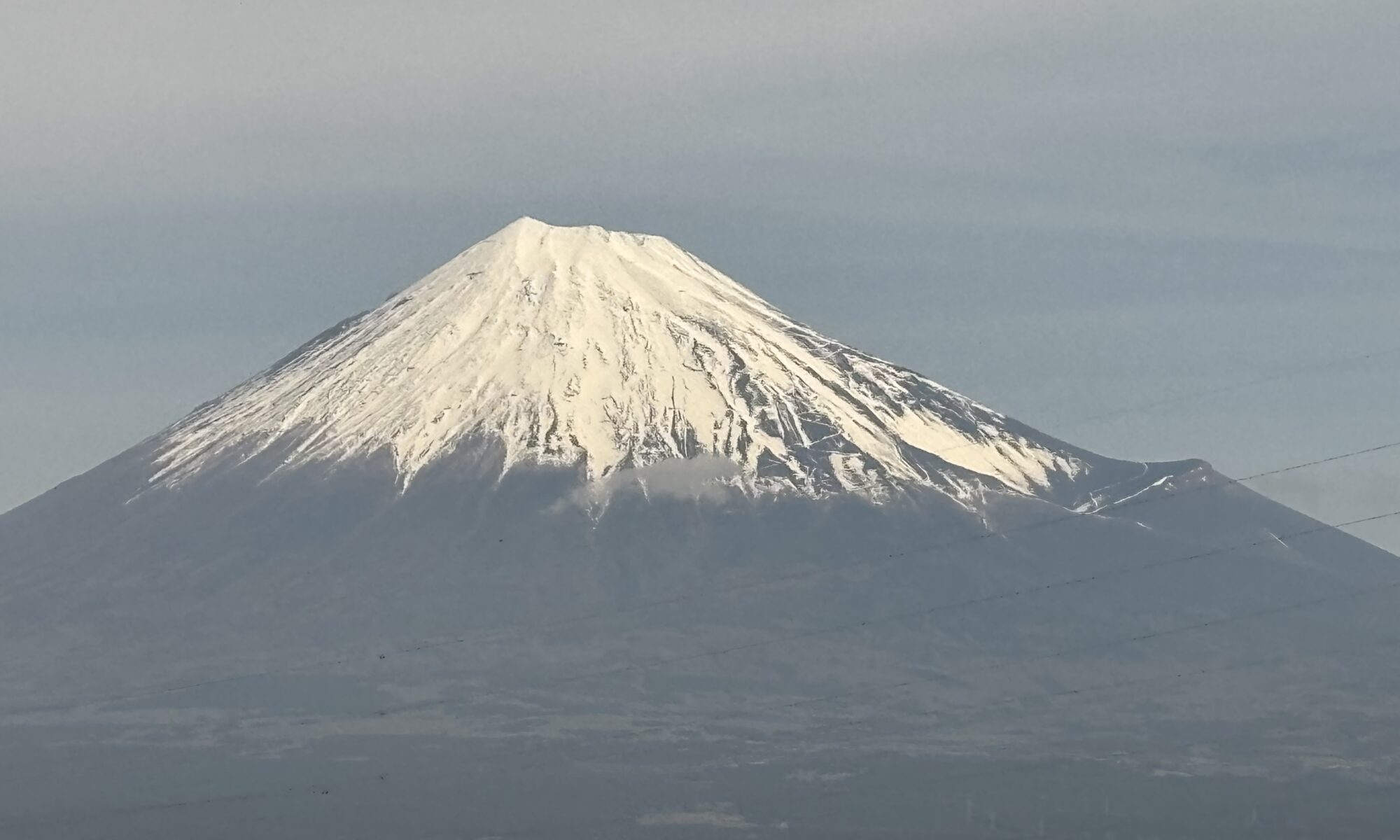
“Mount Fuji can be seen beautifully on the left side of the train.”

I immediately grabbed my camera and snapped a shot — totally worth the interruption! (laughs)

This announcement only plays when conditions are just right, so the moment you hear it, don’t hesitate — point your camera to the left!

Seated in Seat E, it was finally time for our mascots to meet Mount Fuji. They pressed their faces against the window, gazing intently — and then came the comment: “That mountain is wearing a hat!” They had mistaken the snow on the summit for a hat. For our mascots, who aren’t used to seeing snow, it was a perfectly natural conclusion. And honestly, once they said it, you can’t unsee it — Mount Fuji’s silhouette with its white snow cap does look rather like a mountain wearing a hat. Sometimes a fresh pair of eyes is all it takes to see something magical in the familiar.

Why Car 7 is Perfect for Business Travelers

Car 7 has a calm, professional atmosphere that’s popular among business travelers. With power outlets at every seat and extra-wide tray tables, it’s perfectly set up for getting work done on the go. Book Seat E and you’ll have the best of both worlds — a productive workspace and a front-row seat for Mount Fuji!

About the N700S: Debuting in 2020, the N700S is the latest Tokaido Shinkansen model. Every seat has a power outlet, Wi-Fi is available throughout, and the ride quality has been significantly improved — making even long business trips comfortable.

Quick Guide: Tips for Spotting Mount Fuji from the Shinkansen

TipDetails
Best seatSeat E (left window seat, Tokyo → Osaka direction)
Best sectionBetween Shin-Fuji Station and Shizuoka Station
Best seasonWinter to early spring (clearest air)
Best time of dayMorning (clouds tend to build up in the afternoon)

Easy Seat Selection with Smart EX

The Smart EX app is the most convenient way to book seats on the Tokaido Shinkansen. You can easily select the E seat directly from your smartphone, and changes are allowed right up until just before departure — a huge plus for busy business travelers.

Key benefits of Smart EX:

  • Free to register and use
  • Choose your preferred seat (including the E seat) easily from the app
  • Reservations, changes, and cancellations accepted up to 6 minutes before departure
  • Compatible with Mobile Suica for a seamless boarding experience

If you want to make sure you catch Mt. Fuji, book your E seat the day before your trip to be safe.


Beyond Mt. Fuji: Other Scenic Highlights from the Tokaido Shinkansen

Mt. Fuji isn’t the only thing worth looking out for on the Tokaido Shinkansen. There are plenty of other scenic spots to enjoy along the way.

Lake Hamana (Shizuoka Prefecture)
As the train crosses the bridge over Lake Hamana, you’re treated to a beautiful view of its blue waters contrasting with the bridge. Especially stunning on a clear day.

Nagoya Castle (Aichi Prefecture)
Near Nagoya Station, on a good day you may be able to spot the main tower of Nagoya Castle from the window — a fun little discovery during the journey.

Rokko Mountains (Hyogo Prefecture)
As you approach Shin-Osaka, the ridgeline of the Rokko Mountains comes into view, signaling your arrival in the Kansai region.

The Tokaido Shinkansen isn’t just a way to get from A to B — it’s a journey in itself. Next time you’re on a business trip, take a moment to look out the window. You might be surprised by what you find.

N700S Basic Information

ItemDetails
Debut Year2020
RoutesTokaido & Sanyo Shinkansen
Top Speed285 km/h
NicknameNone (N700S is the official name)
FeaturesPower outlets at every seat, improved braking system, smoother ride

Summary | Don’t Forget to Enjoy the Journey, Even on a Business Trip!

Simply booking Seat E could reward you with a stunning view of Mount Fuji — even on a busy work trip. Keep this in mind for your next Shinkansen reservation!

Riding Gran Class on the Hayabusa — Two Hours of Pure Luxury on the Tohoku Shinkansen

What You’ll Learn from This Article

  • What’s included in Gran Class service (drinks, food, attendant service)
  • How to buy Morioka’s famous jajamen as a souvenir
  • Recommended souvenir bread you can pick up at Tokyo Station

Kakunodate → Morioka: Enjoying the Tohoku Scenery on the Komachi

To wrap up our journey, we boarded the Komachi from Kakunodate Station, heading for Morioka. As the Tohoku summer landscape rolled past the window, our thoughts turned to jajamen — Morioka’s beloved local noodle dish — waiting for us at our next stop.

Kakunodate is known as the “Little Kyoto of Tohoku” — a beautifully preserved castle town famous for its samurai district and stunning cherry blossom-lined streets. It’s one of the most popular stopovers on any Tohoku itinerary. From the window of the Komachi, the lush mountains and green rice paddies of Tohoku stretched out as far as the eye could see, offering a peaceful, unhurried atmosphere that made the hustle of city life feel very far away.

💡 Book Komachi & Hayabusa tickets early for the best deals!
Early-bird tickets on “Ekinet” and travel booking sites can save you up to 35% off the regular fare.


Morioka’s Famous Jajamen Had a Long Queue — Good Thing We Got the Souvenir Version!

No trip to Morioka is complete without jajamen. The Mascots were practically dragging us to the restaurant — but with a tight transfer window, the long queue made it impossible. And honestly? That turned out to be the right call.

The souvenir jajamen kit we picked up at the station lets you recreate that authentic Morioka flavor right at home.


Riding Gran Class on the Hayabusa — Two Hours of Pure Luxury

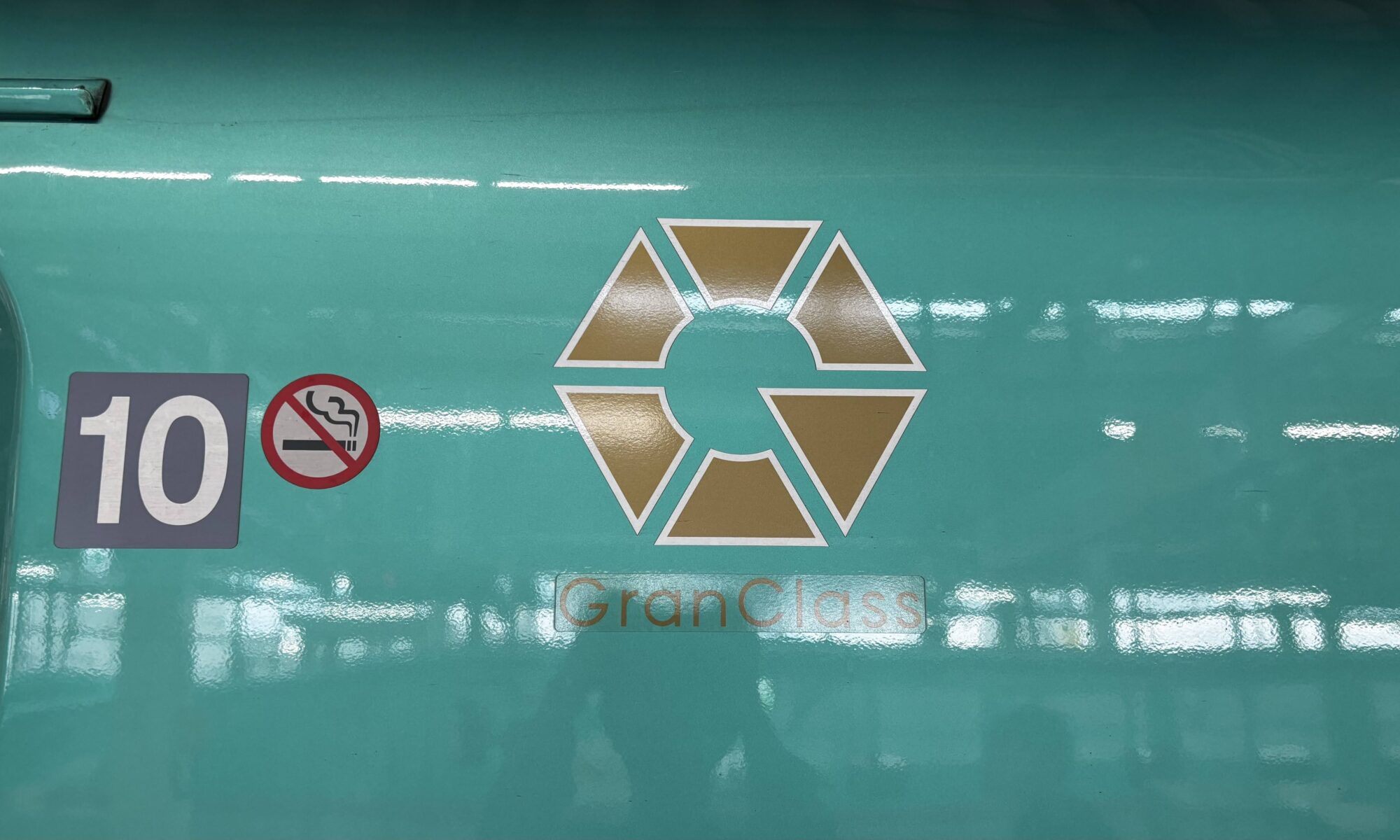
And now, the main event: Gran Class. Last year we managed just 10 minutes on board — this time, we finally got the full two-hour experience we’d been dreaming of!

The Seats and Cabin Environment

The electric reclining seats lean back to nearly flat, with generous space between rows — it genuinely feels like the first-class cabin of an airplane. After a full day of travel, the last thing you feel is tired.

Attentive Service from the Dedicated Attendant

Here’s what the Gran Class attendant provided during our journey:

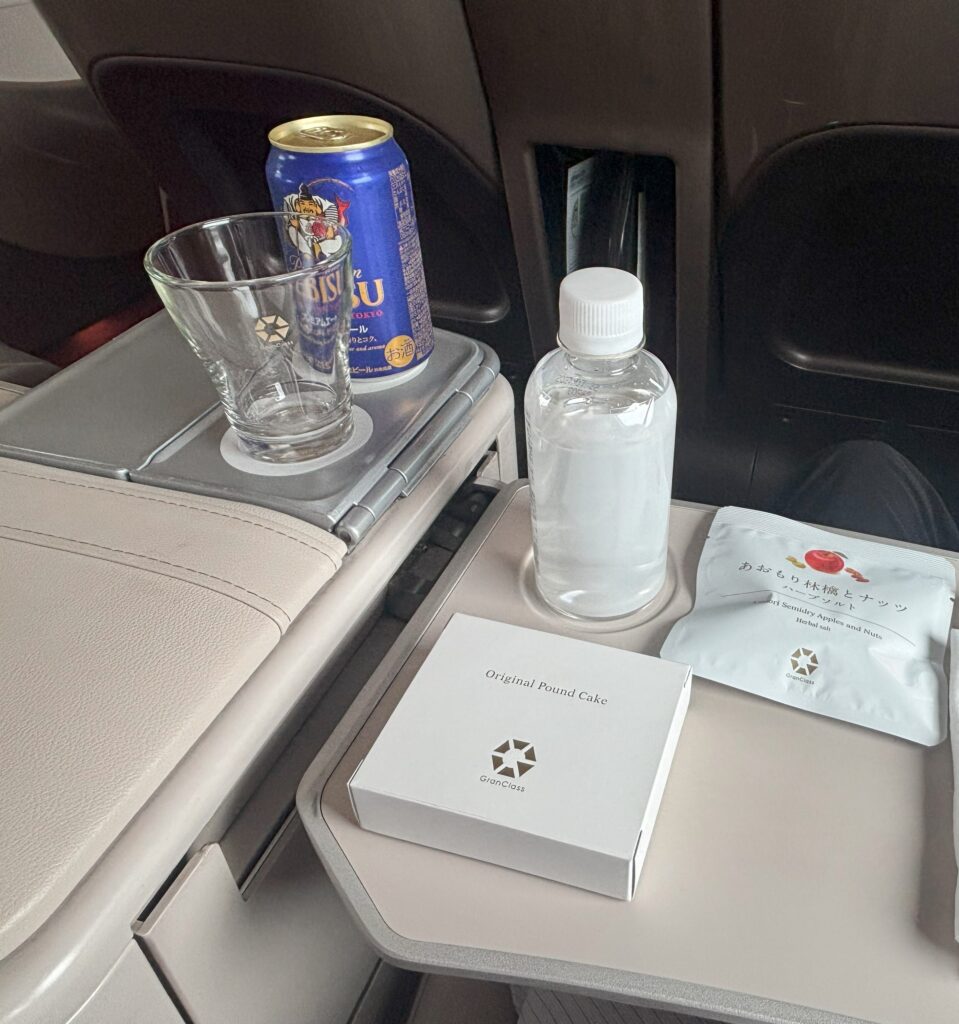
  • Drink service (alcoholic and non-alcoholic options)
  • Dessert service

With a full two hours on board, we received the complete Gran Class experience — a world away from our 10-minute taster last time.

Gran Class also comes with a dedicated amenity set, including slippers and a blanket — thoughtful touches that make the experience feel truly complete. There’s also generous storage space around the seat, so you can keep your belongings organized and travel without feeling cramped. Simply upgrading your return journey to Gran Class is enough to elevate the entire trip to a whole new level.

How much does Gran Class cost?
Gran Class requires an additional surcharge on top of the standard reserved seat fare. Early booking can bring the price down — compare options on the JR official site or travel booking platforms.


A 30-Minute Delay at Tokyo Station → The Perfect Excuse to Hunt Down the “Toyo-ken Black Curry Bread”

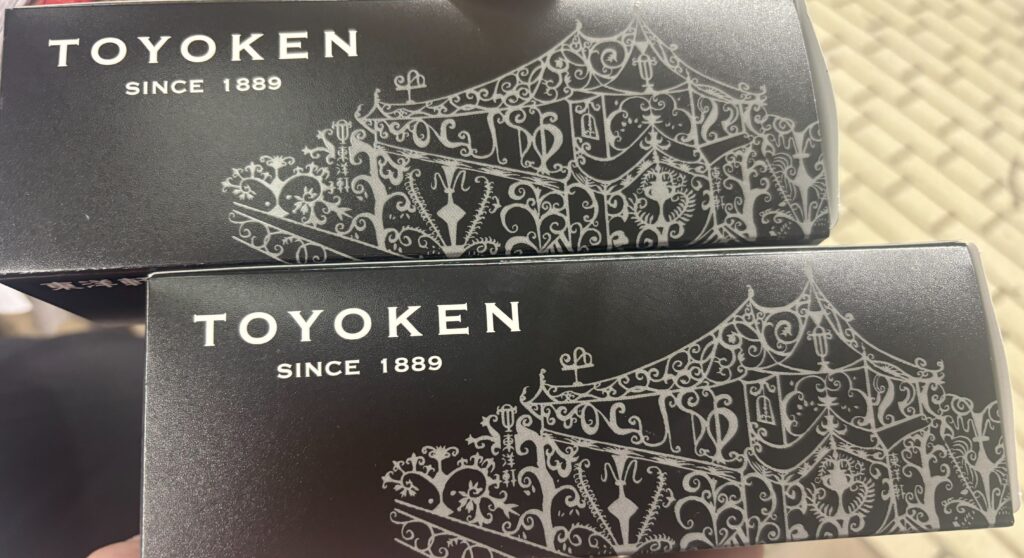
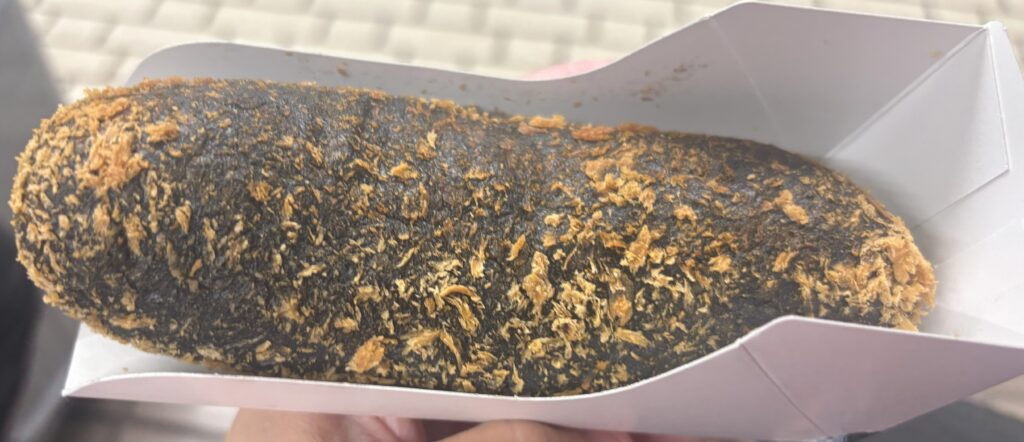
Heavy rain caused a delay of over 30 minutes — but it turned out to be a blessing in disguise. We suddenly had plenty of time to track down the famous Toyo-ken Black Curry Bread at Tokyo Station.

Crispy pastry filled with a rich, spicy black curry — this bread is the perfect companion for any Tokaido Shinkansen journey. If you find yourself with time to spare at Tokyo Station, it’s absolutely worth seeking out.

The Toyo-ken Black Curry Bread is available at GranSta inside Tokyo Station. It sells out quickly, so morning is the best time to grab one.


A Final Ride on the N700S to Round Off the Journey

By the time we boarded the Tokaido Shinkansen, the Mascots had quietly drifted off to sleep. Their peaceful expressions said it all — a journey well and truly enjoyed (laughs).

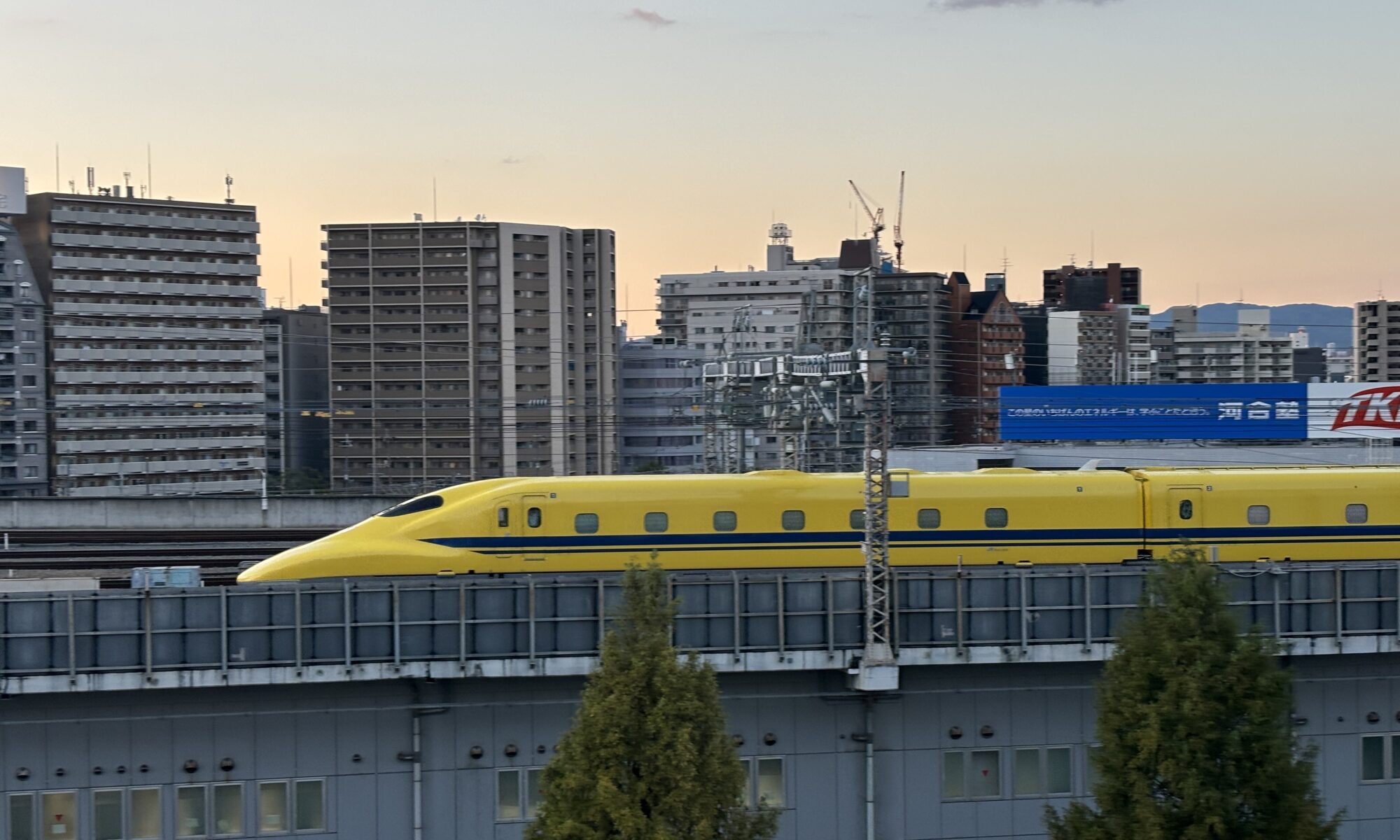
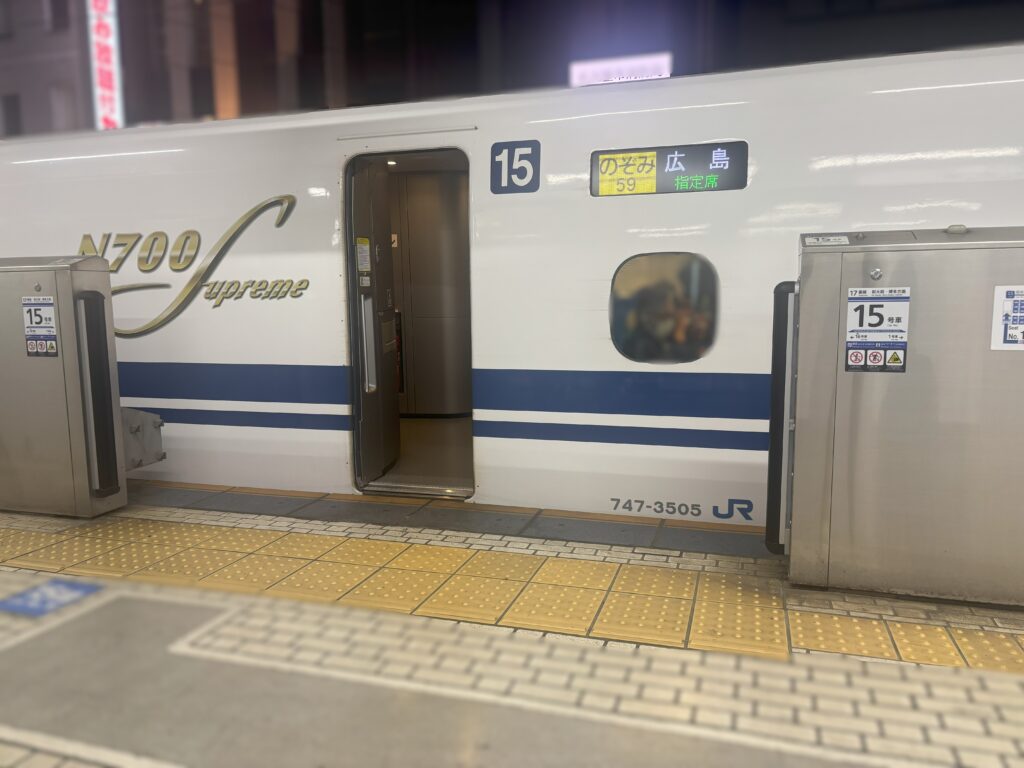
Our final train happened to be a JR West N700S — the very latest model. Ending the trip on the newest Shinkansen felt like one last bonus for any railway fan.


Summary: Gran Class on the Tohoku Shinkansen — The Ultimate Way to Refresh

LegTrain
Kakunodate → MoriokaKomachi
Morioka → TokyoHayabusa (Gran Class)
Tokyo → HomeTokaido Shinkansen N700S

Gran Class might sound like an extravagance — but for journeys of two hours or more, the full service experience makes it surprisingly good value. It’s especially perfect for the journey home when travel fatigue has set in.

If you’re planning your next Tohoku trip, booking accommodation and transport together can help keep costs down.

Final Leg: Tokaido Shinkansen N700S