
Gion Matsuri Is More Than Just the Main Streets!
Gion Matsuri — Kyoto’s iconic summer festival. This time, instead of sticking to the main boulevards, we discovered a wonderful new way to experience the festival: strolling leisurely through Kyoto’s narrow side streets, seeking out the lesser-known floats and portable shrines tucked away in the alleyways.
Arare Tenjinyama — Memories from Student Days Come Flooding Back
Our first stop was Arare Tenjinyama (霰天神山).
Famous for its fire-prevention blessing, this float is a place I visited during my student days — and returning to it brought back a wave of nostalgia. Looking at it again with fresh eyes, I noticed new details I had missed before, and felt a deeper appreciation for the rich history of Gion Matsuri.
About Arare Tenjinyama: One of the iconic floats of Gion Matsuri, this float is said to have protected the city from a devastating fire in 1582 (the 10th year of the Tensho era). Its chimaki (sacred rice dumplings) are popular as fire-prevention charms and sell out quickly each year.
A New Way to Enjoy Gion Matsuri | Why Side Street Strolling Is the Hidden Gem
Here’s what makes exploring the side streets so special:
- Fewer crowds — you can take your time and really look
- Closer to locals — a warm, community atmosphere that the main streets can’t offer
- Each float tells a unique story — discover different histories and legends at every turn
- Perfect for photos — the contrast of traditional Kyoto townhouses (machiya) against the floats is stunning
The side streets of Gion Matsuri are truly a hidden gem — don’t miss them!
Kikusui Hoko — Discovering More of Gion Matsuri’s Depth
Next, we stopped by Kikusui Hoko (菊水鉾). Unlike the famous floats lining the main streets, the floats and shrines tucked into the side alleys have a quiet, intimate atmosphere all their own.
Walking these narrow lanes, you can truly feel the living culture of a festival that local communities have lovingly preserved for generations.
About Kikusui Hoko: One of the floats in the Gion Matsuri Sakimatsuri procession, its name derives from the Noh play “Kiku Jido.” It is said to bring the blessing of longevity. Original Kikusui Hoko tea and sweets are also sold on the float itself!
On the Way Home — We Finally Got to Ride the Kyo-train!
Just as we were heading home after a full day of exploring, we stumbled upon the Kyo-train (京とれいん) — a train I had been wanting to ride for a long time!
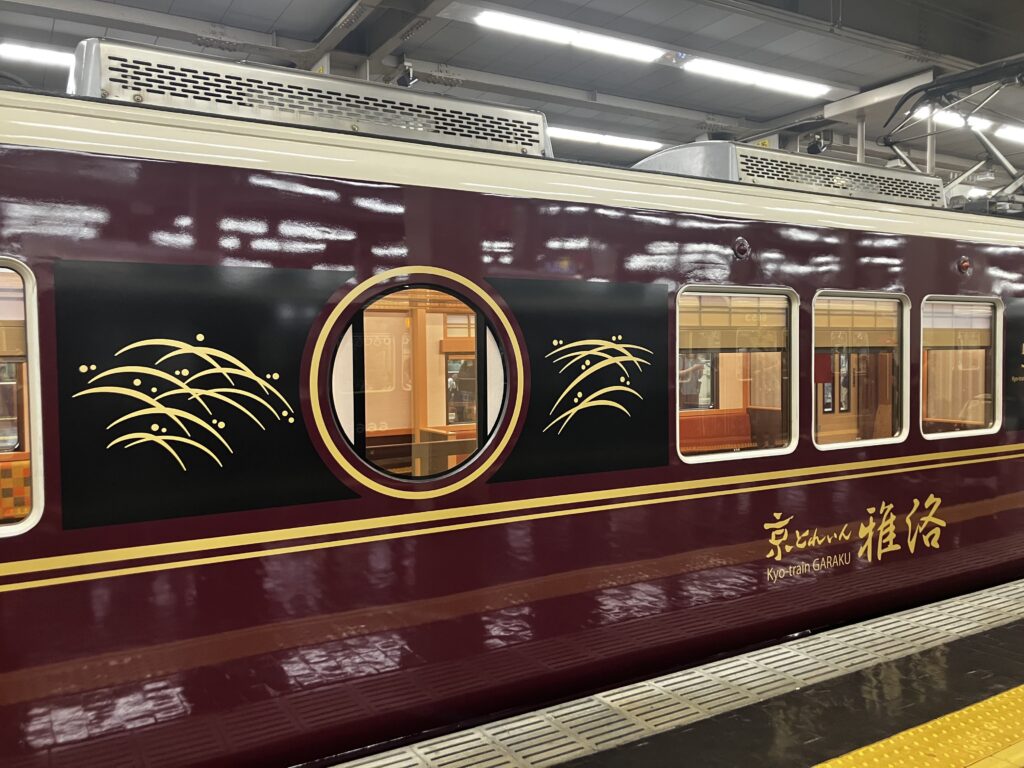
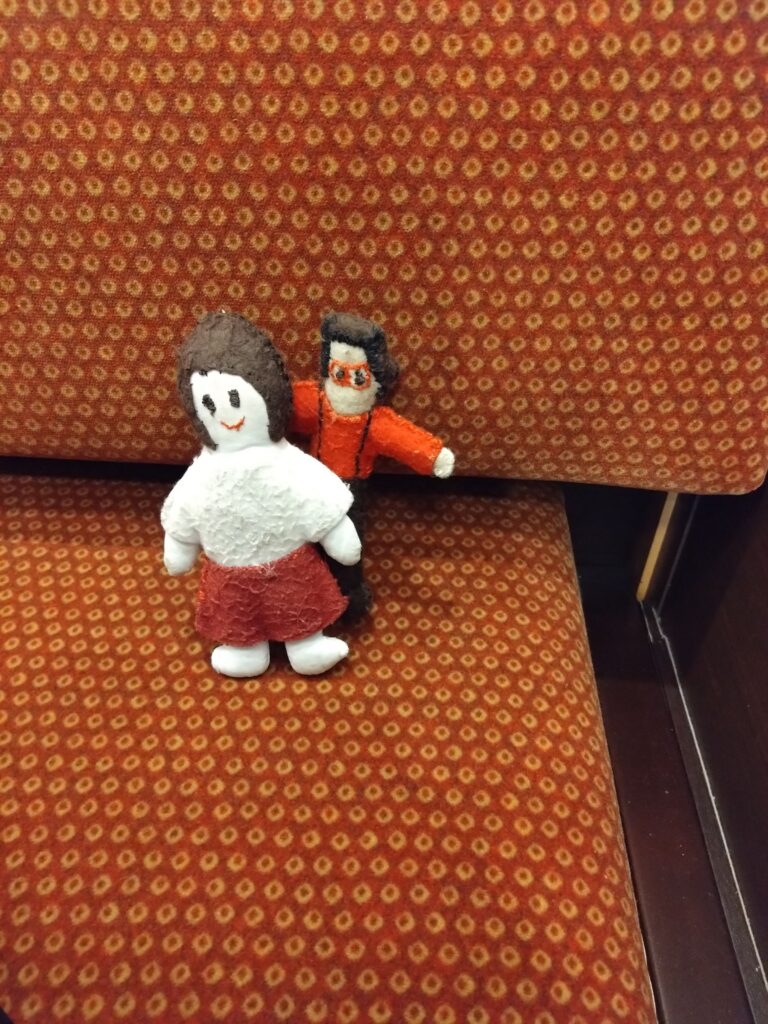
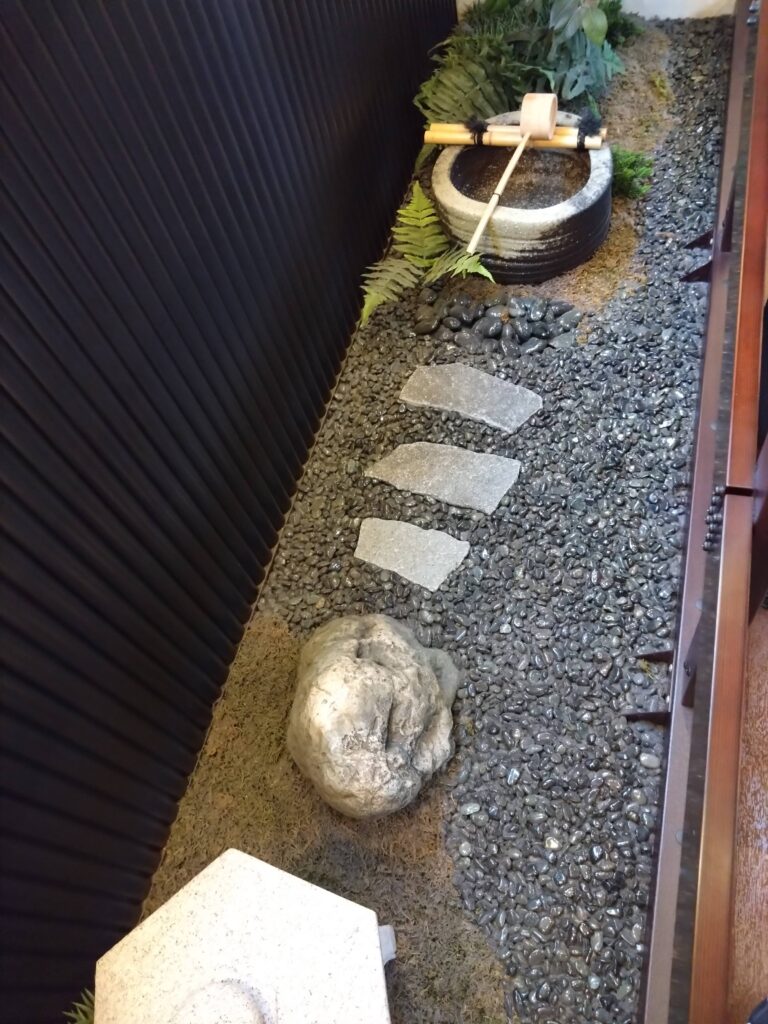
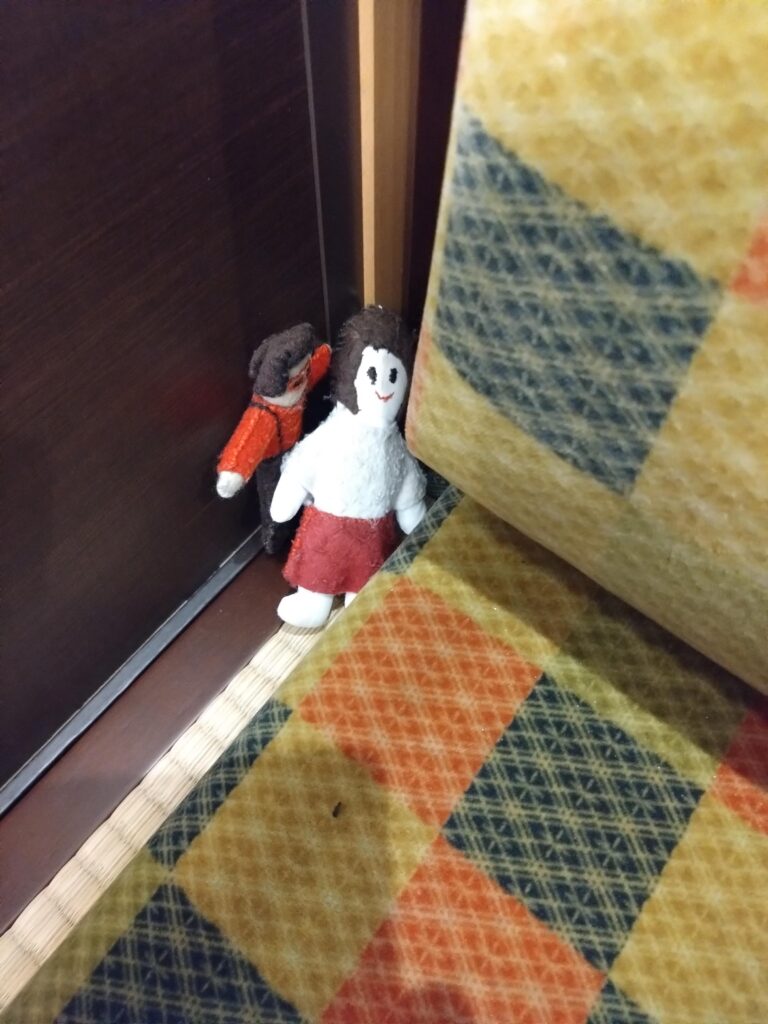
The beautifully Japanese-inspired interior design, with each car evoking a different season of the year, was absolutely stunning. Even our Mascots, usually full of energy, were unusually calm and completely absorbed in the atmosphere (laughs).
About the Kyo-train: A sightseeing train operated by Hankyu Electric Railway, featuring a Japanese-themed interior with seasonal scenery themes in each car. It runs primarily on weekends and public holidays between Osaka-Umeda and Kyoto-Kawaramachi. Check the schedule in advance as it does not run every day!
Suggested Itinerary: Gion Matsuri + Kyo-train Day Trip
| Time | Activity |
|---|---|
| Morning | Arrive in Kyoto, begin side street exploration |
| Morning–Noon | Visit Arare Tenjinyama, Kikusui Hoko, and more |
| Noon | Enjoy Kyoto cuisine for lunch |
| Afternoon | Continue exploring floats and shrines in the side streets |
| Evening | Board the Kyo-train from Hankyu and head back to Osaka |
Summary | Side Street Strolling + Kyo-train = The Perfect Gion Matsuri Experience
| Spot / Train | Highlights |
|---|---|
| Arare Tenjinyama | Fire-prevention blessings, nostalgic memories |
| Kikusui Hoko | Longevity blessings, intimate side-street atmosphere |
| Kyoto side streets | The hidden gem of Gion Matsuri exploration |
| Kyo-train | Japanese-inspired interior, seasonal scenery |
Gion Matsuri is held every July. The Yoiyama evenings and the main float procession are especially crowded, so book your accommodation early if you plan to visit!